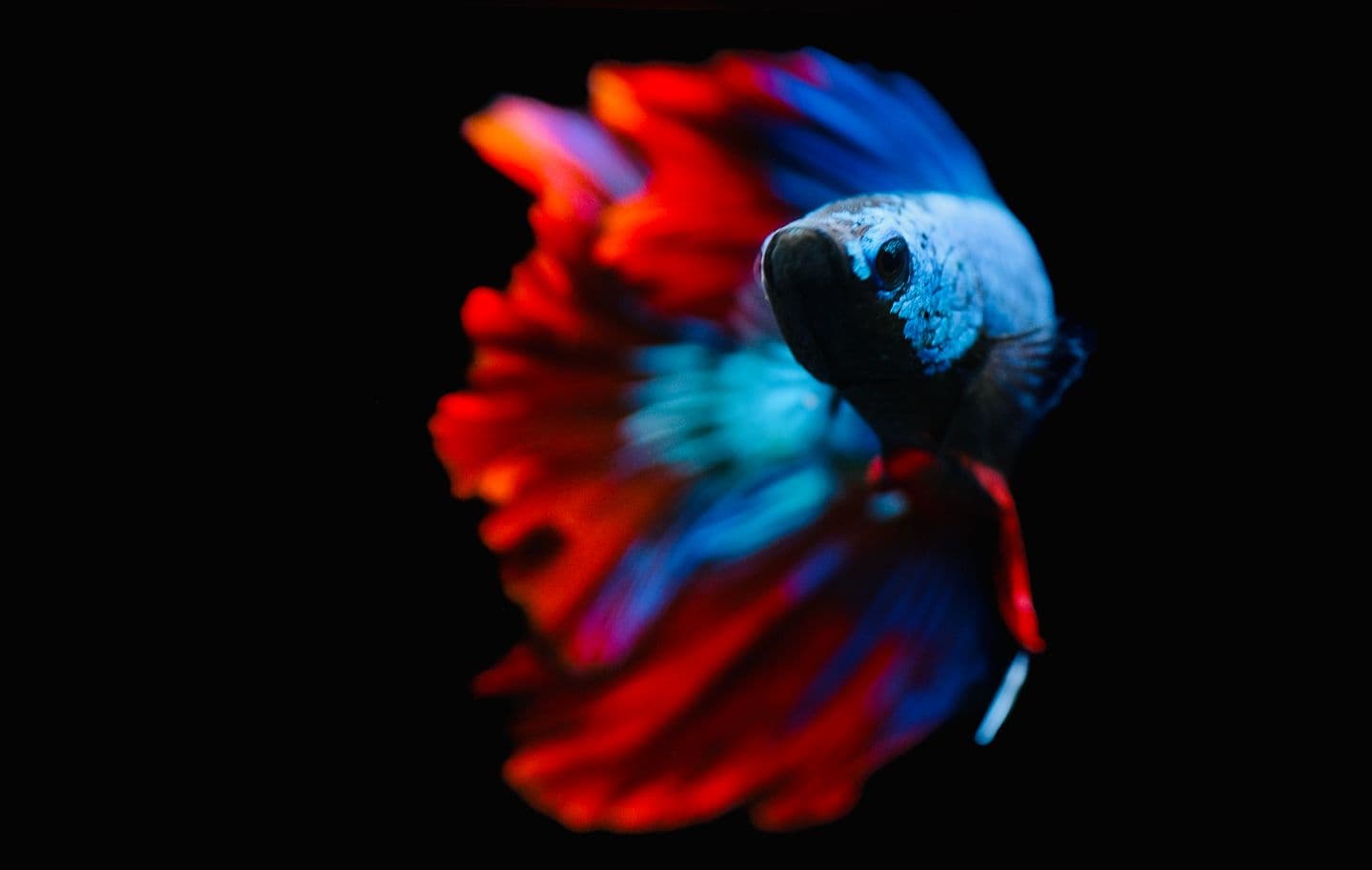
What Is the Best Water Temperature for Betta Fish?
Temperature is one of the simplest things to get right for a betta, and also one of the most consequential. Get it wrong even by a few degrees, sustained over time, and nearly every other part of bett
Temperature is one of the simplest things to get right for a betta, and also one of the most consequential. Get it wrong even by a few degrees, sustained over time, and nearly every other part of betta care becomes harder, appetite drops, digestion slows, and the immune system weakens.
The ideal range
Bettas do best in a stable 24 to 27 degrees Celsius (76 to 80 degrees Fahrenheit), with the tighter sweet spot most experienced keepers aim for sitting around 25.5 to 26.5 degrees Celsius (78 to 80 degrees Fahrenheit). Bettas can survive briefly outside this range, roughly 22 to 30 degrees Celsius at the extremes, but surviving and thriving are different things, and prolonged time outside the ideal range takes a real toll.
Why bettas need it this warm
Bettas originate from the warm, slow-moving waters of Thailand and neighbouring parts of Southeast Asia, and their metabolism, digestion and immune function are all calibrated to that tropical warmth. Cold water slows a betta down in every sense: digestion becomes sluggish, which raises the risk of constipation and swim bladder trouble, and a weakened immune system leaves the fish considerably more vulnerable to fin rot and other opportunistic infections.
Why a heater matters even in a warm Indian climate
It is tempting to assume a heater is unnecessary in most of India given how warm the climate runs for much of the year, but room temperature is not the same as water temperature, and small tanks in particular swing with the room far more than people expect. A 3 to 5 litre unheated tank can drop several degrees within a few hours overnight, especially in an air-conditioned room or during the cooler months in northern India. A properly sized heater with a reliable thermostat, checked regularly with a separate thermometer rather than trusted blindly, removes this risk entirely.
Cooling an overheated tank
Too-warm water is less common in a heated setup but does happen, particularly during peak summer in un-air-conditioned rooms. A small fan angled across the water's surface lowers temperature gradually through evaporative cooling; floating a sealed bag of cool, dechlorinated water in the tank works as a faster emergency measure. Never add ice directly to the water, since the sudden localised cold shock can harm the fish more than the elevated temperature itself.
Change temperature slowly, always
Whether warming a too-cold tank or cooling an overheated one, adjust gradually, roughly one degree every couple of hours rather than in one large step. A sudden shift, even toward the ideal range, is itself a stressor, and slow, steady change gives the fish's system time to adjust without added shock.
The scissortail rasbora, Rasbora trilineata, gets its name from the black-and-white banded tail fin, which opens and closes in a scissoring motion as the fish swims, a genuinely visible behaviour rath
Flushing a fish, whether dead or simply unwanted, down the toilet is a habit many Indian households have inherited without questioning it, and it carries real risks that are worth understanding.
A cover might seem like an afterthought compared to filtration or lighting, but for a saltwater tank it does real, unglamorous work: cutting evaporation, which matters a great deal given how salinity