What to Do If Your Reef Tank Hermit Crab Loses a Leg
Hermit crabs, whether blue leg, scarlet reef or electric blue varieties, are reef tank staples valued for their clean-up work, and losing a leg is one of the more alarming things a keeper can see happ
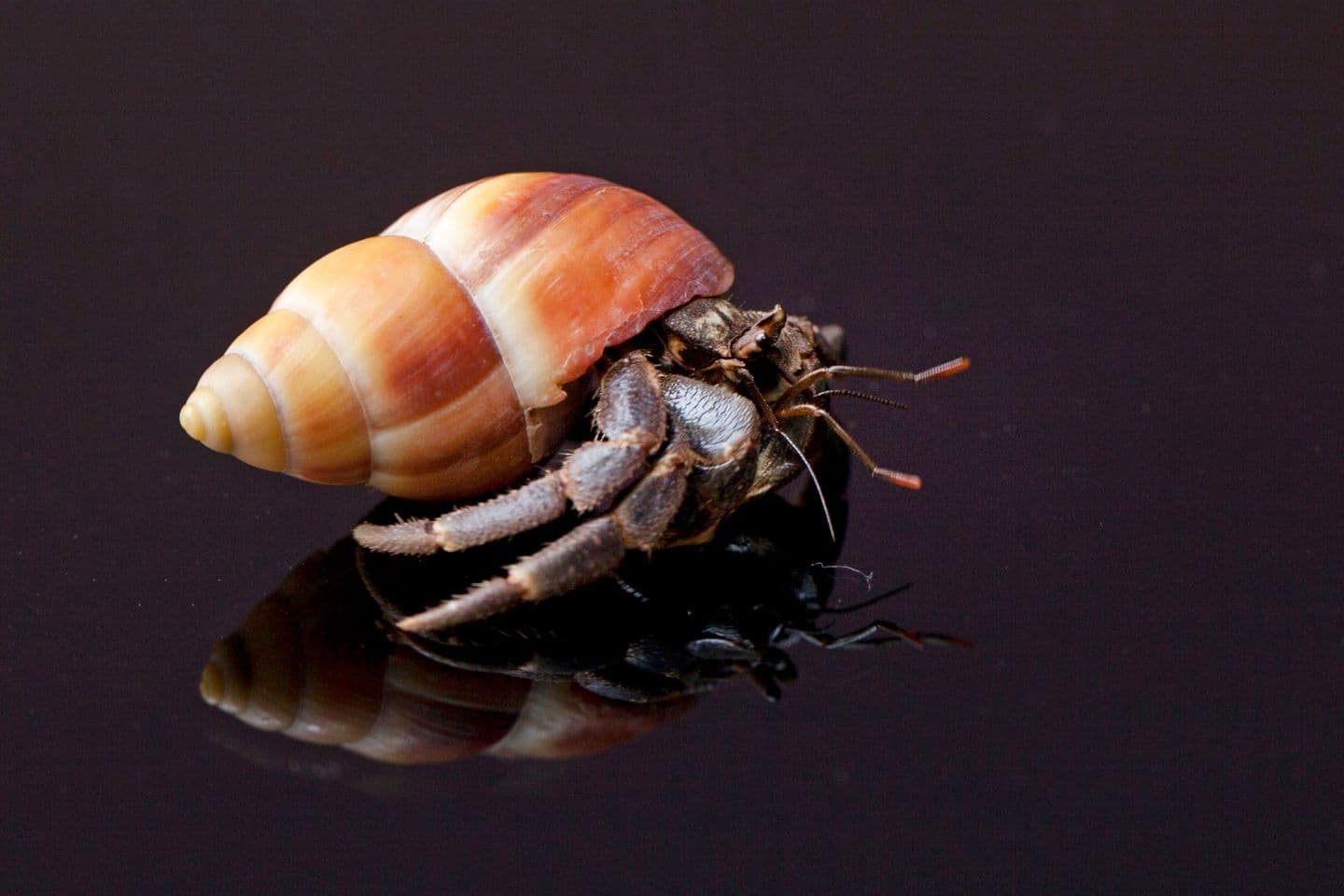
Hermit crabs, whether blue leg, scarlet reef or electric blue varieties, are reef tank staples valued for their clean-up work, and losing a leg is one of the more alarming things a keeper can see happen to one. The good news is that, in most cases, it's far less dire than it looks.
Why crabs lose legs in the first place
Autotomy, a deliberate self-release of a damaged or trapped limb at a natural breakage point, done by the crab itself to avoid a worse injury or infection spreading
A failed or difficult moult, where the old exoskeleton doesn't separate cleanly
Aggression or competition with other hermit crabs, often over a preferred shell
Physical injury, getting a limb pinched in rockwork, powerheads or overflow boxes
What to do right away
Leave the crab alone as much as possible; handling adds stress right when it can least afford it
Check water parameters, since poor water quality is a common underlying stressor behind moult failures and aggression alike
Make sure there are enough appropriately sized empty shells available, since shell competition is a frequent, easily fixed cause of fights
Watch for continued aggression from other hermit crabs and consider separating the affected crab if it's being targeted
Regeneration
Like most crustaceans, hermit crabs regenerate lost limbs through their moult cycle rather than all at once. A missing leg reappears as a small bud after the next moult and gradually reaches full size over several successive moults, a process that can take weeks to months depending on the crab's size and how much was lost. A single missing leg rarely stops a crab from getting around and feeding normally in the meantime.
When it's more serious
A crab losing multiple legs at once, or legs falling off outside of an observed moult, points to something more systemic, usually poor water quality or repeated aggression, and is worth investigating rather than assuming it will resolve on its own. A crab that has lost the ability to move, feed or retreat into its shell needs prompt attention, since that combination genuinely threatens survival in a way that a single lost leg does not.
The scissortail rasbora, Rasbora trilineata, gets its name from the black-and-white banded tail fin, which opens and closes in a scissoring motion as the fish swims, a genuinely visible behaviour rath
Flushing a fish, whether dead or simply unwanted, down the toilet is a habit many Indian households have inherited without questioning it, and it carries real risks that are worth understanding.
A cover might seem like an afterthought compared to filtration or lighting, but for a saltwater tank it does real, unglamorous work: cutting evaporation, which matters a great deal given how salinity