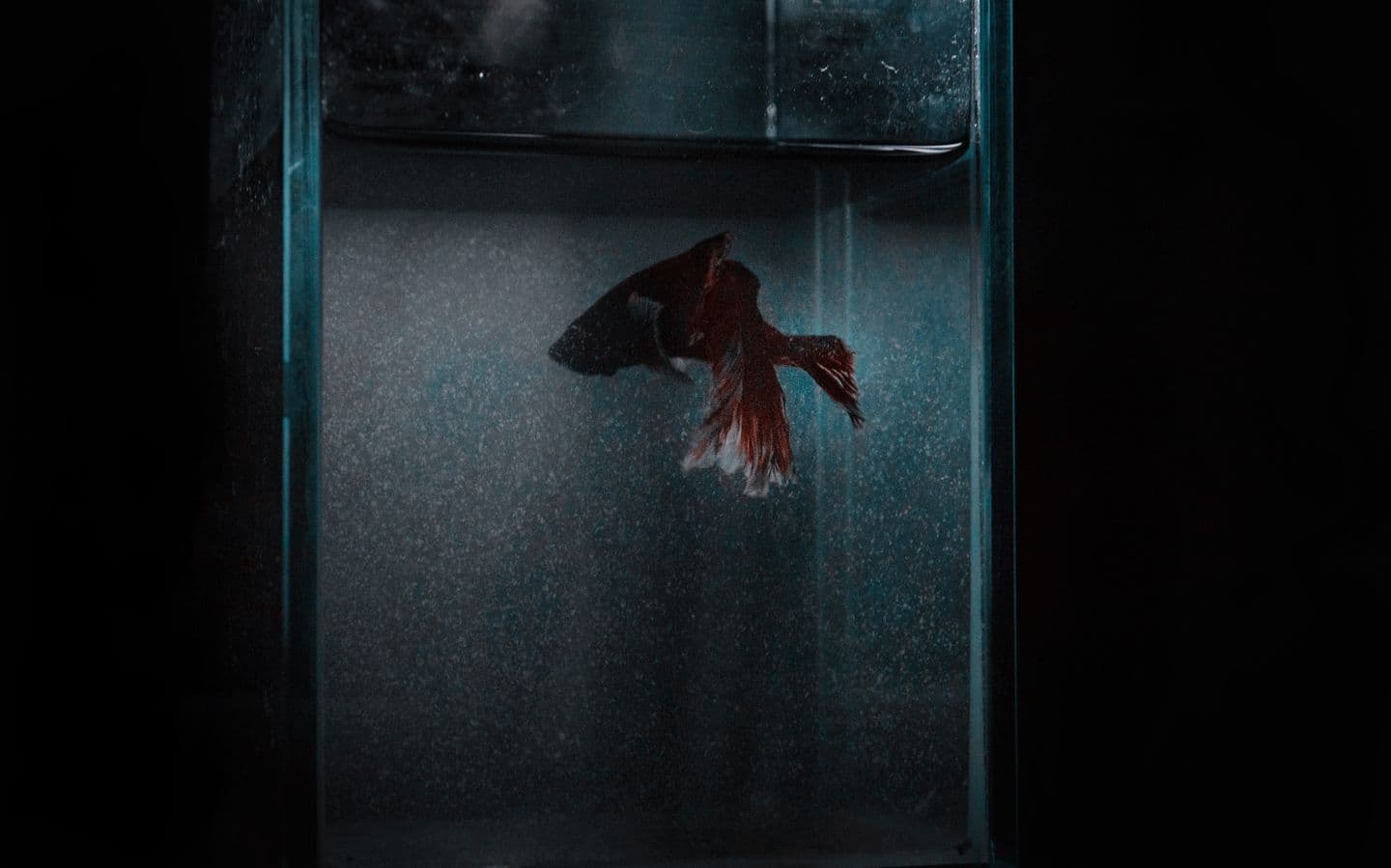
A betta refusing food is alarming, but it is also one of the more common questions new keepers ask, and the good news is that most cases have a clear, fixable cause. Understanding roughly how long a h
A betta refusing food is alarming, but it is also one of the more common questions new keepers ask, and the good news is that most cases have a clear, fixable cause. Understanding roughly how long a healthy betta can safely go without food takes the edge off the panic while you work through the possibilities.
How much time you actually have
A healthy adult betta can comfortably go without food for around a week to ten days with no lasting harm, and some sources put the safe window closer to two weeks. This does not mean ignoring the problem, but it does mean there is time to investigate calmly rather than needing to force feed or panic after a single skipped meal.
The most common causes, roughly in order of likelihood
A new environment: a betta recently moved to a new tank or even a rearranged one often refuses food for the first few days while adjusting, and usually resumes eating on its own within a week
Water temperature too low: bettas are tropical fish and their digestion slows significantly below about 24 degrees Celsius; an unheated tank in a cooler Indian winter, particularly in northern regions, is a common culprit
Poor water quality: elevated ammonia or nitrite makes fish generally unwell and suppresses appetite as one of the first visible signs
Overfeeding leading to constipation: paradoxically, a betta that has been overfed can refuse food while dealing with a bloated, blocked digestive system
Stale or unappealing food: dry pellets left open too long lose their smell and appeal; betta food is also worth replacing every few months rather than kept indefinitely
Stress from tankmates, bright lighting, or a lack of hiding spots
Illness, most often signalled by additional symptoms such as clamped fins, colour loss, or unusual swimming alongside the lack of appetite; internal parasites are a specific possibility worth considering if the fish looks thin despite normal-looking meals before it stopped eating
Working through it methodically
Check water temperature first, since it is the quickest thing to rule out; bettas need a stable 24 to 28 degrees Celsius
Test water parameters and do a partial water change if ammonia or nitrite are elevated
If the fish seems bloated, skip feeding for 24 to 48 hours rather than continuing to offer food
Offer a small amount of fresh, high quality food, or a live or frozen treat such as bloodworms, which often tempts a reluctant betta even when it is ignoring dry pellets
Reduce stress: check for aggressive tankmates, add more plants or hiding spots, and keep lighting on a consistent, not overly bright, schedule
When to worry more actively
If a betta has refused food for more than a week, or shows other symptoms alongside the loss of appetite, clamped fins, colour loss, laboured breathing, or unusual lethargy, it is worth treating this as a genuine health concern rather than a passing phase, and addressing the most likely underlying illness directly rather than continuing to simply wait it out.
The scissortail rasbora, Rasbora trilineata, gets its name from the black-and-white banded tail fin, which opens and closes in a scissoring motion as the fish swims, a genuinely visible behaviour rath
Flushing a fish, whether dead or simply unwanted, down the toilet is a habit many Indian households have inherited without questioning it, and it carries real risks that are worth understanding.
A cover might seem like an afterthought compared to filtration or lighting, but for a saltwater tank it does real, unglamorous work: cutting evaporation, which matters a great deal given how salinity