Anthias: Colour in Motion, and a Feeding Commitment to Match
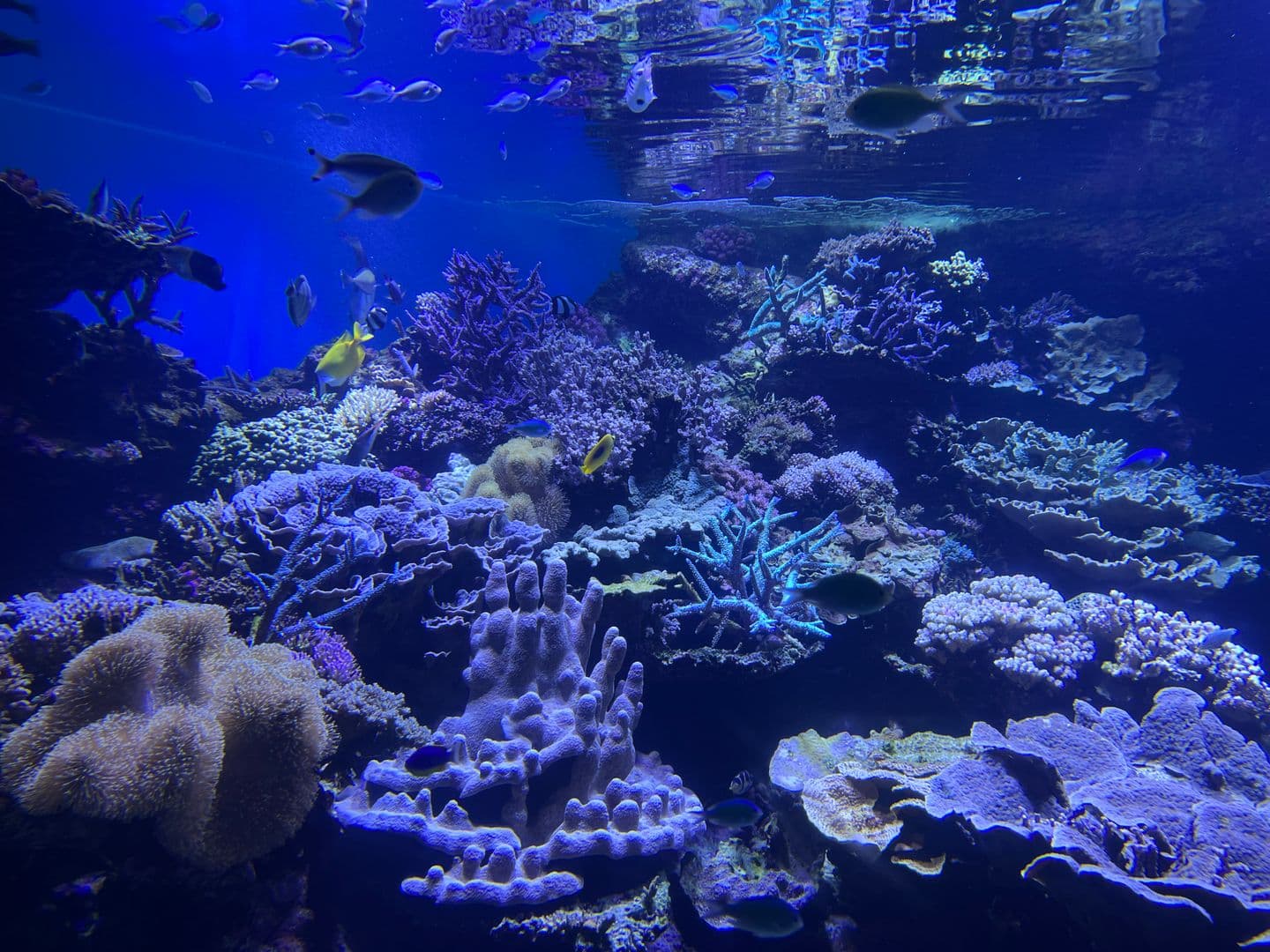
Anthias are the fish most likely to make a reef tank look like a living reef. They swim in loose, constantly moving groups in the upper water column, flashing colour as they go, and a well-stocked ant
Anthias are the fish most likely to make a reef tank look like a living reef. They swim in loose, constantly moving groups in the upper water column, flashing colour as they go, and a well-stocked anthias harem is one of the most striking sights in the marine hobby. The trade-off is feeding. Anthias have a fast metabolism and need several small meals a day, which rules them out for anyone who cannot commit to that routine, whether personally or through a reliable auto-feeder.
Both species below are protogynous hermaphrodites, meaning every individual starts life as a female, and the largest, most dominant fish in a group will change into a male if none is present. This is worth understanding before buying, since it shapes how a group should be stocked.
Lyretail Anthias
The Lyretail Anthias (Pseudanthias squamipinnis), sometimes called the Sea Goldie, is the most widely available anthias species and a good starting point for the genus. Its orange-pink body and flowing fins are unmistakable, and males develop an even richer colour with a distinctive elongated third dorsal spine.
Care essentials
Tank size: A single fish can be kept in around 265 litres. A proper harem of one male with four to eight females needs a considerably larger system, generally 570 to 680 litres or more depending on group size, to avoid overcrowding and stress.
Adult size: Around 12 cm for males, slightly smaller for females.
Diet: A committed planktivore that needs small, meaty foods offered two to three times daily at minimum, ideally more. Mysis shrimp, enriched brine shrimp, and copepods all work well. Underfeeding is the single most common reason this species fails in home aquaria.
Temperament: Peaceful towards other fish but capable of squabbling within its own group, particularly around the dominant male. Keeping an all-female or a properly proportioned harem group reduces this friction.
Setup note: A mature tank with established rockwork and, ideally, a refugium producing live copepods gives this species a much better long-term outlook than a newly cycled system.
Bartlett's Anthias
Bartlett's Anthias (Pseudanthias bartlettorum) is smaller and, in most respects, an easier introduction to the genus than the Lyretail. Its soft pink-and-gold colouring and calmer group dynamics make it a popular choice for hobbyists who want an anthias harem without quite as much daily fuss.
Care essentials
Tank size: A small harem does well from around 280 litres upward.
Adult size: About 9 cm for males, a little smaller for females.
Diet: Still a frequent feeder needing three or more small meals daily, but generally accepts frozen mysis, enriched brine shrimp, and quality pellets more readily than the Lyretail, which makes day-to-day feeding less of a struggle.
Temperament: Less prone to bullying within the group than the Lyretail, so subordinate females are less likely to be harassed into hiding permanently.
Group structure: Keep as a harem of one male with three to five females for the most stable social dynamic.
For Indian hobbyists weighing up the two, Bartlett's Anthias is the more forgiving choice for a first attempt at the genus, while the Lyretail remains the classic, more widely stocked option in Indian marine fish stores.
The scissortail rasbora, Rasbora trilineata, gets its name from the black-and-white banded tail fin, which opens and closes in a scissoring motion as the fish swims, a genuinely visible behaviour rath
Flushing a fish, whether dead or simply unwanted, down the toilet is a habit many Indian households have inherited without questioning it, and it carries real risks that are worth understanding.
A cover might seem like an afterthought compared to filtration or lighting, but for a saltwater tank it does real, unglamorous work: cutting evaporation, which matters a great deal given how salinity