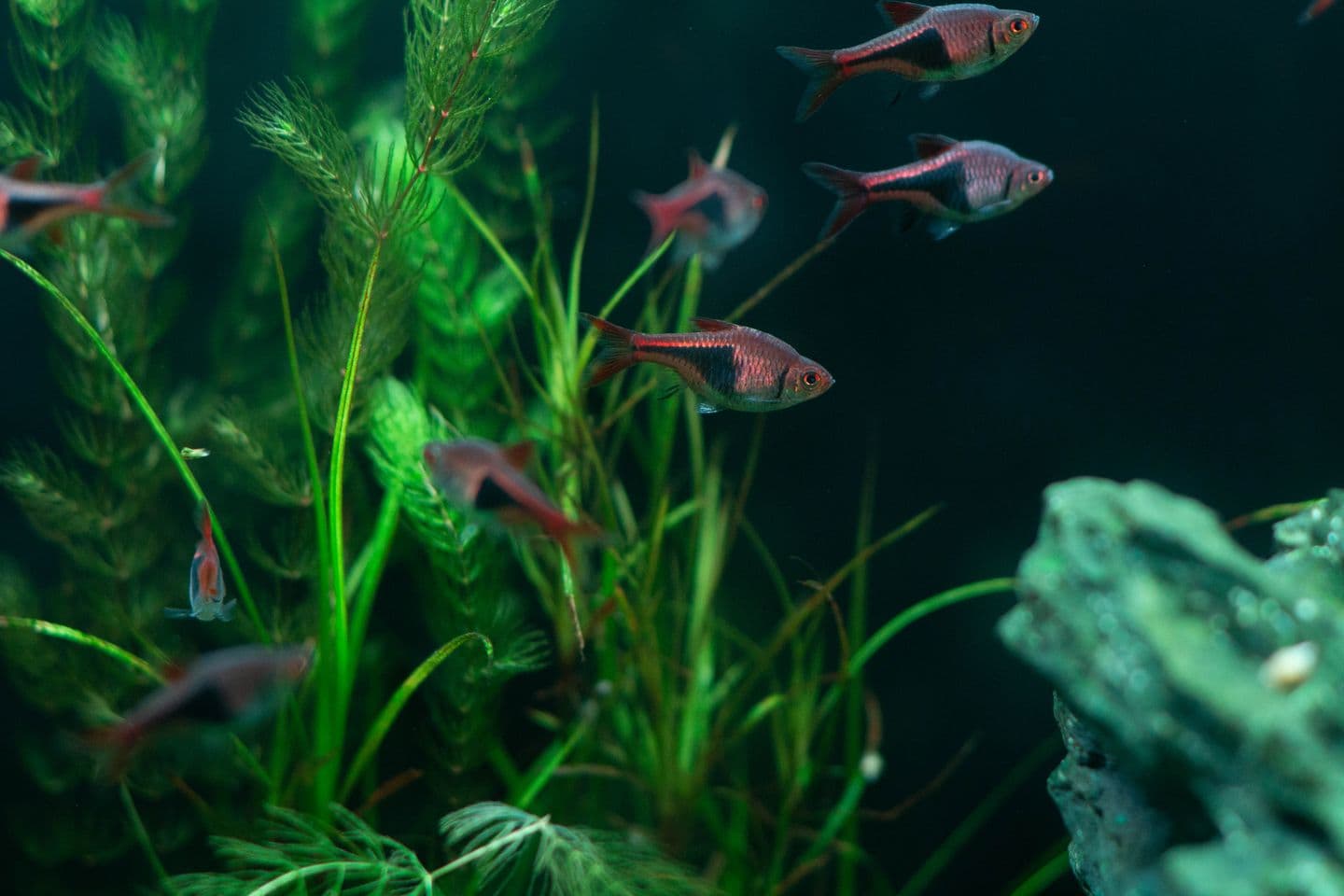
Newly hatched fry have very different feeding needs from adult fish, and getting this stage wrong is one of the most common reasons a promising batch of babies does not survive its first few weeks.
Newly hatched fry have very different feeding needs from adult fish, and getting this stage wrong is one of the most common reasons a promising batch of babies does not survive its first few weeks.
The first few days
Many fry are born or hatch with a yolk sac still attached, providing initial nutrition for the first day or two without needing external food at all. Feeding too early, before the yolk sac is absorbed, generally does more harm than good by fouling the water rather than feeding fish that are not yet ready to eat externally.
First foods once feeding begins
Infusoria, a mix of microscopic organisms cultured in a jar of aged tank water with a small amount of decaying vegetable matter, ideal for extremely tiny fry mouths
Freshly hatched baby brine shrimp, a classic and widely used first food once fry are large enough to take it, rich in the nutrition needed for rapid early growth
Powdered or liquid fry-specific commercial foods, a convenient option widely available in Indian aquarium shops and easier to manage than live culturing for a beginner
Crushed flake food, for slightly larger fry, ground between fingers into a fine powder small enough for their mouths
Feeding frequency for fry
Fry generally need considerably more frequent feeding than adult fish, often three to five small meals a day rather than one or two, since their tiny stomachs cannot hold much at once and their rapid growth demands a steady nutrient supply.
Water quality with fry in the tank
Small, frequent feedings mean more opportunity for uneaten food to foul the water, and fry are considerably more sensitive to poor water quality than adult fish. Smaller, more frequent partial water changes, done gently to avoid pulling in fry through a siphon, matter more during this stage than at almost any other point in a fish's life.
Moving fry onto adult food
As fry grow, gradually introduce slightly larger food particles rather than switching abruptly, watching that each new size is genuinely being eaten rather than sinking uneaten, which signals the size increase happened too soon.
The scissortail rasbora, Rasbora trilineata, gets its name from the black-and-white banded tail fin, which opens and closes in a scissoring motion as the fish swims, a genuinely visible behaviour rath
Flushing a fish, whether dead or simply unwanted, down the toilet is a habit many Indian households have inherited without questioning it, and it carries real risks that are worth understanding.
A cover might seem like an afterthought compared to filtration or lighting, but for a saltwater tank it does real, unglamorous work: cutting evaporation, which matters a great deal given how salinity