Goldfish are omnivores with a genuine appetite for both plant and animal matter, and getting their diet right does more for their long term health than almost any other single factor, colour, growth,
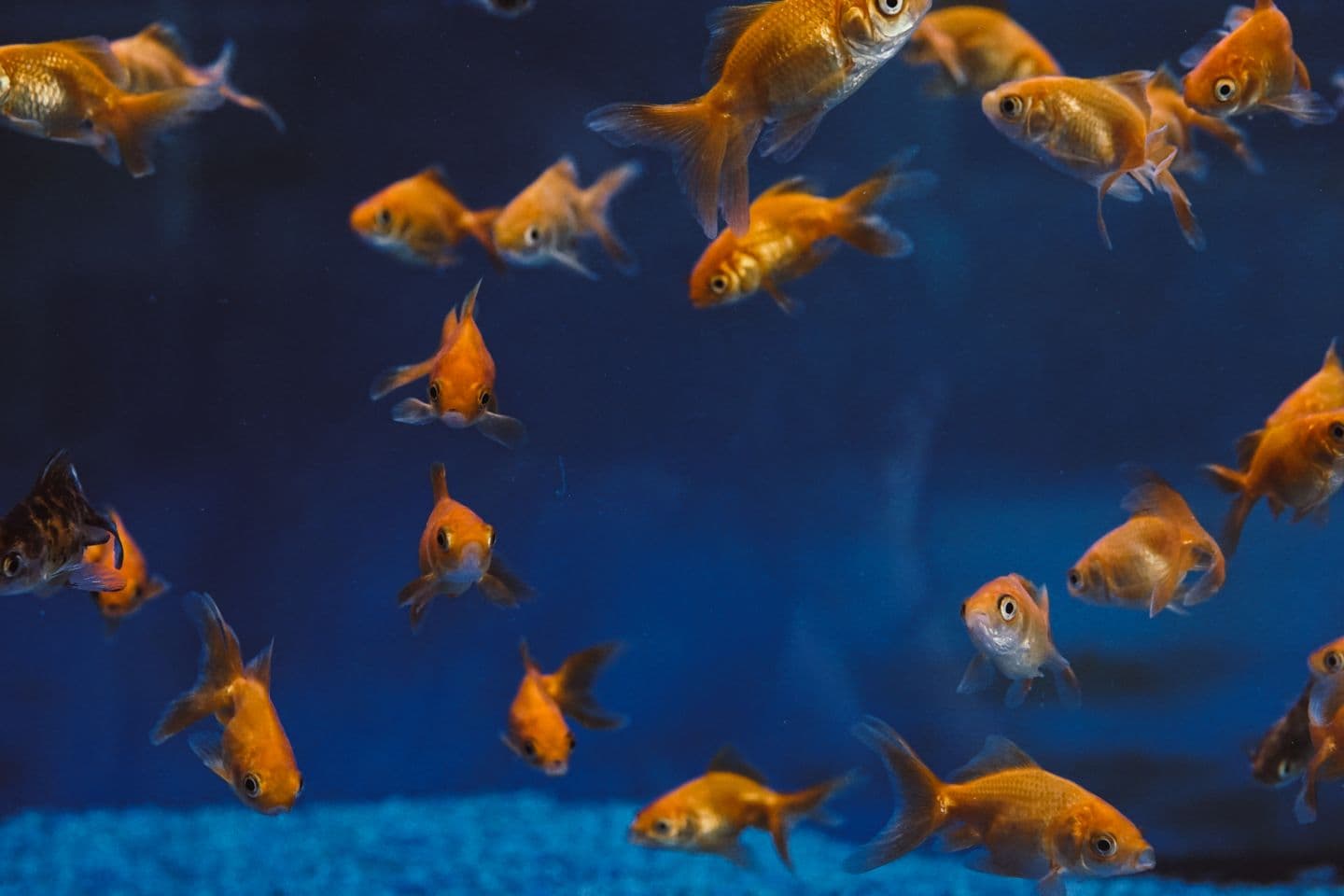
Goldfish are omnivores with a genuine appetite for both plant and animal matter, and getting their diet right does more for their long term health than almost any other single factor, colour, growth, and resistance to disease all trace back to what goes into the tank at feeding time.
The foundation: a proper goldfish pellet or flake
A high quality goldfish specific pellet or flake, where a protein source appears as the first or second ingredient rather than filler grains, should form the bulk of the diet. Goldfish specific formulas are worth choosing over generic tropical fish food, since goldfish have a slightly different digestive system suited to a higher fibre intake.
Vegetables matter more for goldfish than for most other fish
Blanched peas, deshelled and mashed slightly, are an excellent regular addition and genuinely help prevent swim bladder trouble caused by constipation
Blanched spinach, courgette or cucumber slices, weighted down or clipped to sink, are readily eaten
Duckweed or other soft aquatic plants, if available, give a more natural foraging option
Vegetables should make up a noticeably larger share of a goldfish's diet than they would for most tropical community fish.
Protein treats, used sparingly
Bloodworms, brine shrimp and daphnia, offered live, frozen or freeze dried, as an occasional treat rather than a daily staple
Small amounts of chopped shrimp, which many fancy goldfish varieties particularly enjoy
Feeding amount and frequency
Feed only what the fish can finish within about two minutes, once or twice a day, and remove any uneaten food promptly. Overfeeding is the single most common goldfish keeping mistake in Indian homes, and it does double damage: it fouls the water with excess waste and rotting food, and dry food that expands after being swallowed is a leading cause of swim bladder trouble in fancy varieties with their compact body shape.
A note on sinking versus floating food
Fancy goldfish in particular do better on a sinking or slow sinking pellet rather than a floating one, since gulping air alongside floating food at the surface is one of the more common triggers for buoyancy problems. Pre-soaking dry pellets in a small amount of tank water for a few minutes before feeding, so they expand outside the fish rather than inside it, is a simple habit that meaningfully reduces this risk.
The scissortail rasbora, Rasbora trilineata, gets its name from the black-and-white banded tail fin, which opens and closes in a scissoring motion as the fish swims, a genuinely visible behaviour rath
Flushing a fish, whether dead or simply unwanted, down the toilet is a habit many Indian households have inherited without questioning it, and it carries real risks that are worth understanding.
A cover might seem like an afterthought compared to filtration or lighting, but for a saltwater tank it does real, unglamorous work: cutting evaporation, which matters a great deal given how salinity