Guinea pigs / Getting Started
Safe Vegetables for Guinea Pigs in India: What Can They Eat?
Fresh vegetables are an important part of a guinea pig's daily diet. They provide essential vitamins, minerals, hydration and dietary variety.
3 min read
Guinea pigs / Behaviour
Hay is not simply an additional food item for guinea pigs. It is the foundation of their diet and one of the most important factors in maintaining digestive and dental health.
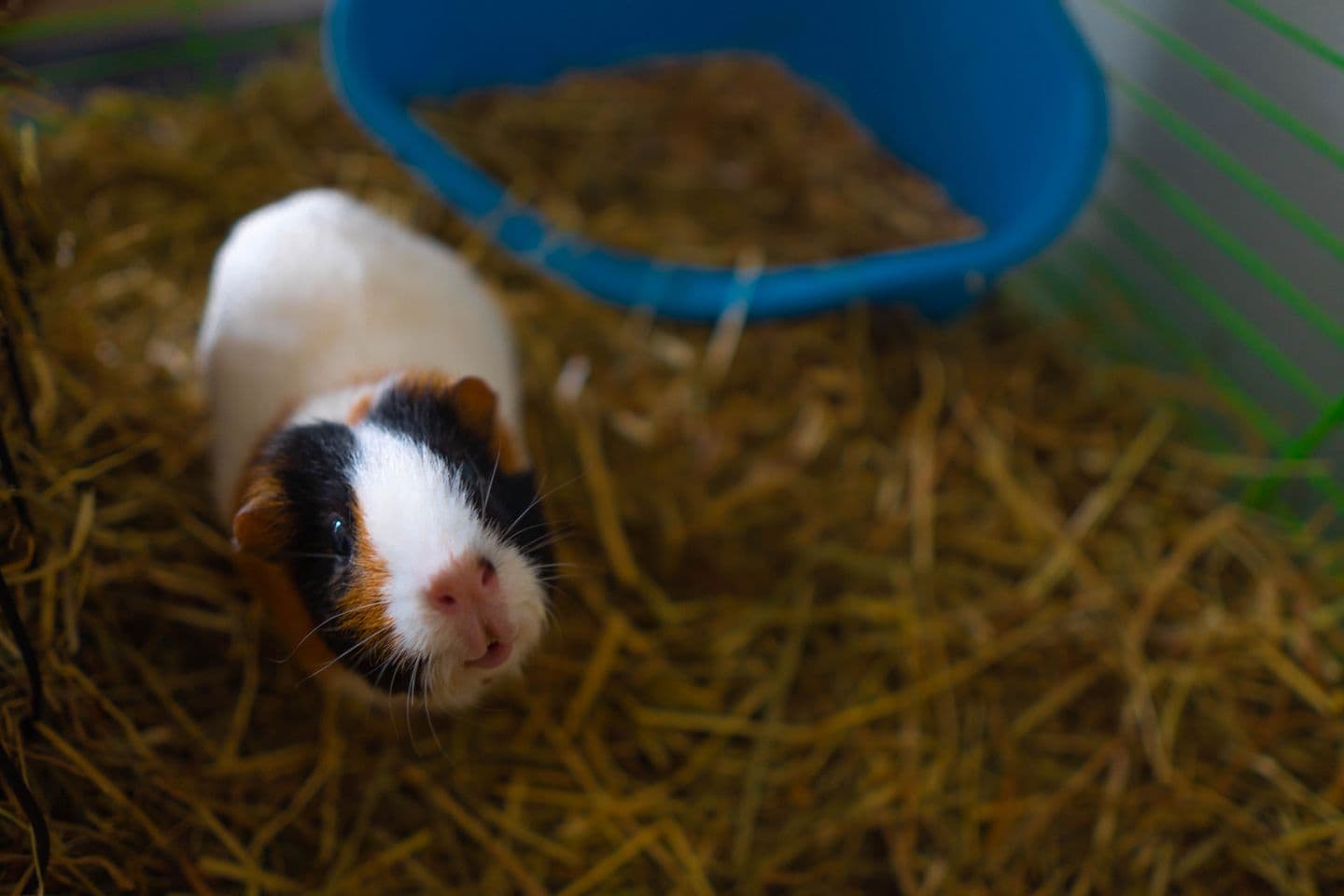
Hay is not simply an additional food item for guinea pigs. It is the foundation of their diet and one of the most important factors in maintaining digestive and dental health.
Guinea pigs are herbivores with digestive systems designed to process large quantities of fibrous plant material. They naturally graze throughout the day, and a constant supply of good-quality hay supports this behaviour.
Why is hay so important?
1. Maintains digestive health
Hay provides the fibre required for normal intestinal movement and healthy gut bacteria. Insufficient fibre can contribute to digestive problems, including gastrointestinal stasis, a potentially life-threatening condition.
2. Supports dental health
Guinea pigs have continuously growing teeth. Chewing fibrous hay involves prolonged grinding movements that help wear down their teeth naturally. Without sufficient hay, dental overgrowth and painful dental disease can develop.
3. Helps maintain a healthy weight
Grass hay is relatively low in calories. It allows guinea pigs to eat frequently without consuming excessive energy, helping prevent obesity.
Different types of hay
Not all hay is nutritionally identical. Choosing the right variety is important.
Timothy hay: One of the most widely recommended choices for adult guinea pigs. It provides fibre and has relatively low calcium content.
Orchard grass hay: Soft, palatable and suitable for adult guinea pigs. It is a useful alternative for animals that dislike Timothy hay.
Meadow hay: A mixture of grasses and other suitable pasture plants. Its nutritional composition varies, but good-quality meadow hay can provide variety.
Rye grass hay: Another suitable grass-hay option for adult guinea pigs, provided it is clean, fresh and free from mould.
Oat hay: Contains edible seed heads and can be offered in moderation as part of a varied diet. It should not automatically replace grass hay as the main everyday food.
Alfalfa hay: Richer in protein, calories and calcium than grass hays. It is generally appropriate for growing guinea pigs and may be included in the diets of pregnant or nursing females under suitable nutritional guidance. It is not recommended as the main hay for healthy adult guinea pigs.
How much hay should guinea pigs eat?
Hay should be available at all times, throughout the day and night. It should form the largest component of their daily food intake, generally around 75–80%.
Fresh hay should be placed in clean feeding areas. Replace damp, dirty or contaminated hay regularly.
Choosing and storing hay in India
Imported Timothy and orchard grass hay are available through specialist pet suppliers in India. Owners should pay attention to quality rather than simply choosing the cheapest product.
Good-quality hay should be:
Store hay in a cool, dry, well-ventilated location. Protect it from moisture and pests.
What happens when guinea pigs do not eat hay?
Reduced hay consumption can be an early indication of dental disease, mouth pain or another illness. Guinea pigs that stop eating require prompt veterinary attention because their digestive systems can deteriorate rapidly.
The takeaway
Pellets and vegetables cannot replace hay. Unlimited, good-quality grass hay is a non-negotiable part of responsible guinea pig care.
References
Article content © S Vejay Anand. All rights reserved.
Guinea pigs / Getting Started
Fresh vegetables are an important part of a guinea pig's daily diet. They provide essential vitamins, minerals, hydration and dietary variety.
3 min read
Guinea pigs / Getting Started
Guinea pigs do not need fruit to stay healthy, hay and fresh vegetables do the heavy lifting, but a small piece of fruit a couple of times a week makes a welcome treat. The trick is knowing which frui
2 min read
Guinea pigs / Behaviour
Unlike most mammals, guinea pigs cannot manufacture their own vitamin C and cannot store it in the body for long. It must come from their diet every single day, and this single fact shapes a great dea
3 min read