
Guinea pigs / Getting Started
Safe Vegetables for Guinea Pigs in India: What Can They Eat?
Fresh vegetables are an important part of a guinea pig's daily diet. They provide essential vitamins, minerals, hydration and dietary variety.
3 min read
Guinea pigs / Getting Started
Bumblefoot, medically known as pododermatitis, is a painful inflammatory condition affecting the footpads of guinea pigs. It can begin as a small area of redness or swelling but may progress into deep
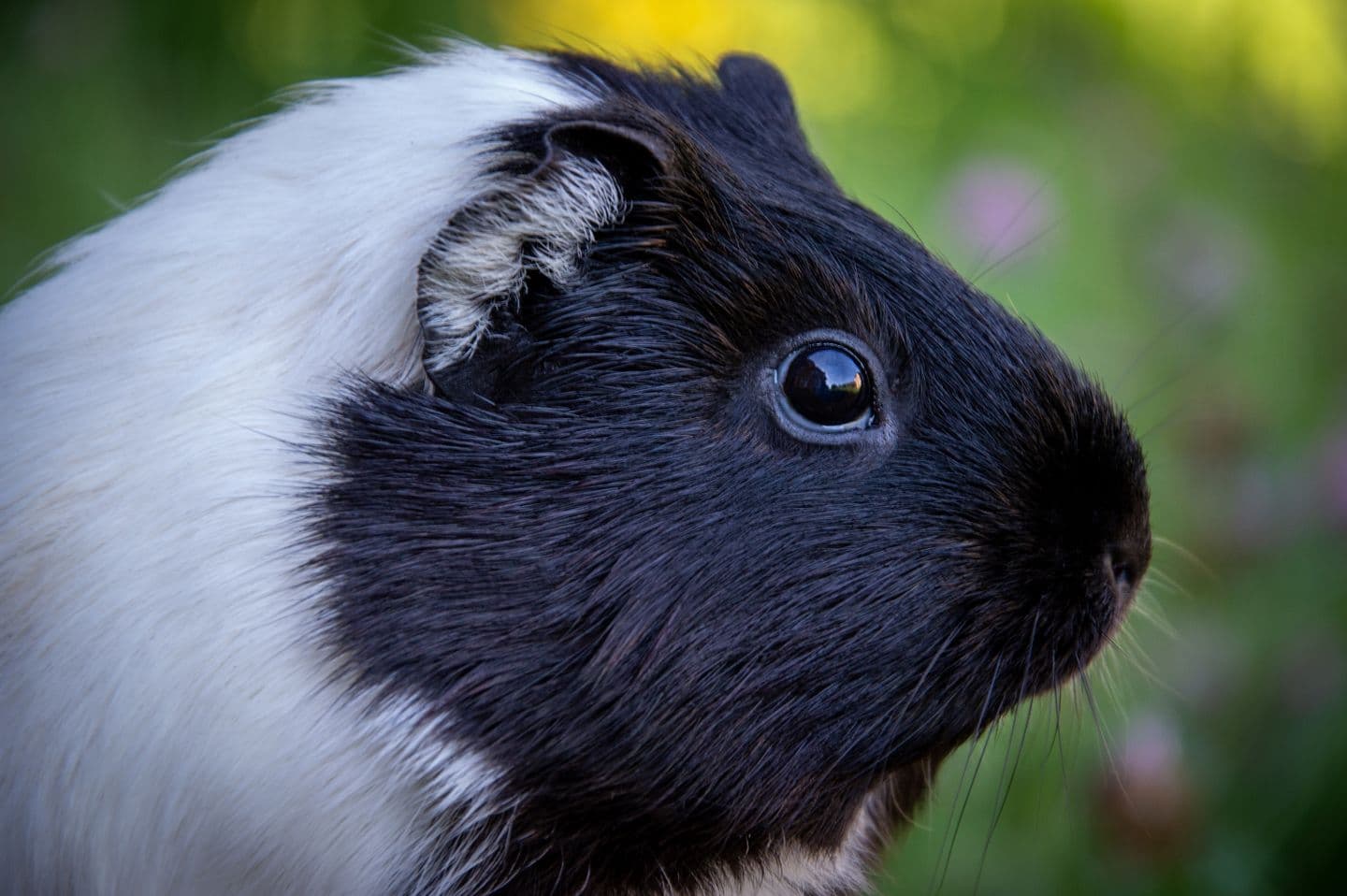
Bumblefoot, medically known as pododermatitis, is a painful inflammatory condition affecting the footpads of guinea pigs. It can begin as a small area of redness or swelling but may progress into deep ulcers and serious bacterial infections.
The condition is particularly associated with unsuitable flooring, poor hygiene and excessive body weight.
What causes bumblefoot?
Guinea pigs spend much of their time walking and resting on their feet. Continuous pressure, friction or injury can damage the skin covering the footpads.
Common contributing factors include:
Bacteria can enter damaged skin and cause infection. In advanced cases, infection may spread into deeper tissues and even affect the underlying bone.
Recognising the symptoms
Early identification is important because mild cases are easier to manage than advanced infections.
Look for:
Some guinea pigs become less active and may spend unusually long periods sitting in one position because walking hurts.
Diagnosis and treatment
A veterinarian will examine the feet and assess the severity of inflammation. X-rays may be necessary if deeper infection or bone involvement is suspected.
Treatment depends on the stage of the condition and may involve:
Do not apply human antiseptic creams, steroid ointments or home remedies without veterinary advice. Avoid attempting to remove scabs or drain swollen areas yourself.
Preventing bumblefoot
Foot care begins with the enclosure.
Choose solid flooring: Use a smooth, solid floor rather than wire mesh. Wire flooring can injure the feet and increase the risk of pododermatitis.
Provide suitable bedding: Use soft, absorbent, non-abrasive and dust-free bedding. Replace wet or soiled material promptly.
Maintain cleanliness: Clean feeding and resting areas regularly. Keep the enclosure dry.
Trim nails: Regular nail maintenance helps maintain comfortable foot positioning.
Manage weight: Obesity increases pressure on the footpads. A hay-based diet, measured pellets and appropriate vegetables help maintain a healthy body weight.
Inspect the feet: Check all four feet regularly, especially the underside, for redness, swelling or sores.
When is it an emergency?
A guinea pig with open ulcers, pus, severe swelling, significant pain or an inability to walk needs prompt veterinary attention. Deep infections can become difficult to treat.
The takeaway
Bumblefoot is often preventable through appropriate solid flooring, good hygiene and weight management. Regular foot inspections can help identify problems before they become painful and serious.
References
Article content © S Vejay Anand. All rights reserved.
Guinea pigs / Getting Started
Fresh vegetables are an important part of a guinea pig's daily diet. They provide essential vitamins, minerals, hydration and dietary variety.
3 min read
Guinea pigs / Getting Started
Guinea pigs do not need fruit to stay healthy, hay and fresh vegetables do the heavy lifting, but a small piece of fruit a couple of times a week makes a welcome treat. The trick is knowing which frui
2 min read
Guinea pigs / Behaviour
Unlike most mammals, guinea pigs cannot manufacture their own vitamin C and cannot store it in the body for long. It must come from their diet every single day, and this single fact shapes a great dea
3 min read