
Guinea pigs / Getting Started
Safe Vegetables for Guinea Pigs in India: What Can They Eat?
Fresh vegetables are an important part of a guinea pig's daily diet. They provide essential vitamins, minerals, hydration and dietary variety.
3 min read
Guinea pigs / Getting Started
Guinea pigs are naturally social animals. In the wild, they live in groups and communicate through vocalisations, body language and scent. Keeping a guinea pig alone for prolonged periods can deprive
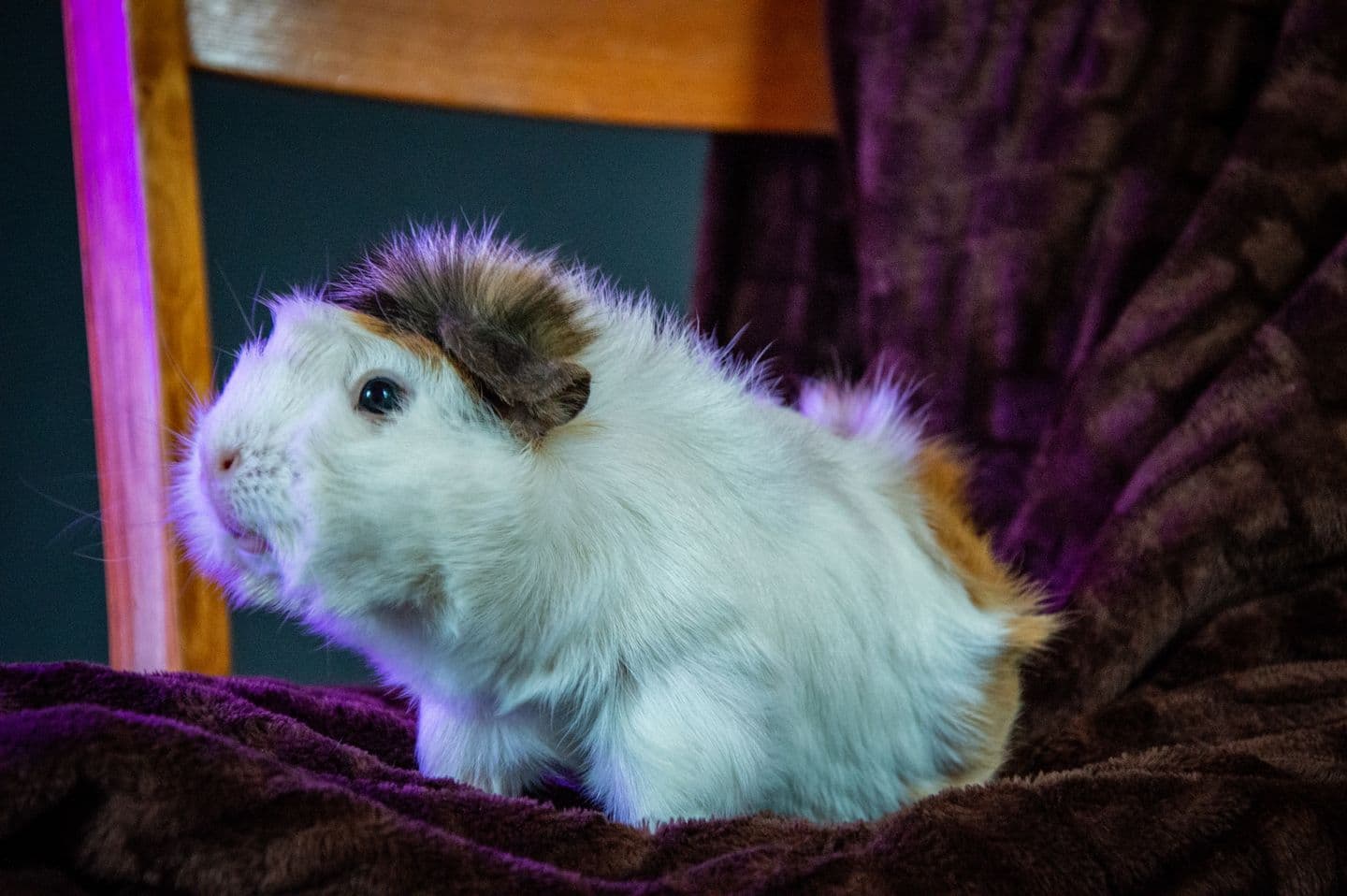
Guinea pigs are naturally social animals. In the wild, they live in groups and communicate through vocalisations, body language and scent. Keeping a guinea pig alone for prolonged periods can deprive it of important social interaction.
Where possible, guinea pigs should have compatible companions. However, introducing two unfamiliar animals requires patience, preparation and an understanding of their behaviour.
Choosing the right companion
The success of a pairing depends on personality, sex, age, previous social experiences and available space.
Common combinations include:
Two females: Often a relatively straightforward pairing. Females can live together successfully, provided they are compatible and have sufficient space.
Two males: Male guinea pigs can form strong bonds, particularly when introduced carefully. They may display more territorial behaviour. Adequate space and duplicate resources are important.
Neutered male and female: This can be a successful combination. The male must have undergone appropriate neutering and completed the veterinarian-recommended post-operative separation period before contact with a female.
Groups: Groups can work well, but introducing multiple animals increases the importance of space, resources and compatibility.
Never assume that two guinea pigs will automatically get along because they are the same sex.
Preparing for the introduction
Before introducing a new guinea pig:
A new animal should never simply be placed inside an established guinea pig's enclosure. The resident animal may consider it an invasion of territory.
How to introduce guinea pigs
Step 1: Begin with separate housing
Keep the animals in separate enclosures where they can hear and smell each other without making physical contact.
Step 2: Arrange a neutral meeting
Introduce them in a large, unfamiliar, secure area. Provide plenty of hay and scattered vegetables to encourage relaxed interaction.
Step 3: Observe their behaviour
Some behaviours are normal during bonding:
These behaviours can be part of establishing a social hierarchy.
Step 4: Watch for aggression
Persistent biting, lunging, serious fighting and injuries are warning signs.
If a fight breaks out, separate the animals using a thick towel or suitable barrier rather than placing bare hands between them.
Step 5: Move them into prepared housing
Once the animals have established a stable relationship, introduce them into a thoroughly cleaned, spacious enclosure with multiple food and water stations.
When should guinea pigs be separated?
Serious aggression, repeated injuries, persistent bullying or one animal preventing the other from eating or drinking requires intervention.
Not every pairing succeeds. Some animals are simply incompatible, and forcing them to live together can cause chronic stress.
The importance of companionship
A compatible companion provides social interaction, shared resting, mutual grooming and opportunities for natural behaviour. However, human attention cannot entirely replace companionship with another guinea pig.
The takeaway
Successful bonding is about compatibility rather than simply putting two animals together. Careful introductions, sufficient space and close observation can help guinea pigs develop lasting social relationships.
References
Article content © S Vejay Anand. All rights reserved.
Guinea pigs / Getting Started
Fresh vegetables are an important part of a guinea pig's daily diet. They provide essential vitamins, minerals, hydration and dietary variety.
3 min read
Guinea pigs / Getting Started
Guinea pigs do not need fruit to stay healthy, hay and fresh vegetables do the heavy lifting, but a small piece of fruit a couple of times a week makes a welcome treat. The trick is knowing which frui
2 min read
Guinea pigs / Behaviour
Unlike most mammals, guinea pigs cannot manufacture their own vitamin C and cannot store it in the body for long. It must come from their diet every single day, and this single fact shapes a great dea
3 min read