
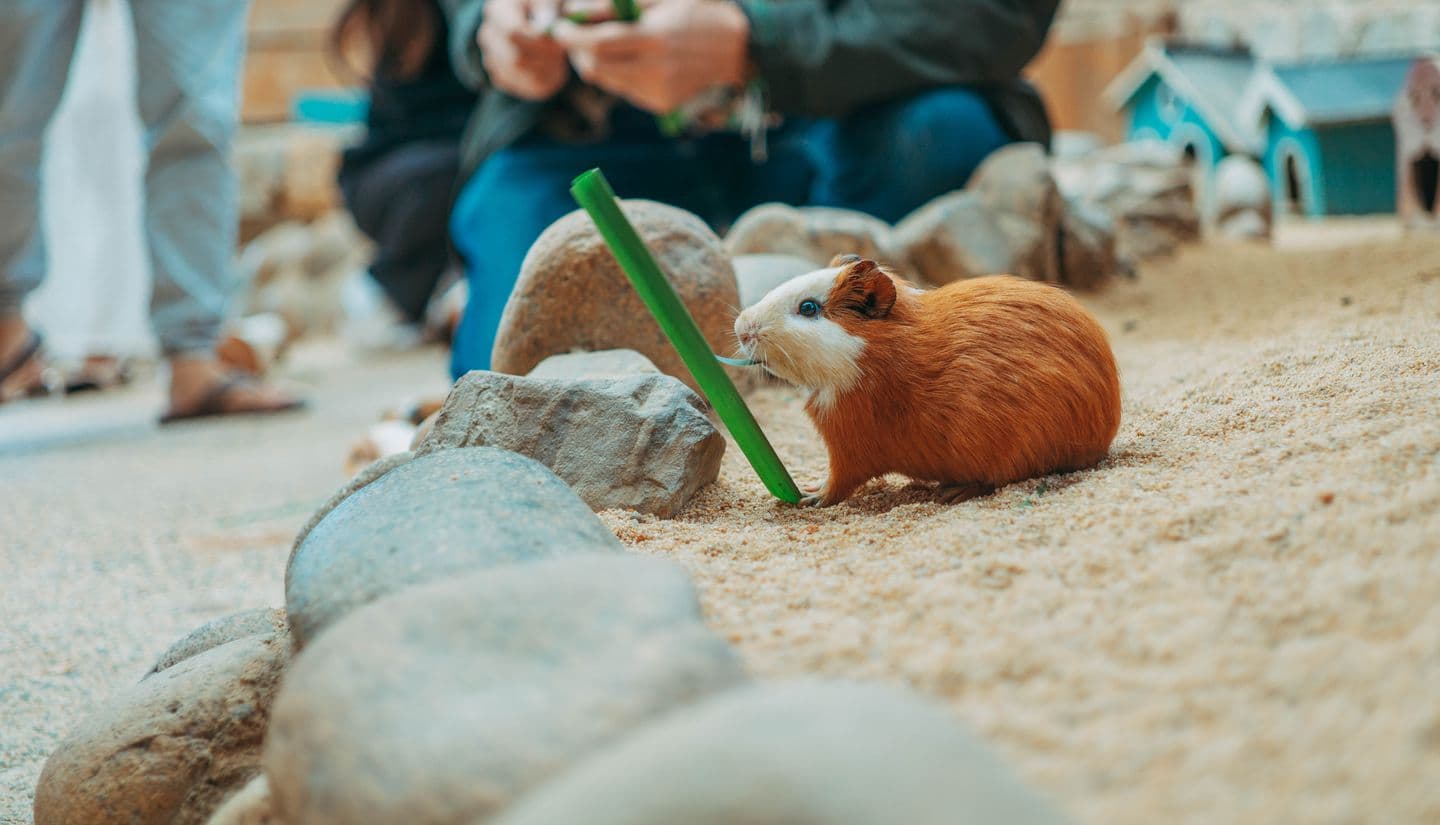
Guinea pigs / Getting Started
Safe Vegetables for Guinea Pigs in India: What Can They Eat?
Fresh vegetables are an important part of a guinea pig's daily diet. They provide essential vitamins, minerals, hydration and dietary variety.
3 min read
Guinea pigs / Health
Guinea pigs reproduce quickly, and an unplanned pregnancy can create serious health and welfare challenges. Although pregnancy may appear straightforward, guinea pigs face several reproductive risks t
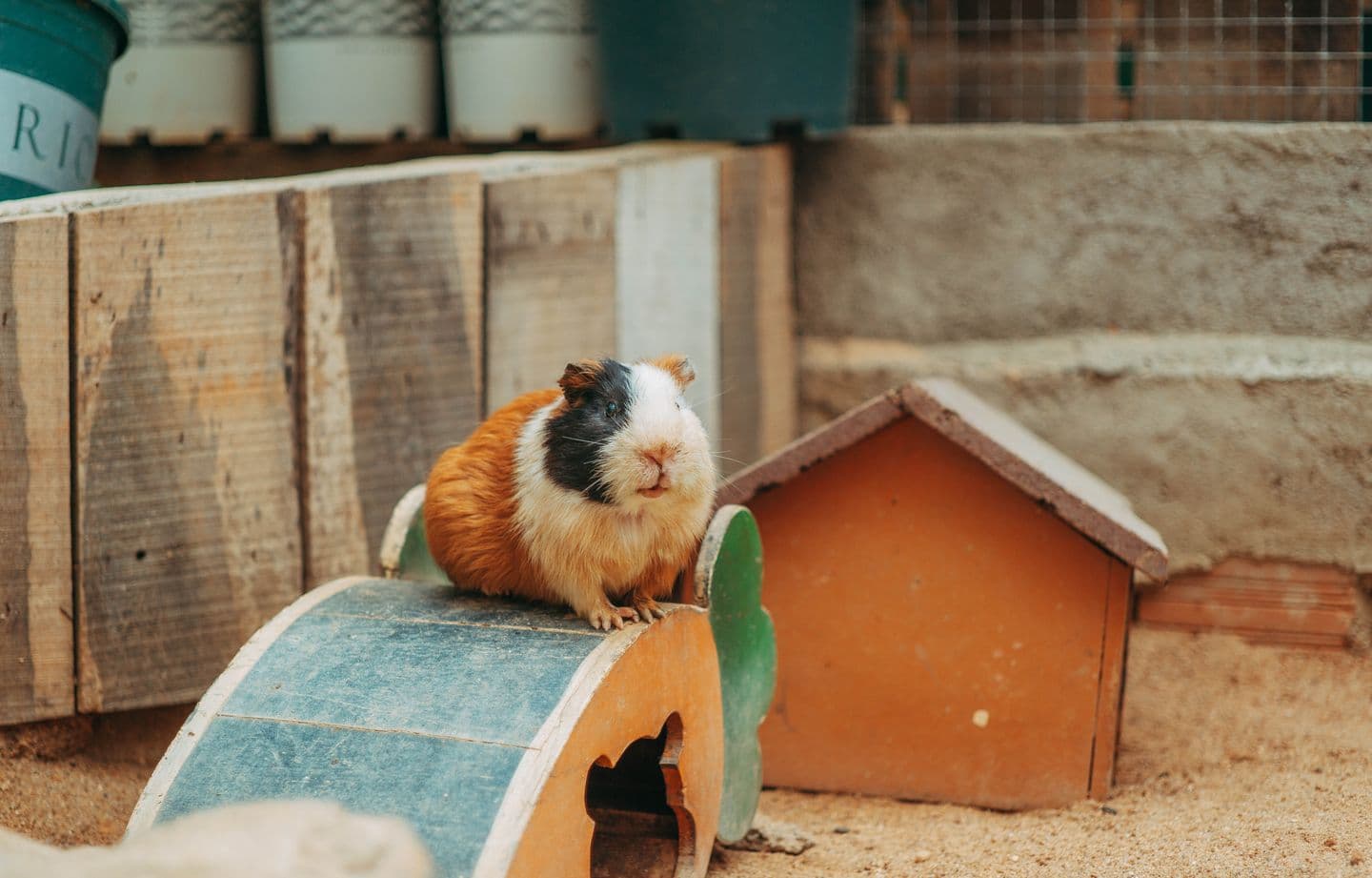
Guinea pigs reproduce quickly, and an unplanned pregnancy can create serious health and welfare challenges. Although pregnancy may appear straightforward, guinea pigs face several reproductive risks that owners should understand before allowing breeding.
For responsible pet owners, preventing unwanted pregnancies is generally safer than attempting to breed guinea pigs.
How can you identify pregnancy?
Pregnancy may not be obvious during the early stages. As it progresses, physical and behavioural changes become more noticeable.
Common signs include:
However, weight gain and abdominal enlargement can also result from obesity, ovarian cysts or other medical conditions.
A veterinarian should confirm pregnancy through appropriate examination and, where necessary, ultrasound imaging.
Never repeatedly press or squeeze the abdomen to feel for babies. This can cause injury.
How long is the pregnancy?
The gestation period in guinea pigs is approximately 59–72 days, with an average of around 63–68 days.
Litters commonly contain two to four pups, although litter sizes vary.
Guinea pig pups are born relatively well developed. They generally have fur, open eyes and the ability to move around shortly after birth. They begin eating solid food early, although they still depend on their mother for nursing.
Why is pregnancy risky?
Pregnancy and childbirth can create significant health complications.
1. Dystocia (difficult labour)
Dystocia occurs when the mother cannot deliver her pups normally.
One important risk factor is stiffening or fusion of the pelvic symphysis, the cartilage joining the pelvic bones. This can make delivery difficult because the pelvis cannot widen sufficiently.
The risk is particularly concerning in females having their first pregnancy after approximately seven months of age. Older first-time mothers may face an increased likelihood of obstructed labour and emergency intervention.
Caesarean sections may be necessary in some cases, but surgery carries significant risks in guinea pigs.
2. Pregnancy toxemia
Pregnancy toxemia is a potentially fatal metabolic disorder, particularly associated with late pregnancy. It can occur when energy requirements exceed the mother's ability to meet them.
Warning signs include reduced appetite, weakness, lethargy, breathing abnormalities and collapse.
Immediate veterinary attention is essential.
3. Nutritional stress
Pregnancy increases nutritional requirements. The mother needs an appropriate supply of energy, protein, calcium and vitamin C.
Poor nutrition can compromise both maternal health and pup development.
4. Complications during nursing
The mother may develop mastitis, inadequate milk production or other post-partum complications. Newborn pups also require monitoring to ensure they are feeding and gaining weight.
Caring for a pregnant guinea pig
Pregnant females should receive veterinary supervision throughout pregnancy.
Important considerations include:
Do not attempt to palpate the abdomen or administer supplements and medicines without veterinary guidance.
Why should owners avoid breeding casually?
Breeding guinea pigs is not a simple exercise in pairing a male and female.
It involves potential complications for the mother, newborn pups and future owners responsible for their care.
Unplanned breeding can also contribute to unwanted litters and animal abandonment. Owners need to consider veterinary expenses, emergency care, housing, appropriate nutrition and the availability of responsible homes.
Preventing unwanted pregnancies
Keep males and females separately housed unless breeding is deliberately planned under appropriate veterinary supervision.
Neutering and spaying may be considered after discussing the risks and benefits with an experienced exotic-pet veterinarian.
Remember that recently neutered males may remain fertile for several weeks after surgery. Follow the veterinarian's instructions on how long to keep them separated from females.
The takeaway
Guinea pig pregnancy carries genuine medical risks, particularly for older first-time mothers and animals with underlying health problems. Responsible ownership means understanding these risks and preventing unplanned breeding rather than treating pregnancy as an ordinary or harmless event.
References
Article content © S Vejay Anand. All rights reserved.
Guinea pigs / Getting Started
Fresh vegetables are an important part of a guinea pig's daily diet. They provide essential vitamins, minerals, hydration and dietary variety.
3 min read
Guinea pigs / Getting Started
Guinea pigs do not need fruit to stay healthy, hay and fresh vegetables do the heavy lifting, but a small piece of fruit a couple of times a week makes a welcome treat. The trick is knowing which frui
2 min read
Guinea pigs / Behaviour
Unlike most mammals, guinea pigs cannot manufacture their own vitamin C and cannot store it in the body for long. It must come from their diet every single day, and this single fact shapes a great dea
3 min read