
Guinea pigs / Getting Started
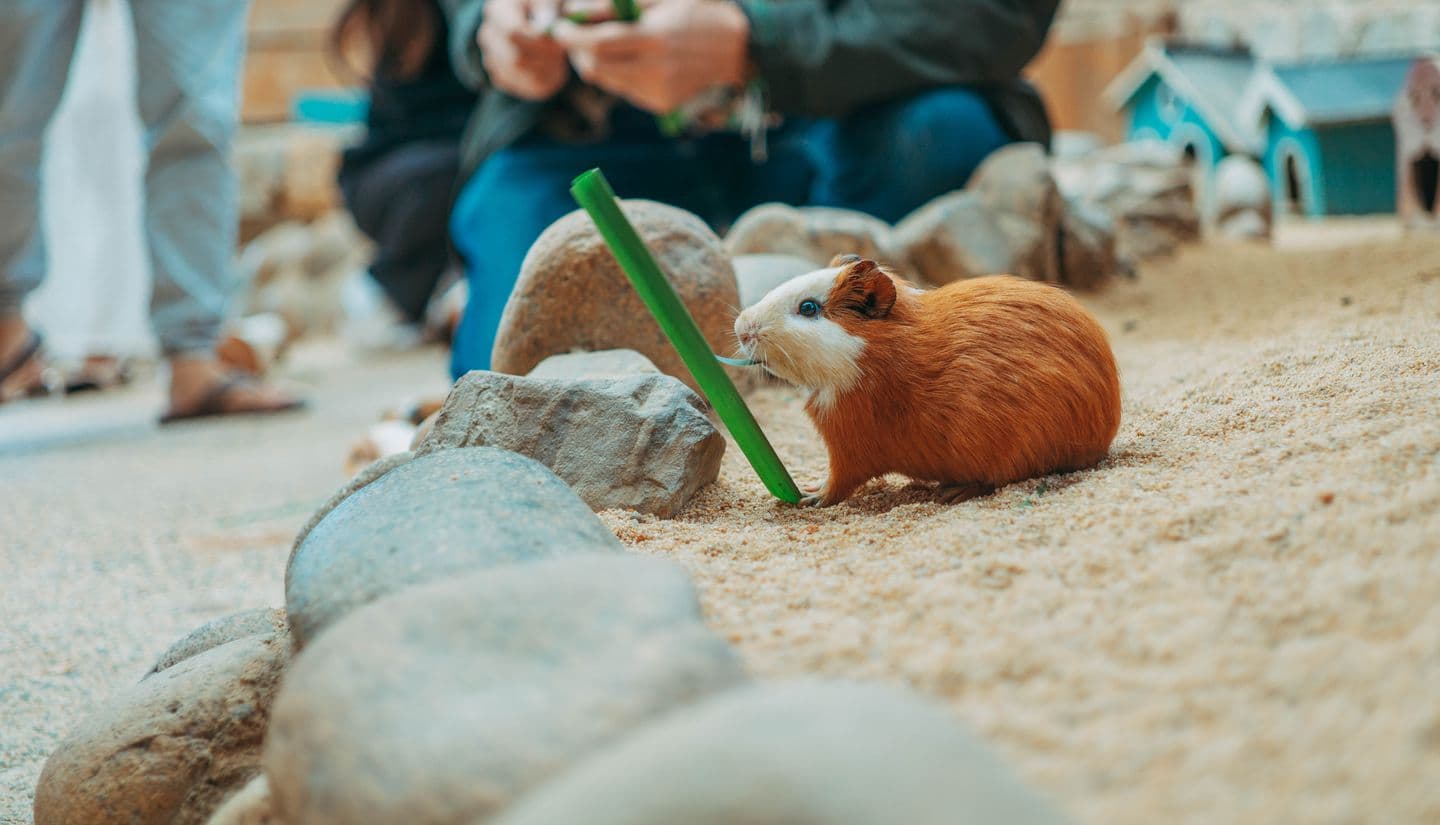
Safe Vegetables for Guinea Pigs in India: What Can They Eat?
Fresh vegetables are an important part of a guinea pig's daily diet. They provide essential vitamins, minerals, hydration and dietary variety.
3 min read
Guinea pigs / Health
Respiratory infections are among the more serious health problems affecting guinea pigs. What may initially appear to be an ordinary cold can develop into pneumonia, a potentially life-threatening con
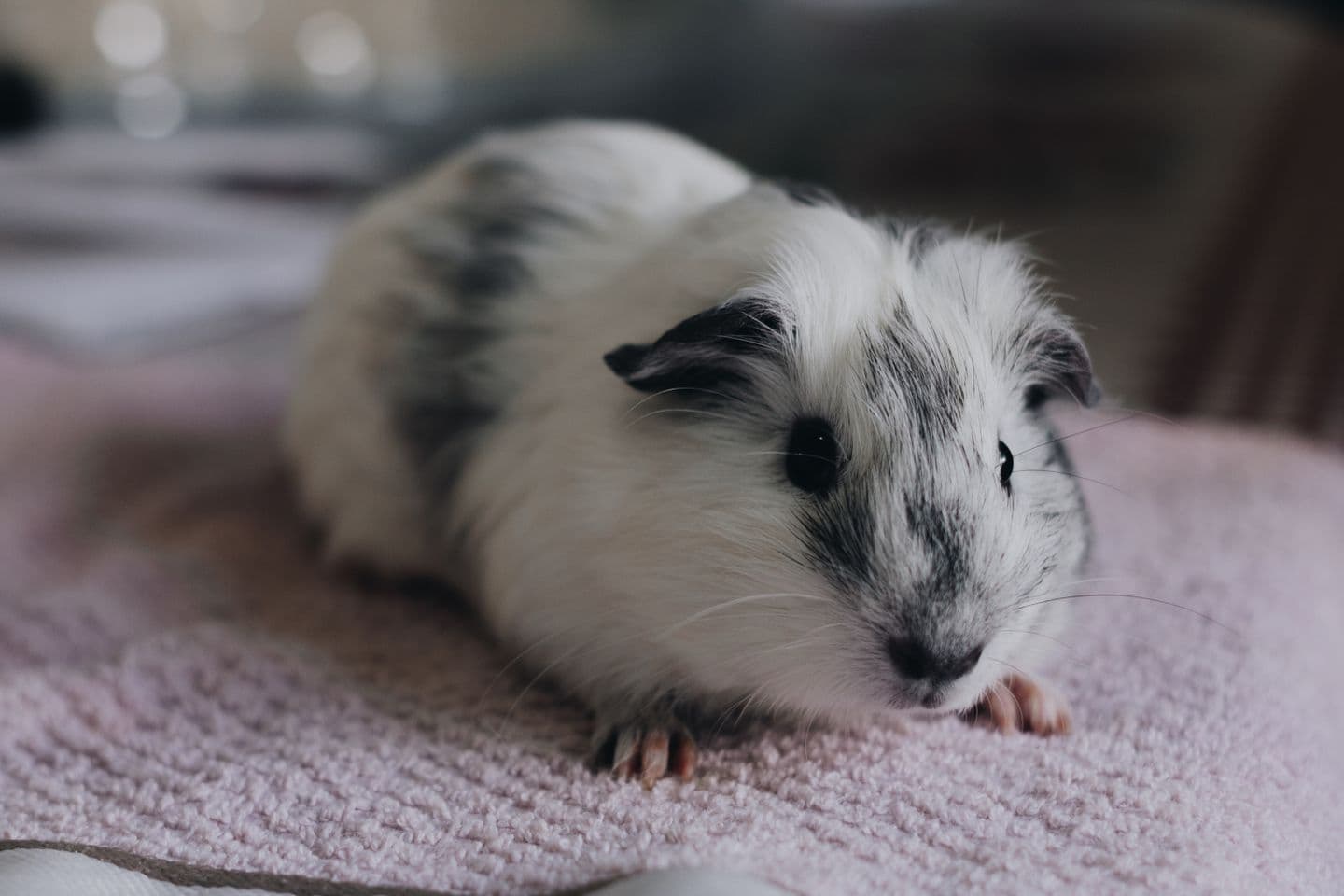
Respiratory infections are among the more serious health problems affecting guinea pigs. What may initially appear to be an ordinary cold can develop into pneumonia, a potentially life-threatening condition.
Guinea pigs have sensitive respiratory systems, and infections can progress rapidly. Recognising early symptoms and seeking veterinary attention are essential.
What causes respiratory infections?
Bacterial infections are a common cause of respiratory disease in guinea pigs. Important organisms include Bordetella bronchiseptica and Streptococcus pneumoniae.
Some guinea pigs may carry respiratory bacteria without showing symptoms. Stress, poor living conditions, inadequate nutrition or another illness can increase their susceptibility to clinical disease.
Contributing factors include:
Dogs and rabbits can also carry certain respiratory bacteria that may infect guinea pigs.
Symptoms to watch for
Respiratory infections may initially produce subtle symptoms. Look for:
Breathing with an open mouth, pronounced breathing effort or severe weakness indicates an emergency.
Unlike humans, guinea pigs should not be assumed to have a harmless common cold. Even mild respiratory symptoms deserve prompt veterinary assessment.
Diagnosis and treatment
A veterinarian experienced in treating small mammals will examine the guinea pig and may recommend chest X-rays, laboratory tests and bacterial culture.
Treatment depends on the cause and severity of the infection. It may include:
Never administer antibiotics without veterinary advice. Some commonly used antibiotics in dogs and cats, including penicillin-class drugs and certain other antibiotics, can disrupt the guinea pig's intestinal bacteria, causing severe diarrhoea and potentially fatal complications.
Do not use human cold medicines, cough syrups or over-the-counter decongestants.
Caring for an infected guinea pig
If infection is suspected, seek veterinary advice about separating the affected animal from other guinea pigs. Maintain a clean, dry enclosure with good ventilation and easy access to food and water.
Monitor food intake, droppings, body weight and breathing. Clean shared feeding equipment and wash your hands between handling animals.
Avoid dusty bedding, strong fragrances, room fresheners and cigarette smoke.
Prevention is better than treatment
A clean, well-ventilated enclosure, appropriate nutrition, fresh hay and regular veterinary examinations help reduce respiratory disease risks.
New guinea pigs should be quarantined before being introduced to existing pets. This helps reduce the risk of spreading infections.
The takeaway
Respiratory infections in guinea pigs should never be treated casually. Early veterinary intervention can make a significant difference, particularly when pneumonia is involved. If breathing becomes difficult, seek emergency veterinary care immediately.
References
Article content © S Vejay Anand. All rights reserved.
Guinea pigs / Getting Started
Fresh vegetables are an important part of a guinea pig's daily diet. They provide essential vitamins, minerals, hydration and dietary variety.
3 min read
Guinea pigs / Getting Started
Guinea pigs do not need fruit to stay healthy, hay and fresh vegetables do the heavy lifting, but a small piece of fruit a couple of times a week makes a welcome treat. The trick is knowing which frui
2 min read
Guinea pigs / Behaviour
Unlike most mammals, guinea pigs cannot manufacture their own vitamin C and cannot store it in the body for long. It must come from their diet every single day, and this single fact shapes a great dea
3 min read