
Guinea pigs / Getting Started
Safe Vegetables for Guinea Pigs in India: What Can They Eat?
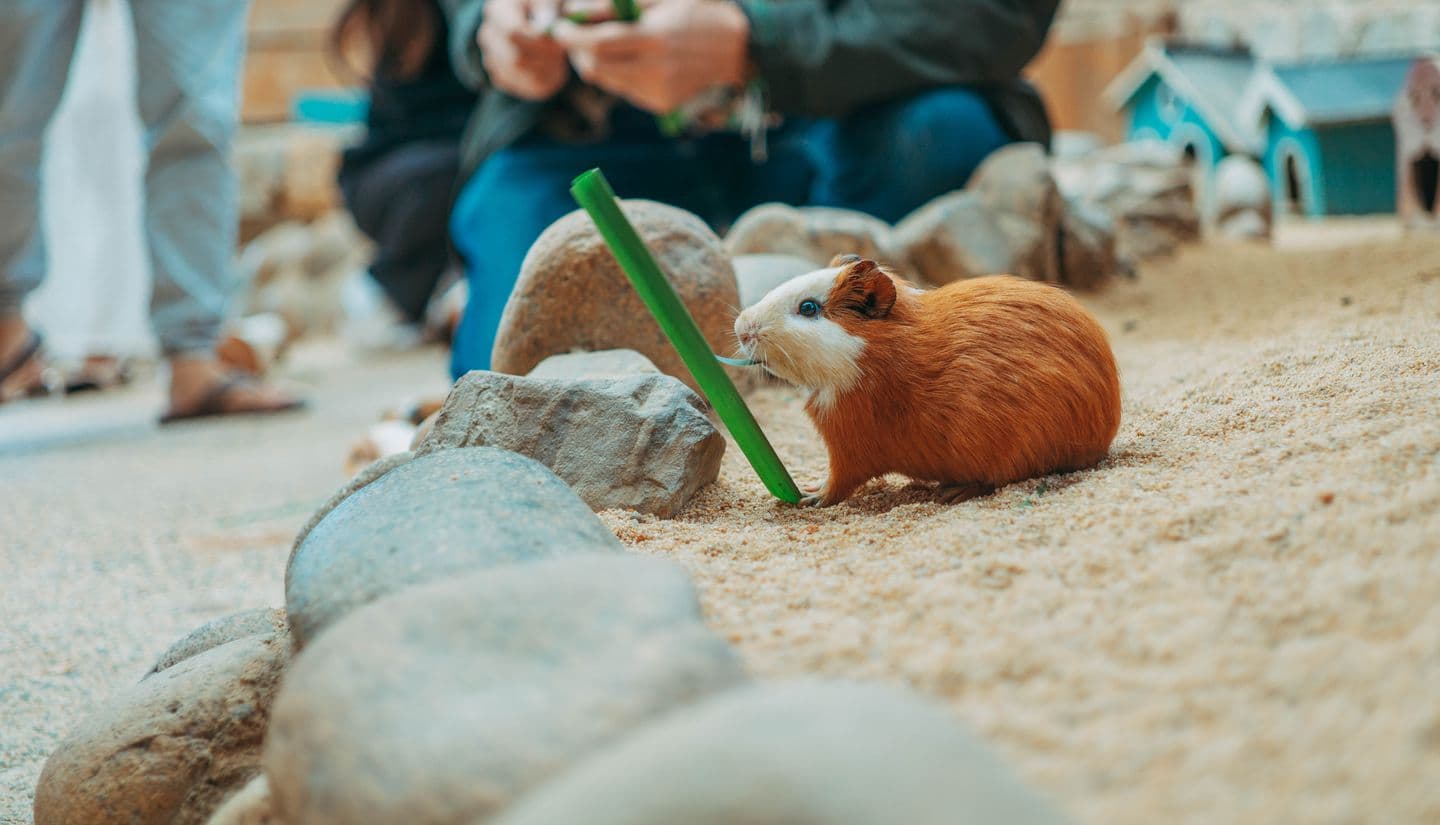
Fresh vegetables are an important part of a guinea pig's daily diet. They provide essential vitamins, minerals, hydration and dietary variety.
3 min read
Guinea pigs / Health
Urinary stones, also called uroliths, are an important health concern in guinea pigs. They develop when minerals in the urine crystallise and accumulate, forming stones in the bladder, kidneys or urin
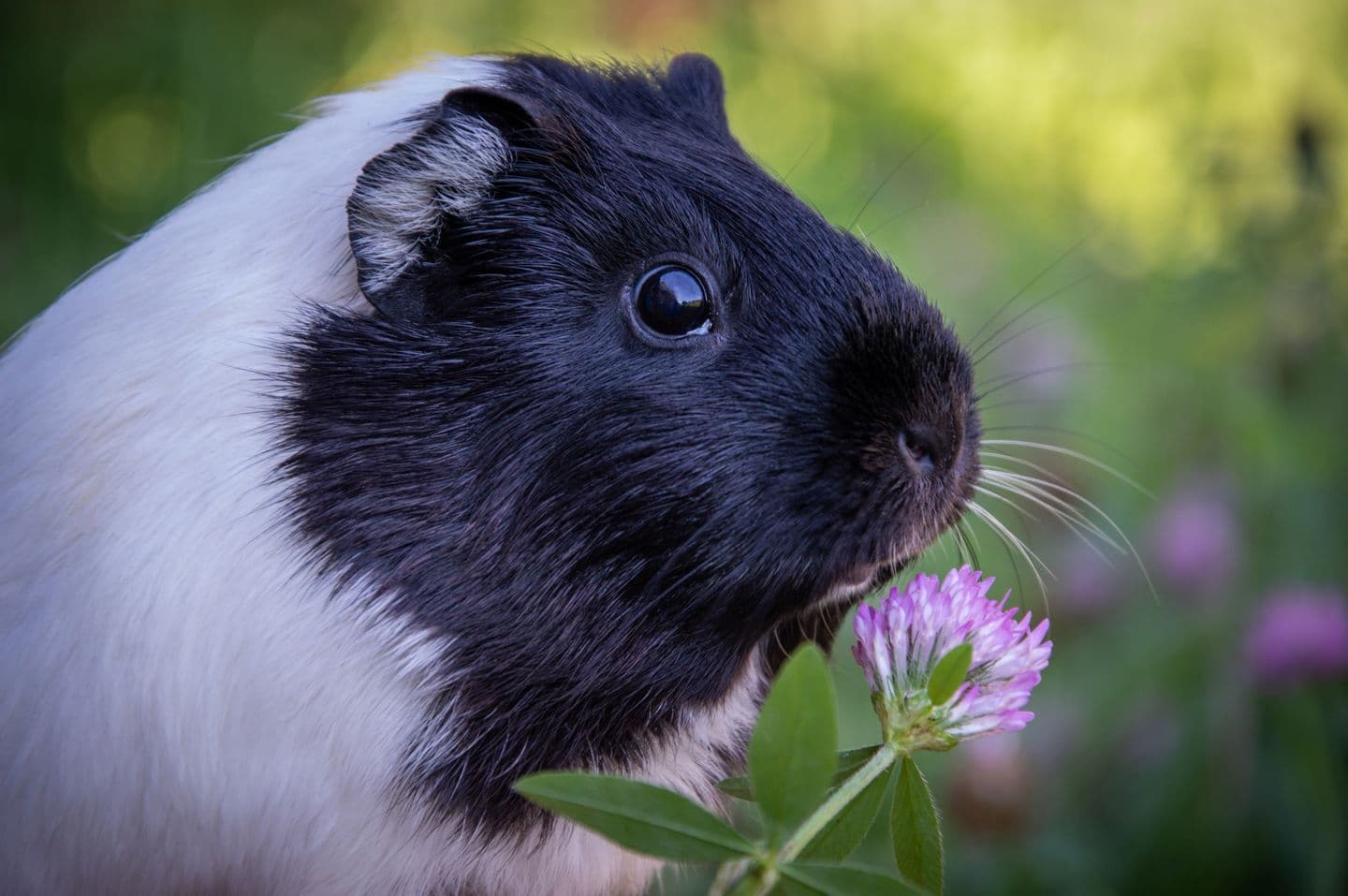
Urinary stones, also called uroliths, are an important health concern in guinea pigs. They develop when minerals in the urine crystallise and accumulate, forming stones in the bladder, kidneys or urinary passages.
These stones can cause considerable discomfort. If they obstruct the urinary tract, the condition can become a life-threatening emergency.
Why do guinea pigs develop urinary stones?
Guinea pigs naturally excrete relatively large amounts of calcium through their urine. Calcium-containing crystals are commonly found in their urinary system. Under certain circumstances, crystals can accumulate and contribute to stone formation.
Factors associated with urinary stone development include:
Alfalfa hay is particularly rich in calcium and is generally unsuitable as the main hay for healthy adult guinea pigs.
However, urinary stones are not caused by one food alone. Recent research also suggests that dietary variety may be relevant to urinary health.
Symptoms to recognise
Early symptoms may be mistaken for ordinary behavioural changes.
Watch for:
A guinea pig that repeatedly attempts to urinate but produces little or no urine may have a urinary obstruction.
Inability to pass urine requires immediate emergency veterinary care.
Diagnosis and treatment
A veterinarian may recommend:
Treatment depends on the location, size and severity of the stones.
Pain relief and fluid therapy may be necessary. Small stones may sometimes be managed with close veterinary monitoring, depending on their location and the animal's condition.
Larger stones, particularly those causing obstruction or repeated discomfort, may require surgical removal.
Antibiotics are appropriate only when a bacterial infection is also present. They do not dissolve urinary stones.
Preventing urinary problems
Although prevention cannot eliminate every risk, certain measures help maintain urinary health.
Provide constant fresh water: Clean drinking water should always be available. Check bottles and bowls regularly to ensure they are functioning.
Choose the right hay: Adult guinea pigs should receive grass hay such as Timothy, orchard or suitable meadow hay rather than routine alfalfa feeding.
Offer varied vegetables: Include suitable leafy greens and vitamin C-rich vegetables. Avoid relying heavily on one or two foods.
Maintain a healthy weight: Encourage daily movement through an appropriately sized enclosure.
Monitor urination: Observe changes in frequency, colour, behaviour and comfort.
Avoid severely restricting calcium without veterinary guidance. Calcium is an essential mineral, and an excessively low-calcium diet can create other nutritional problems.
The importance of early detection
Guinea pigs often conceal pain. Blood in the urine, repeated squeaking or changes in urination should never be dismissed as normal.
The takeaway
Urinary stones can cause severe pain and urinary obstruction. A varied, appropriate diet, good hydration, regular monitoring and early veterinary attention are essential to protecting urinary health.
References
Article content © S Vejay Anand. All rights reserved.
Guinea pigs / Getting Started
Fresh vegetables are an important part of a guinea pig's daily diet. They provide essential vitamins, minerals, hydration and dietary variety.
3 min read
Guinea pigs / Getting Started
Guinea pigs do not need fruit to stay healthy, hay and fresh vegetables do the heavy lifting, but a small piece of fruit a couple of times a week makes a welcome treat. The trick is knowing which frui
2 min read
Guinea pigs / Behaviour
Unlike most mammals, guinea pigs cannot manufacture their own vitamin C and cannot store it in the body for long. It must come from their diet every single day, and this single fact shapes a great dea
3 min read