Eye Problems in Guinea Pigs: Causes, Treatment, and Prevention
A guinea pig's eyes are a genuine window into its overall health. Because guinea pigs are prey animals that hide illness well, changes around the eyes are often one of the first visible clues that som
A guinea pig's eyes are a genuine window into its overall health. Because guinea pigs are prey animals that hide illness well, changes around the eyes are often one of the first visible clues that something needs attention.
What counts as normal
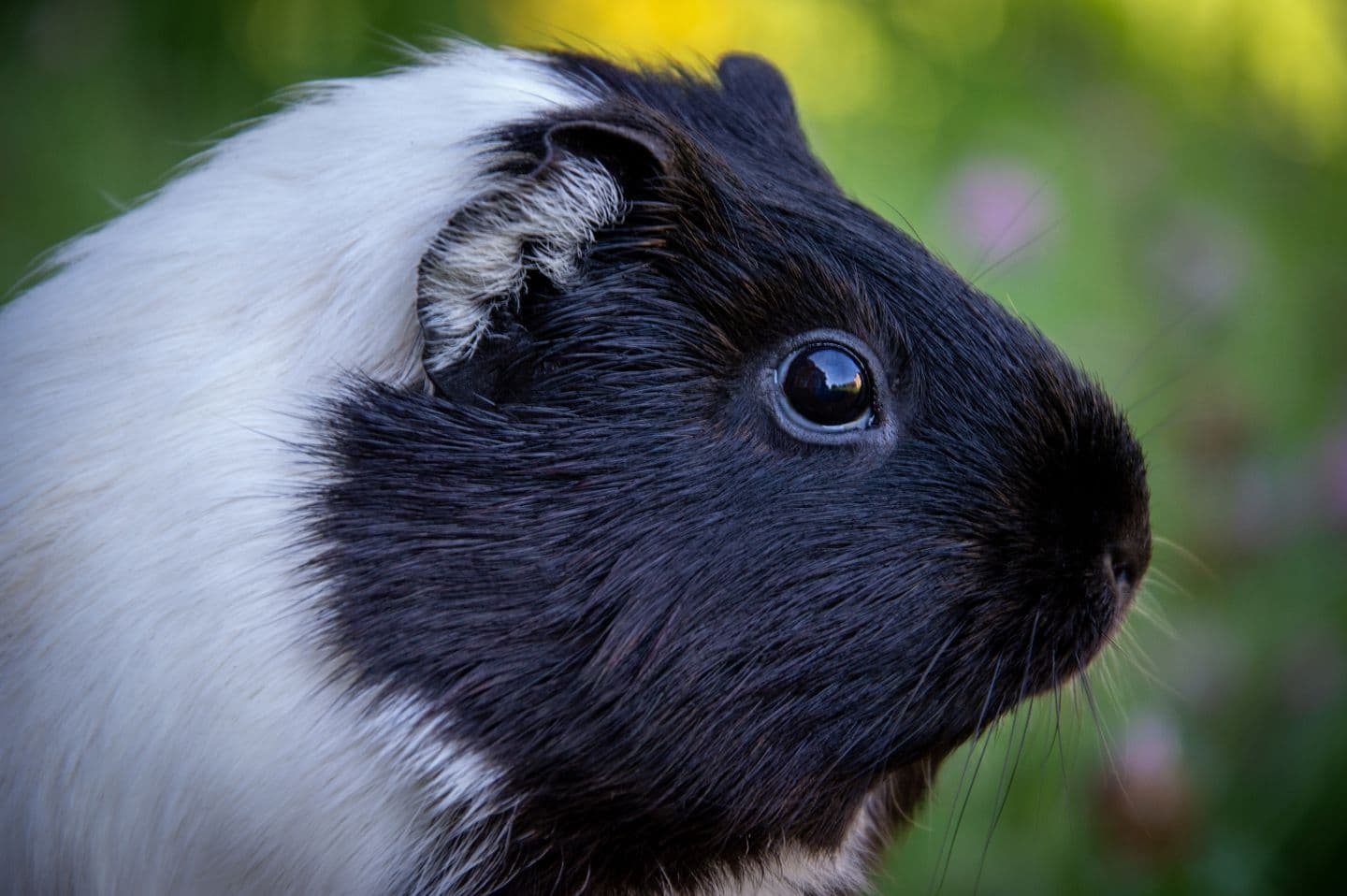
A thin, milky discharge used during self-grooming is normal guinea pig behaviour and not a cause for concern on its own. Redness, thick or coloured discharge, crusting, swelling, closed or squinted eyes, or excessive watering are not normal and are worth investigating.
Common causes
Conjunctivitis, most often bacterial, sometimes linked to the same bacteria that cause respiratory infections
A foreign object such as a piece of hay or bedding dust caught under the eyelid
Vitamin C deficiency, which can present as eye inflammation alongside other symptoms
Dental disease or a tooth root abscess pressing near the eye socket, sometimes causing one eye to bulge
Corneal scratches or ulcers, usually from trauma, which can make the eye look cloudy
Recognising the signs
Cloudy or milky appearance to the eye itself, which can indicate a corneal ulcer
Yellow, green, or crusty discharge, often a sign of bacterial infection
One or both eyes held shut, usually a sign of pain
Redness and swelling of the tissue around the eye
A bulging eye, which needs urgent veterinary attention since it may point to an abscess or growth behind the eye rather than simple conjunctivitis
Treatment
A vet will examine the eye, and may check for foreign material, stain the cornea to look for ulcers, and consider whether dental or respiratory disease could be an underlying cause. Treatment commonly involves antibiotic eye drops or ointment, and if a systemic infection or vitamin C deficiency is suspected, oral antibiotics or a vitamin C boost may be added. Never use human eye drops on a guinea pig without veterinary guidance.
Prevention
Use dust-free, low-dust bedding and hay to reduce eye irritation
Keep the cage clean and dry to reduce bacterial load
Feed a vitamin C rich diet consistently, since deficiency lowers resistance to infection
Handle hay racks carefully, since guinea pigs can scratch a cornea reaching into a poorly designed rack
A note on humans
The bacterium most often responsible for guinea pig conjunctivitis, Chlamydophila caviae, has some zoonotic potential, meaning it can occasionally pass to people in rare cases, which is one reason vets usually treat it with antibiotics rather than leaving it to clear on its own. Wash your hands after touching a guinea pig with visibly infected eyes, and keep a separate towel or cloth for cleaning around the area if you have more than one guinea pig at home.
A quick daily glance at your guinea pig's eyes during feeding time is often enough to catch a problem in its earliest, easiest to treat stage.
Guinea pigs do not need fruit to stay healthy, hay and fresh vegetables do the heavy lifting, but a small piece of fruit a couple of times a week makes a welcome treat. The trick is knowing which frui
Unlike most mammals, guinea pigs cannot manufacture their own vitamin C and cannot store it in the body for long. It must come from their diet every single day, and this single fact shapes a great dea
Some hair loss is completely normal for a guinea pig, but a lot of it points to something worth investigating. Working out whether the hair loss is itchy or non-itchy is usually the fastest way to nar