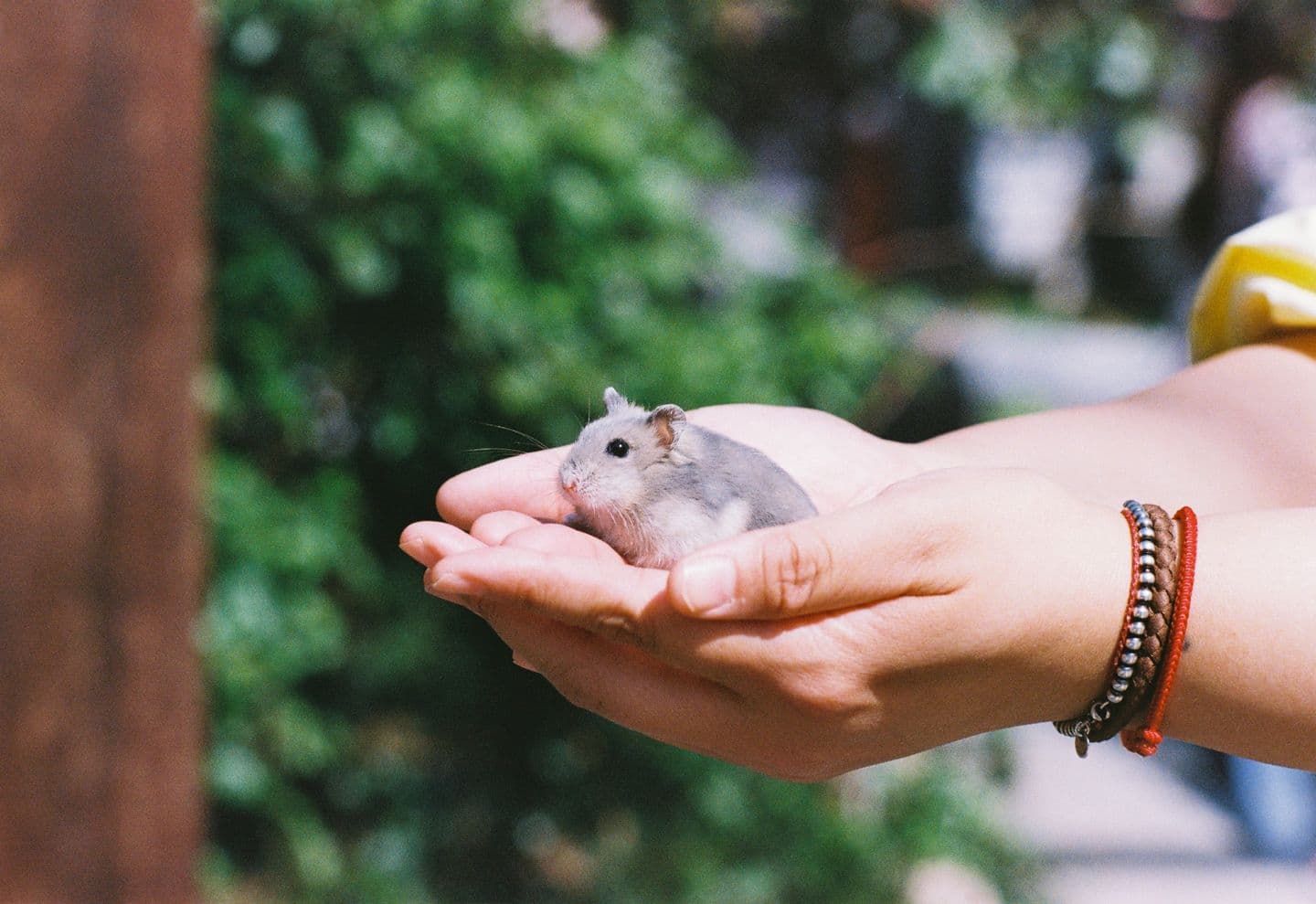
A hamster's skin and coat provide useful clues about its health. Occasional scratching and grooming are normal. However, persistent itching, hair loss, scabs and irritated skin may indicate an underly
A hamster's skin and coat provide useful clues about its health. Occasional scratching and grooming are normal. However, persistent itching, hair loss, scabs and irritated skin may indicate an underlying problem.
Mites are one possible cause, but not every skin condition is parasitic.
What are hamster mites?
Mites are microscopic parasites that can live on or within the skin.
Some species, including Demodex criceti and Demodex aurati, are associated with mange in hamsters.
Mites may be present without obvious symptoms. Skin problems can become more apparent in older, poorly nourished or systemically unwell animals.
Signs of mite infestation
Watch for:
Persistent scratching.
Hair loss, particularly around the back and rump.
Dry or scaly skin.
Redness and irritation.
Scabs and wounds.
Changes in coat quality.
Heavy infestations may cause considerable discomfort.
Other causes of skin problems
Fungal infections: Ringworm can cause bald, scaly or crusty patches. It can spread to humans and other animals.
Bacterial infections: Wounds and damaged skin can develop secondary infections.
Allergic or environmental irritation: Dusty bedding and unsuitable cleaning products may irritate the skin.
Hormonal and age-related disorders: Certain internal diseases can also cause hair loss.
Consequently, hair loss should never automatically be diagnosed as mites.
Diagnosis and treatment
An exotic-pet veterinarian may recommend skin scrapings, microscopic examination, fungal testing or other investigations.
Treatment depends on the underlying cause and may include:
Veterinary-prescribed anti-parasitic medication.
Antifungal treatment.
Antibiotics for confirmed bacterial infections.
Treatment of damaged or inflamed skin.
Changes to unsuitable bedding or environmental conditions.
Never use dog or cat flea treatments without veterinary advice. Some products and concentrations can be toxic to hamsters.
Enclosure hygiene
Remove soiled bedding.
Clean food and water containers.
Disinfect the enclosure using an appropriate animal-safe product.
Allow everything to dry completely.
Replace contaminated nesting material.
Wash hands after handling the hamster.
If ringworm is diagnosed, follow veterinary instructions to prevent transmission to people and other animals.
Prevention
Use clean, low-dust bedding and maintain good enclosure hygiene. Examine your hamster's coat and skin regularly.
Seek veterinary attention if there are open wounds, spreading hair loss, severe itching, swelling or reduced appetite.
The takeaway: Skin problems have several possible causes. Accurate diagnosis is essential before starting treatment.
Hamsters have teeth that grow continuously throughout their lives. Their incisors must wear down naturally through normal eating and chewing. When this process is disrupted, dental problems can develo
Dwarf hamsters are sometimes described as social animals because certain species may tolerate living in compatible same-sex groups. However, this does not mean that they need companions or will always
Hamsters are particularly vulnerable to high temperatures. Unlike humans, they cannot sweat, and their ability to dissipate excess body heat is limited. India's hot summers therefore require special p