Ingredient Decoded / Antioxidants And Cellular Protection
Ethoxyquin
Ethoxyquin is a synthetic antioxidant historically used to protect fats and fish-derived feed materials from oxidation. It has been used in animal-feed applications, including to help…
Ethoxyquin is a synthetic antioxidant historically used to protect fats and fish-derived feed materials from oxidation. It has been used in animal-feed applications, including to help prevent deterioration of fish meal during storage and transport. Its regulatory status is jurisdiction-specific and has changed over time.
In the United States, ethoxyquin remains an approved animal-food additive under specified conditions. The FDA states that the maximum quantity used and remaining in or on treated complete animal food or forage must not exceed 150 parts per million (ppm), and specific label statements are required when it is added directly or indirectly. This is a US rule, not a global limit.
In the European Union, its authorisation was suspended in 2017. Following EFSA's reassessment, the European Commission denied authorisation in 2022. EFSA could not conclude on safety for certain animal groups, consumers and the environment, partly because of the impurity p-phenetidine. Do not assume that a regulatory status in one country applies in India or another market. Manufacturers should be able to identify the applicable local authorisation and sourcing controls.
Opening. Resveratrol is a plant-derived polyphenol found in the skin of grapes, berries and certain other plants. It has attracted research interest because of its effects on oxidative and…
2 min read
Ingredient Decoded / Antioxidants And Cellular Protection
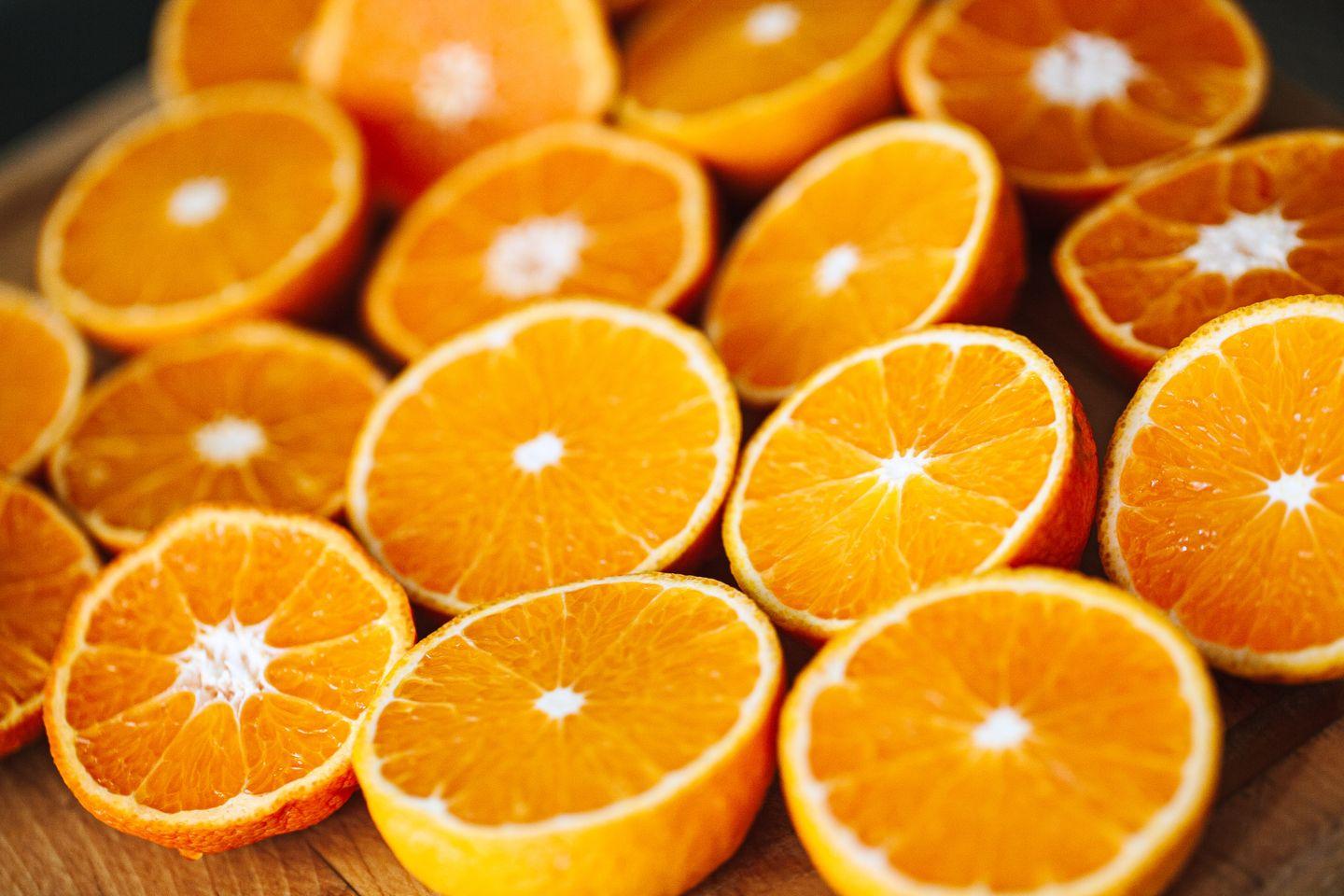
Hesperidin is a citrus flavanone glycoside found particularly in sweet orange and related citrus peels. It has been studied for antioxidant and vascular effects, but most evidence comes from…
1 min read
Ingredient Decoded / Antioxidants And Cellular Protection
• US FDA. 21 CFR Part 573: Food Additives Permitted in Feed and Drinking Water of Animals. https://www.ecfr.gov/current/title-21/chapter-I/subchapter-E/part-573