Ingredient Decoded / Botanical And Herbal Ingredients
Green Tea Extract
Opening. Green tea extract is produced from the leaves of Camellia sinensis. It contains polyphenols called catechins, including epigallocatechin gallate (EGCG). Concentrated extracts can…
Opening. Green tea extract is produced from the leaves of Camellia sinensis. It contains polyphenols called catechins, including epigallocatechin gallate (EGCG). Concentrated extracts can deliver much higher catechin exposures than ordinary brewed tea.
Why it is marketed. Catechins have antioxidant activity in laboratory systems and have been studied for effects on cellular and metabolic pathways. These mechanisms have led to claims about weight management, inflammation and general wellness. They do not establish clinical efficacy in dogs or cats.
Safety evidence. Concentrated green tea extracts have been associated with liver toxicity in experimental and human safety assessments. EFSA's 2018 review identified liver-related concerns with high supplemental EGCG exposure. Experimental work also found that fasting increased susceptibility to toxicity in dogs. These findings do not establish a safe supplement dose for pets.
Dogs and cats. There is insufficient clinical evidence to recommend concentrated green tea extract as a routine supplement for either species. Ordinary brewed tea, concentrated extract and purified EGCG are different exposures and should not be treated as interchangeable.
Safety and takeaway. Do not give dogs or cats human green tea extract capsules, weight-loss products or concentrated EGCG supplements without specific veterinary direction. The ingredient should not be promoted as a proven pet weight-loss or liver-health supplement. Concentrated extracts warrant particular caution.
References
EFSA Panel on Food Additives and Nutrient Sources Added to Food. Scientific opinion on the safety of green tea catechins. EFSA Journal. 2018;16(4):5239.
Oketch-Rabah HA et al. United States Pharmacopeia comprehensive review of the hepatotoxicity of green tea extracts. Toxicology Reports. 2020;7:386–402.
Peer-reviewed experimental studies of green tea extract toxicity in dogs.
Opening. Rosemary extract is obtained from Rosmarinus officinalis and is used in some pet foods as an antioxidant to slow the oxidation of fats and oils. Its main role in many formulations…
2 min read
Ingredient Decoded / Botanical And Herbal Ingredients
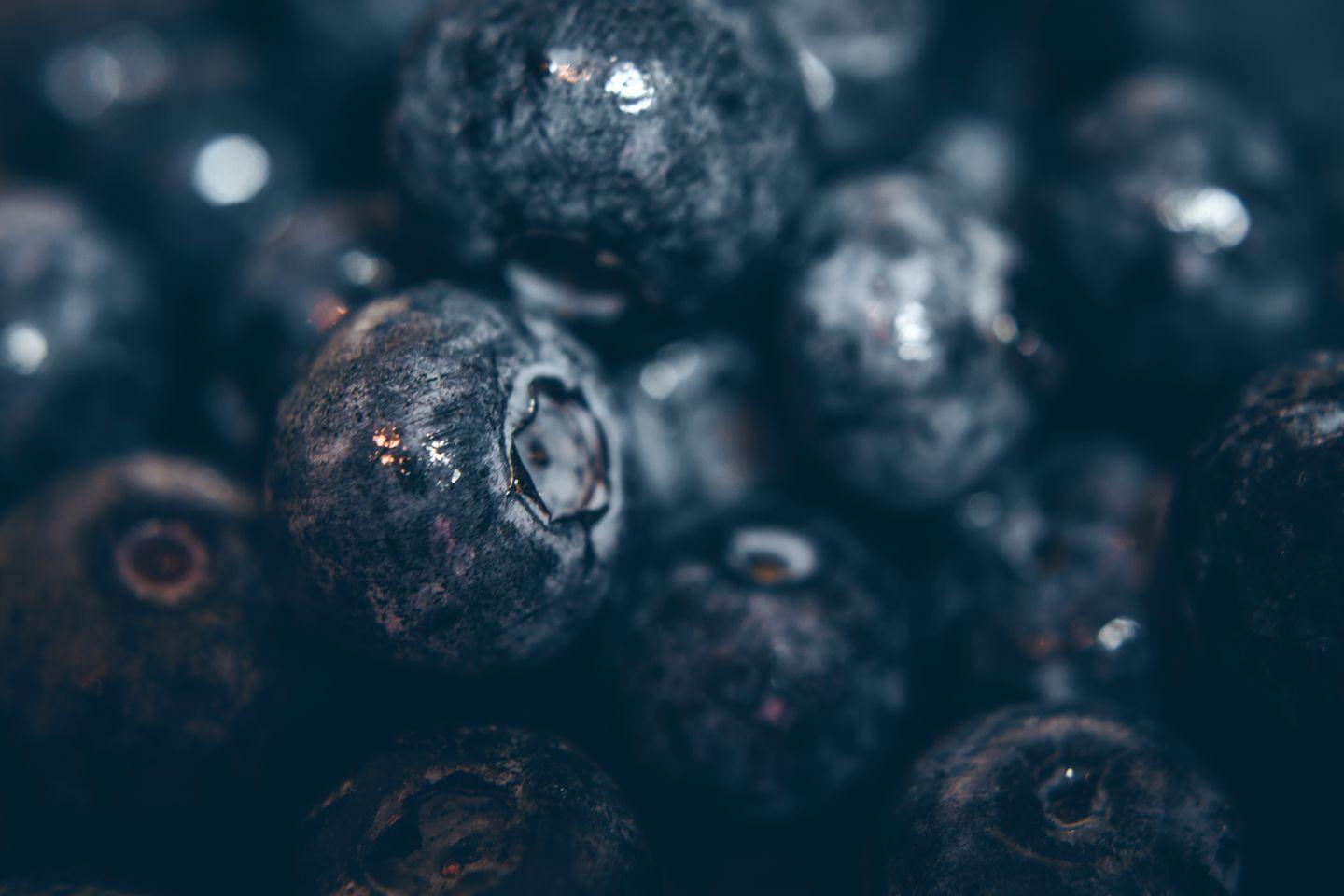
Blueberry extract is produced from Vaccinium fruits and may contain anthocyanins and other polyphenols. Concentration and composition vary with the species, fruit part and extraction…
1 min read
Ingredient Decoded / Botanical And Herbal Ingredients
Bilberry (Vaccinium myrtillus) extract is rich in anthocyanins, plant pigments studied for antioxidant effects. It is sometimes promoted for eye health, but there is insufficient clinical…