Alfalfa meal is made by drying and grinding alfalfa (Medicago sativa), a legume forage. It contains fibre, plant protein, minerals, pigments and naturally occurring vitamins, although…
Alfalfa meal is made by drying and grinding alfalfa (Medicago sativa), a legume forage. It contains fibre, plant protein, minerals, pigments and naturally occurring vitamins, although amounts vary with maturity, growing conditions and processing. In pet food, alfalfa meal may contribute fibre, plant material and some micronutrients. Its nutrient composition is not equivalent to a concentrated protein ingredient, and it should not be treated as a complete source of vitamins or minerals. Alfalfa contains saponins and other plant compounds; high inclusion levels may affect palatability, digestibility or nutrient availability. Evidence that alfalfa meal provides specific therapeutic benefits in dogs and cats is limited. It should not be promoted as a detoxifier or treatment for urinary disease or poor immunity. A complete and balanced diet remains the priority.
References
• National Research Council. Nutrient Requirements of Dogs and Cats. National Academies Press, 2006. https://doi.org/10.17226/10668
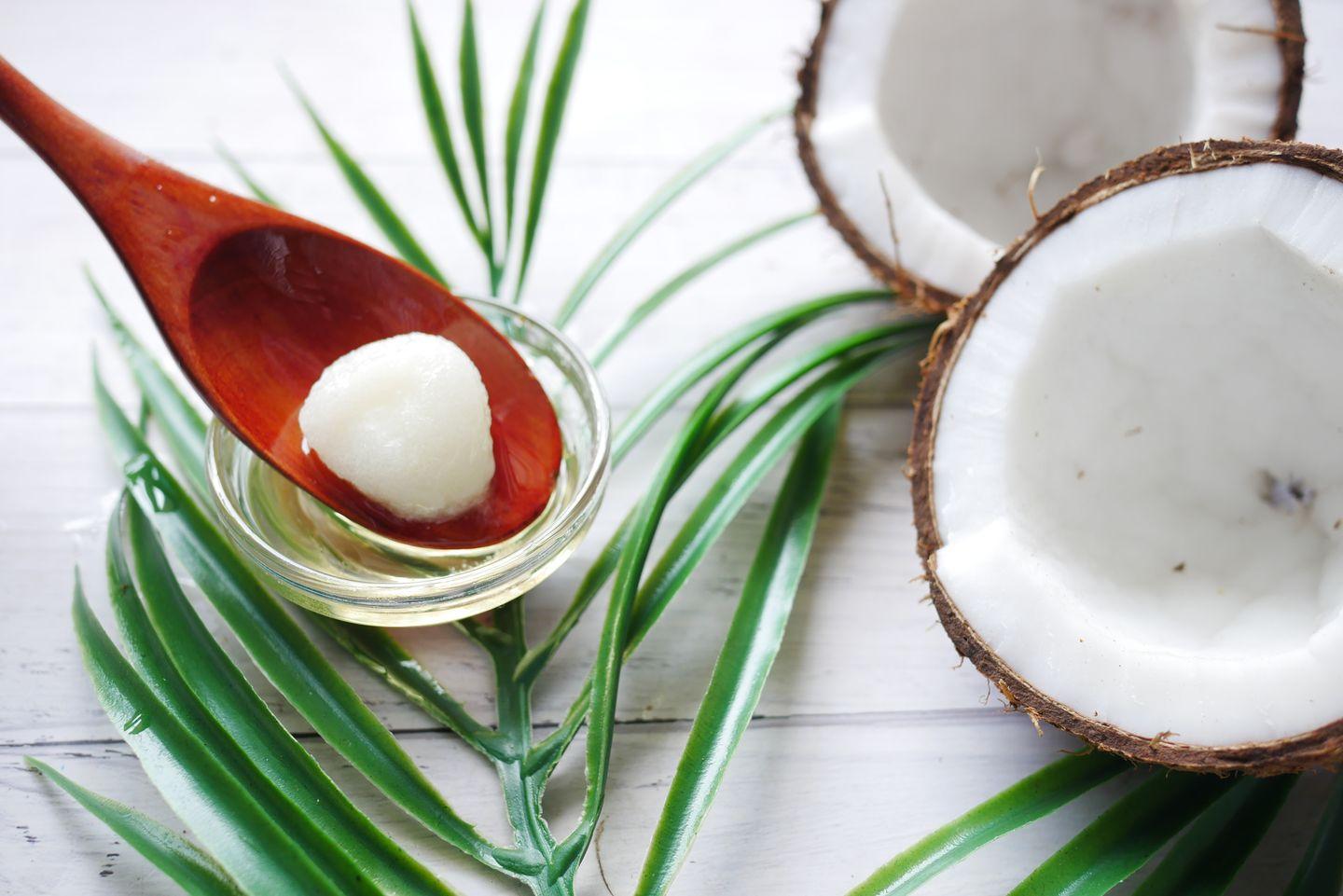
Coconut meal is the solid residue remaining after oil is extracted from coconut flesh. It can contain protein and dietary fibre, with residual fat depending on the extraction process. Its…
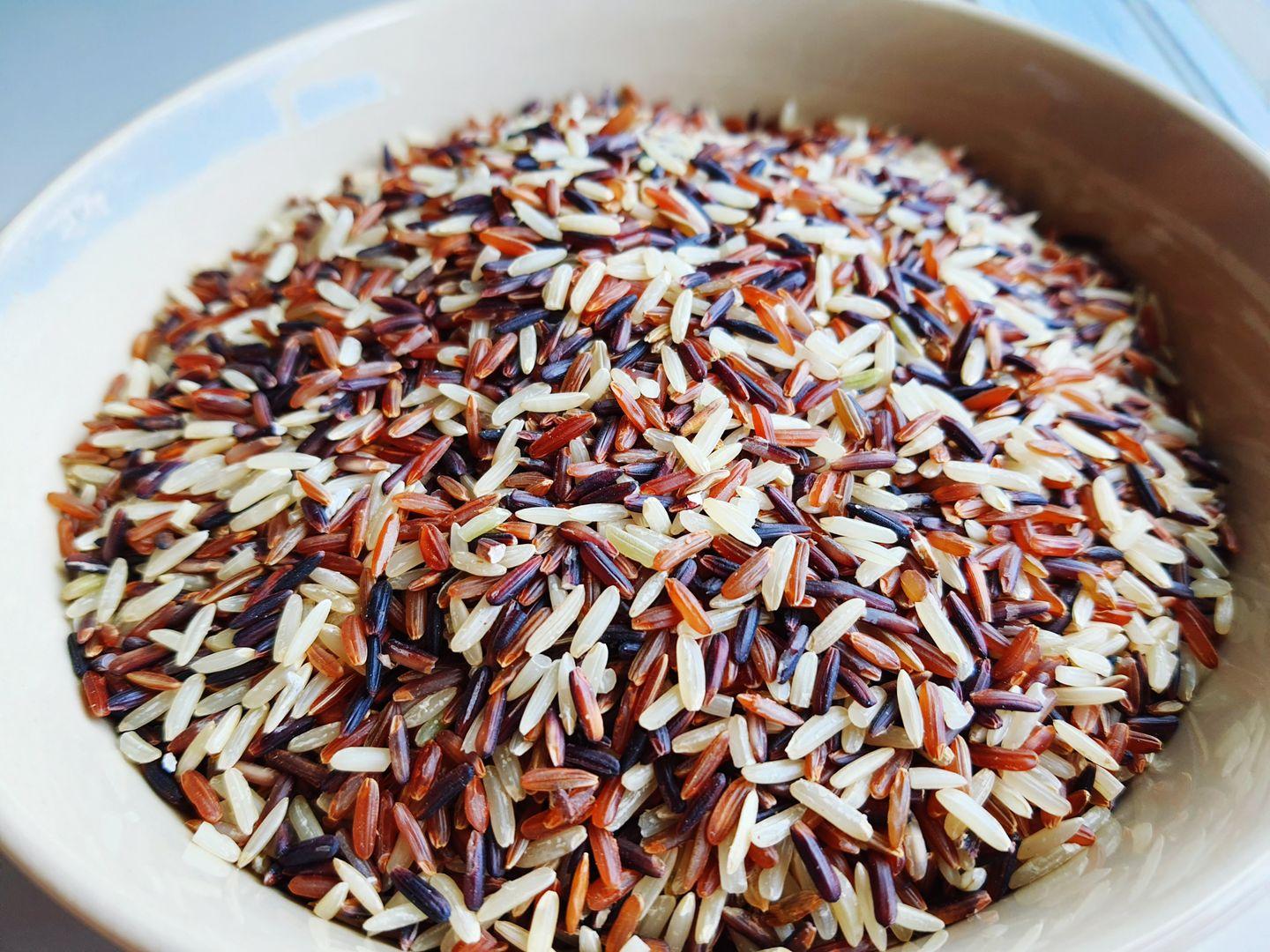
Opening. Rice fibre is a rice-derived ingredient used to contribute dietary fibre to some pet foods. Its composition depends on the part of the grain used and the processing method. It…
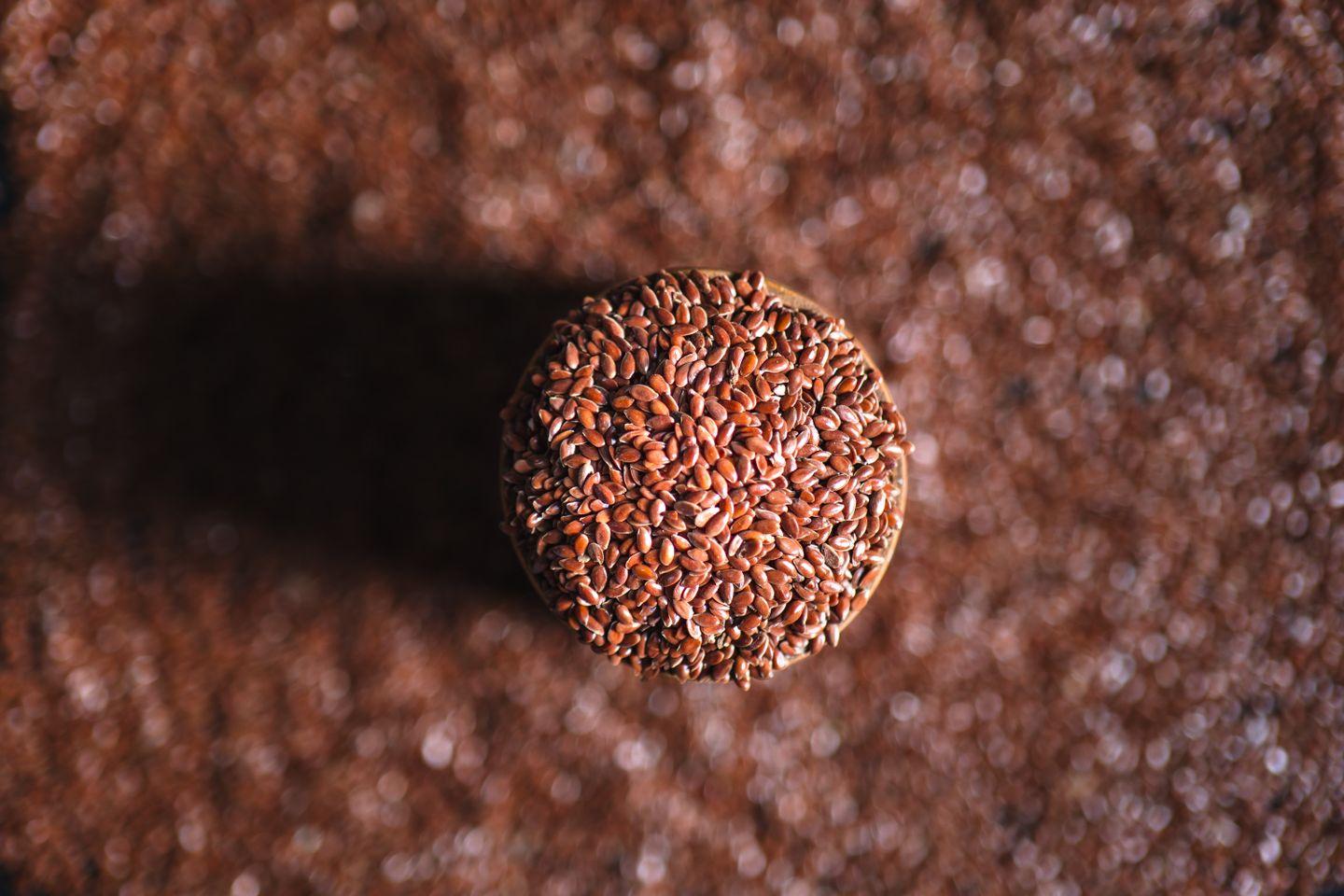
Flax hull fibre is a term that may describe fibre-rich fractions from flaxseed processing; commercial composition depends on the separation method and may include hull, mucilage and residual…