Citrus pulp is the material left after citrus fruit is processed for juice. Depending on the process, it may contain dried peel, residual pulp and sometimes seeds. It supplies dietary fibre…
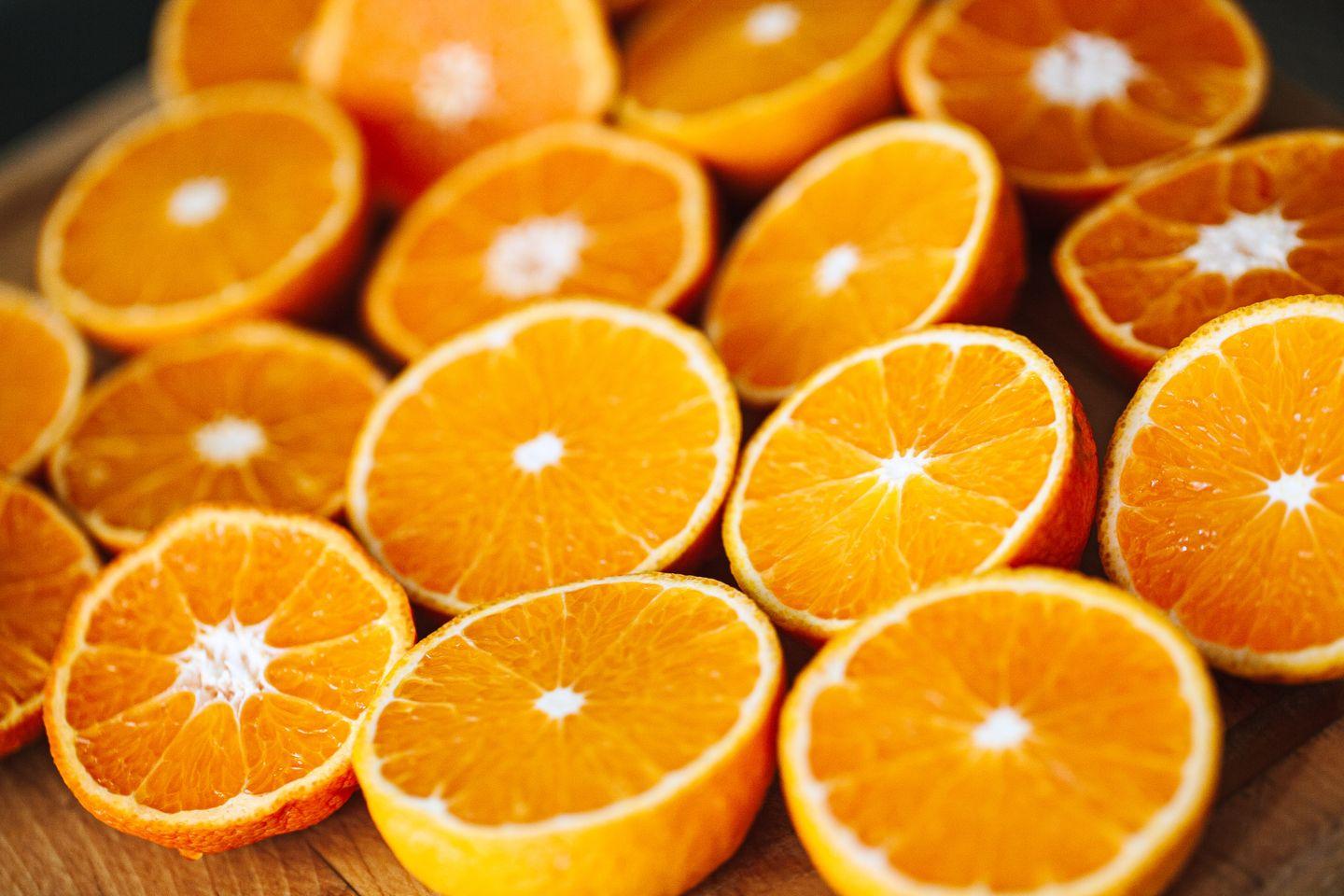
Citrus pulp is the material left after citrus fruit is processed for juice. Depending on the process, it may contain dried peel, residual pulp and sometimes seeds. It supplies dietary fibre and small amounts of other nutrients. In pet foods, citrus pulp may contribute fermentable and less-fermentable fibre. Fibre can influence stool quality, intestinal transit and substrates available to gut microbes. The effect depends on fibre profile, inclusion rate and the rest of the diet; citrus pulp is not a probiotic or a treatment for digestive disease. It is different from citrus essential oil and concentrated bioflavonoid extracts. Excessive fibre can reduce energy density and affect digestibility or stool consistency. Pets with persistent diarrhoea, constipation or weight loss need veterinary assessment rather than an unsupervised change in fibre ingredient.
References
• National Research Council. Nutrient Requirements of Dogs and Cats. National Academies Press, 2006. https://doi.org/10.17226/10668
Beet pulp is the fibrous material left after sugar is extracted from sugar beet. It is a common ingredient in some dog and cat foods because it provides a mixture of fermentable and…
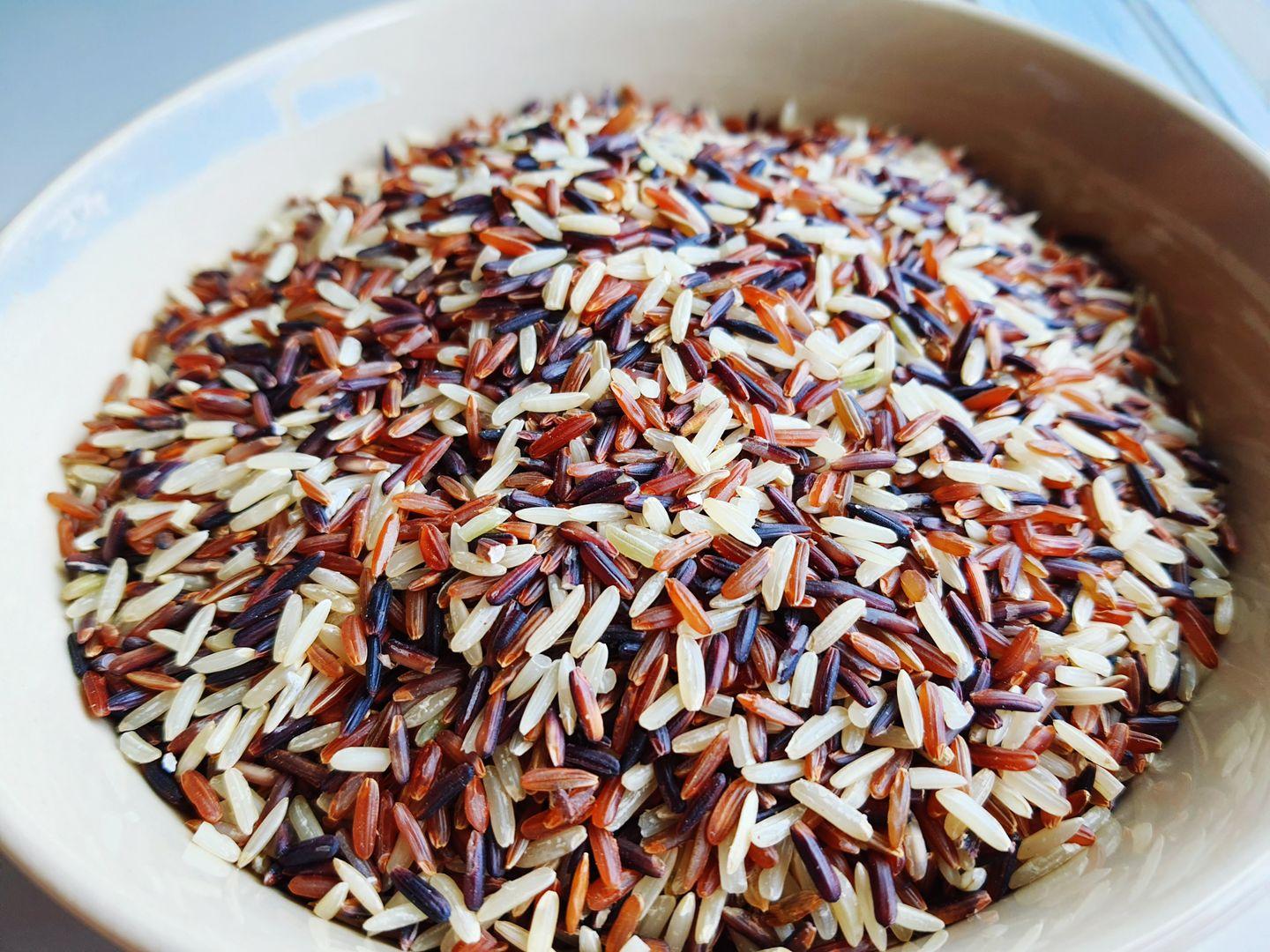
Opening. Rice fibre is a rice-derived ingredient used to contribute dietary fibre to some pet foods. Its composition depends on the part of the grain used and the processing method. It…
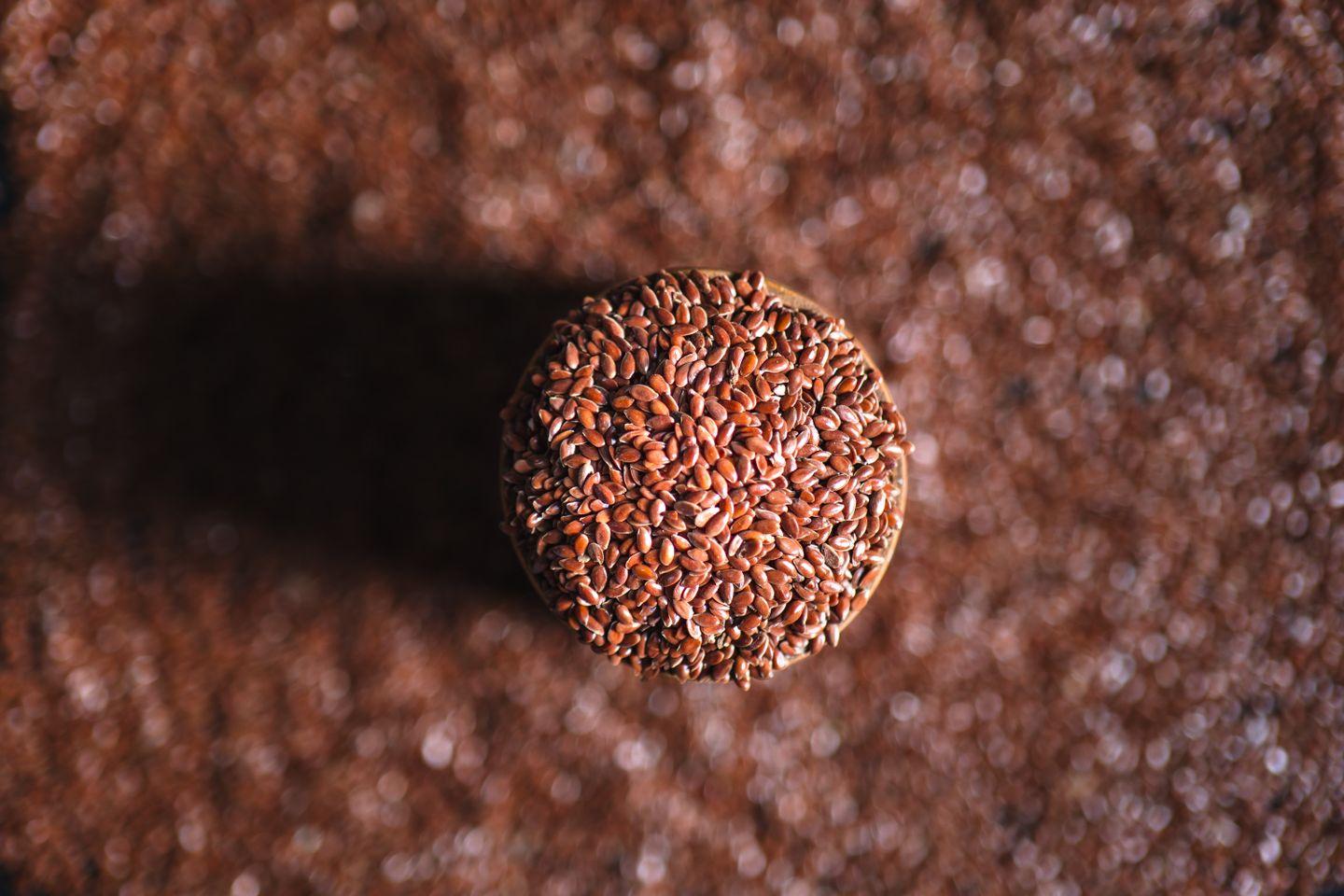
Flax hull fibre is a term that may describe fibre-rich fractions from flaxseed processing; commercial composition depends on the separation method and may include hull, mucilage and residual…