Oat hull fibre is obtained from the outer husk of oat grains and is used mainly as an insoluble fibre source. It can increase stool bulk and reduce the energy density of a formulation, but…
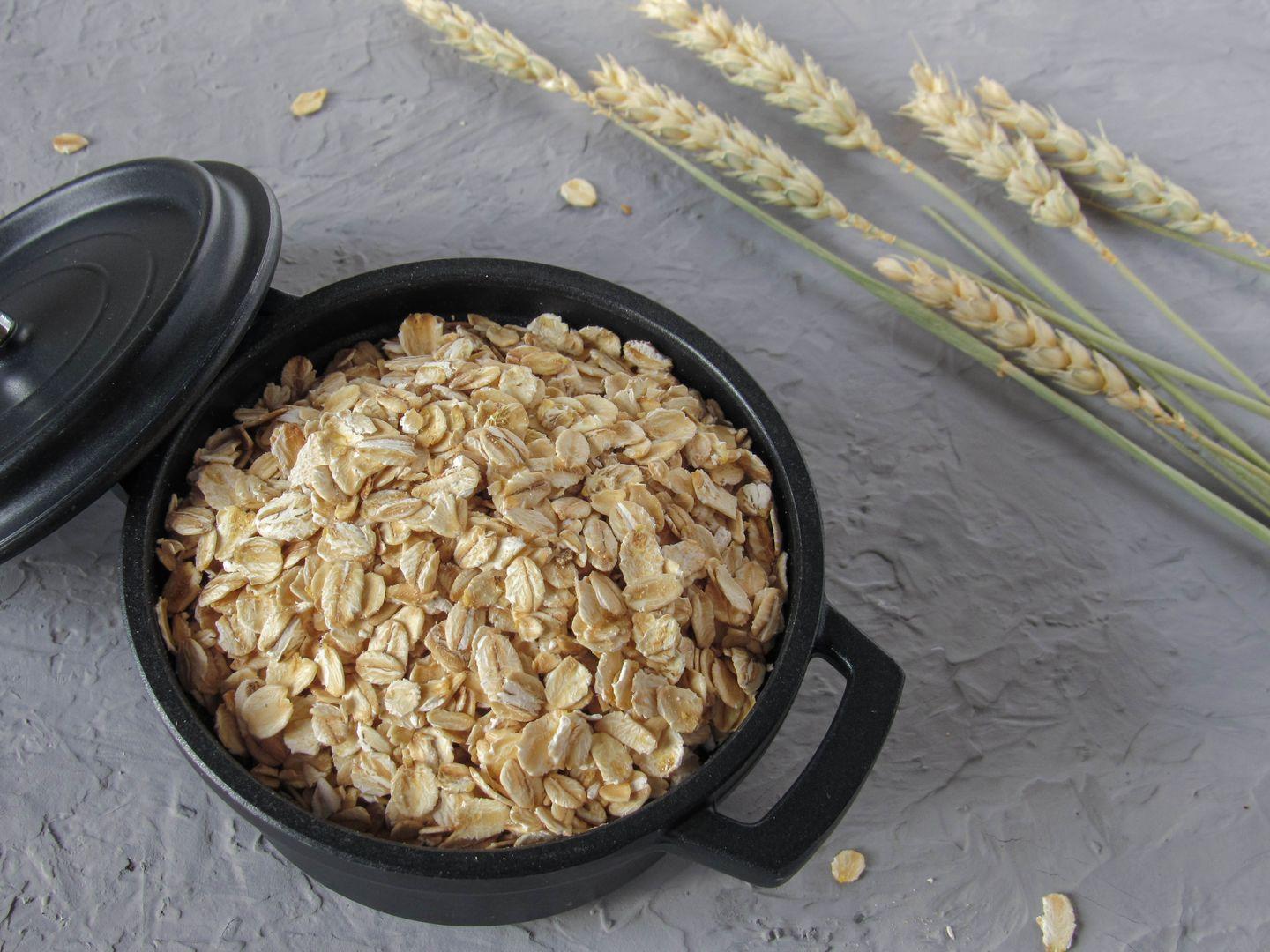
Oat hull fibre is obtained from the outer husk of oat grains and is used mainly as an insoluble fibre source. It can increase stool bulk and reduce the energy density of a formulation, but it contributes relatively little digestible energy. It is different from oat beta-glucan, the soluble fibre discussed for its effects on viscosity and fermentation. The amount and physical characteristics matter: too much insoluble fibre may reduce nutrient digestibility or make a diet less energy-dense than intended.
References: NRC, Nutrient Requirements of Dogs and Cats (2006); FEDIAF, Nutritional Guidelines (2025); reviews of fibre fractions in pet foods.
Opening. Oat fibre is a fibre-rich ingredient obtained from oats. It should be distinguished from whole oats, oat flour, oat bran and purified oat beta-glucan, because these materials have…
Flax hull fibre is a term that may describe fibre-rich fractions from flaxseed processing; commercial composition depends on the separation method and may include hull, mucilage and residual…
Cottonseed hulls are a fibrous by-product of cottonseed processing. They can provide structural fibre, but the raw material must be properly processed and controlled for contaminants and…