Pumpkin is used in some pet foods and home-prepared feeding plans because it contains water and dietary fibre. Plain cooked pumpkin is sometimes offered in small quantities to dogs and cats…
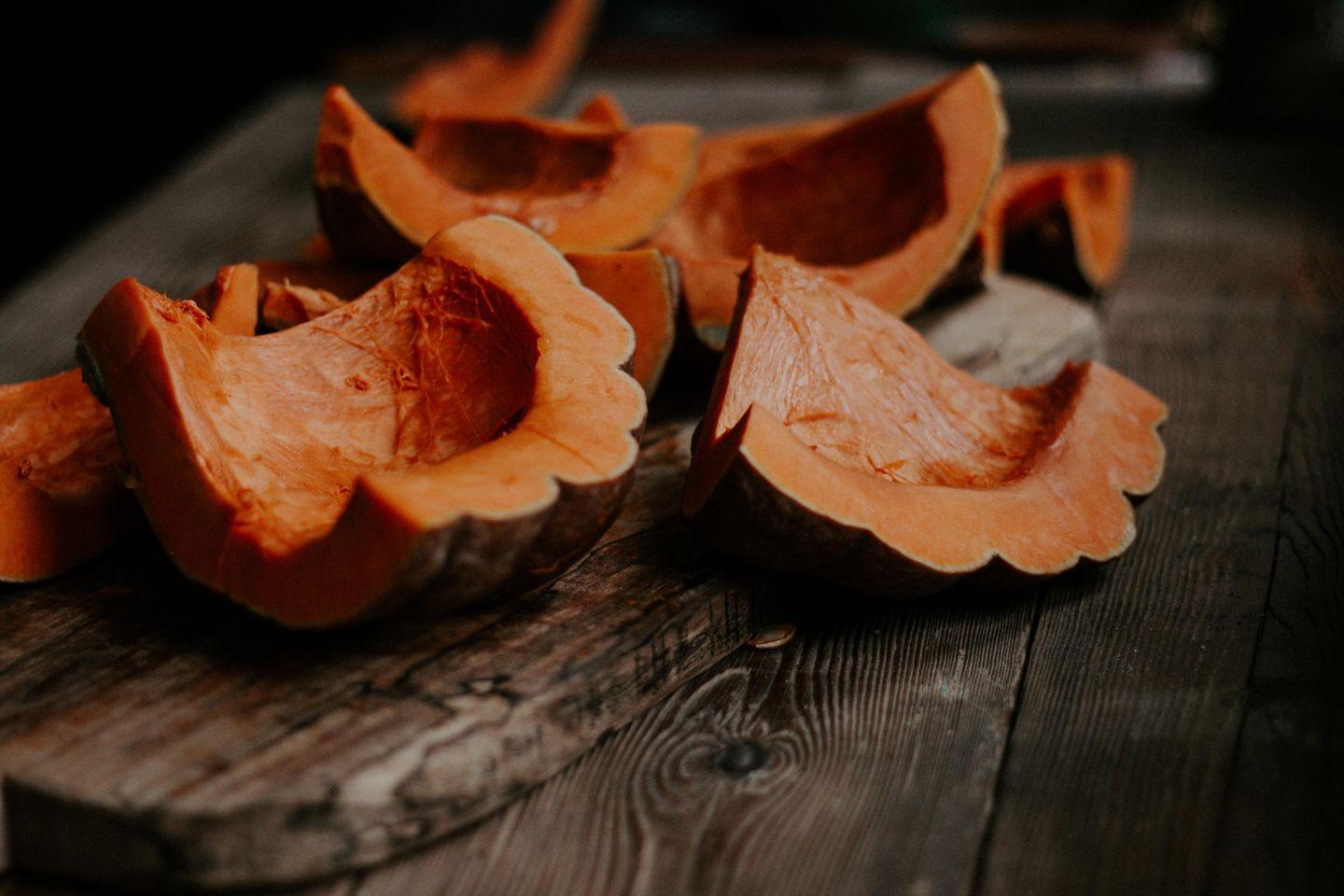
Pumpkin is used in some pet foods and home-prepared feeding plans because it contains water and dietary fibre. Plain cooked pumpkin is sometimes offered in small quantities to dogs and cats when stool consistency changes.
What does pumpkin contain?
Pumpkin provides water, modest amounts of soluble and insoluble fibre, and small quantities of vitamins and minerals. Its nutritional contribution depends on the variety and preparation. It is not a complete food and cannot replace a balanced diet.
Why do pet parents use it?
Fibre can influence how water is retained in the intestinal contents and how stool moves through the digestive tract. Some pets may tolerate a small amount of plain pumpkin as part of a veterinarian-approved dietary adjustment. However, there is limited clinical evidence that pumpkin reliably treats constipation or diarrhoea in all dogs and cats.
Dogs and cats
Both species may eat plain pumpkin in suitable quantities, but cats are obligate carnivores and should receive most of their nutrition from a complete feline diet. Pumpkin should remain a small addition, not a major component of the diet.
Which pumpkin is safe?
Use plain cooked pumpkin or plain canned pumpkin with no added sugar, salt, spices or flavourings. Pumpkin pie filling is not suitable. Avoid preparations containing onion, garlic, sweeteners or other ingredients that may be harmful to pets.
When is veterinary care needed?
Do not rely on pumpkin if a pet has repeated vomiting, blood in the stool, abdominal pain, lethargy, dehydration, weight loss or persistent constipation or diarrhoea. In cats, straining in the litter tray may indicate urinary obstruction rather than constipation. Inability to pass urine is an emergency.
The takeaway
Plain pumpkin can provide water and fibre as a small dietary addition, but it is not a proven treatment for every digestive problem. Persistent or severe symptoms need veterinary assessment, and any dietary change should be appropriate for the individual pet.
Opening. Rice fibre is a rice-derived ingredient used to contribute dietary fibre to some pet foods. Its composition depends on the part of the grain used and the processing method. It…
Flax hull fibre is a term that may describe fibre-rich fractions from flaxseed processing; commercial composition depends on the separation method and may include hull, mucilage and residual…
Mannan oligosaccharides (MOS) are carbohydrate compounds commonly derived from yeast cell walls. They are included in some pet foods and supplements as functional ingredients intended to…