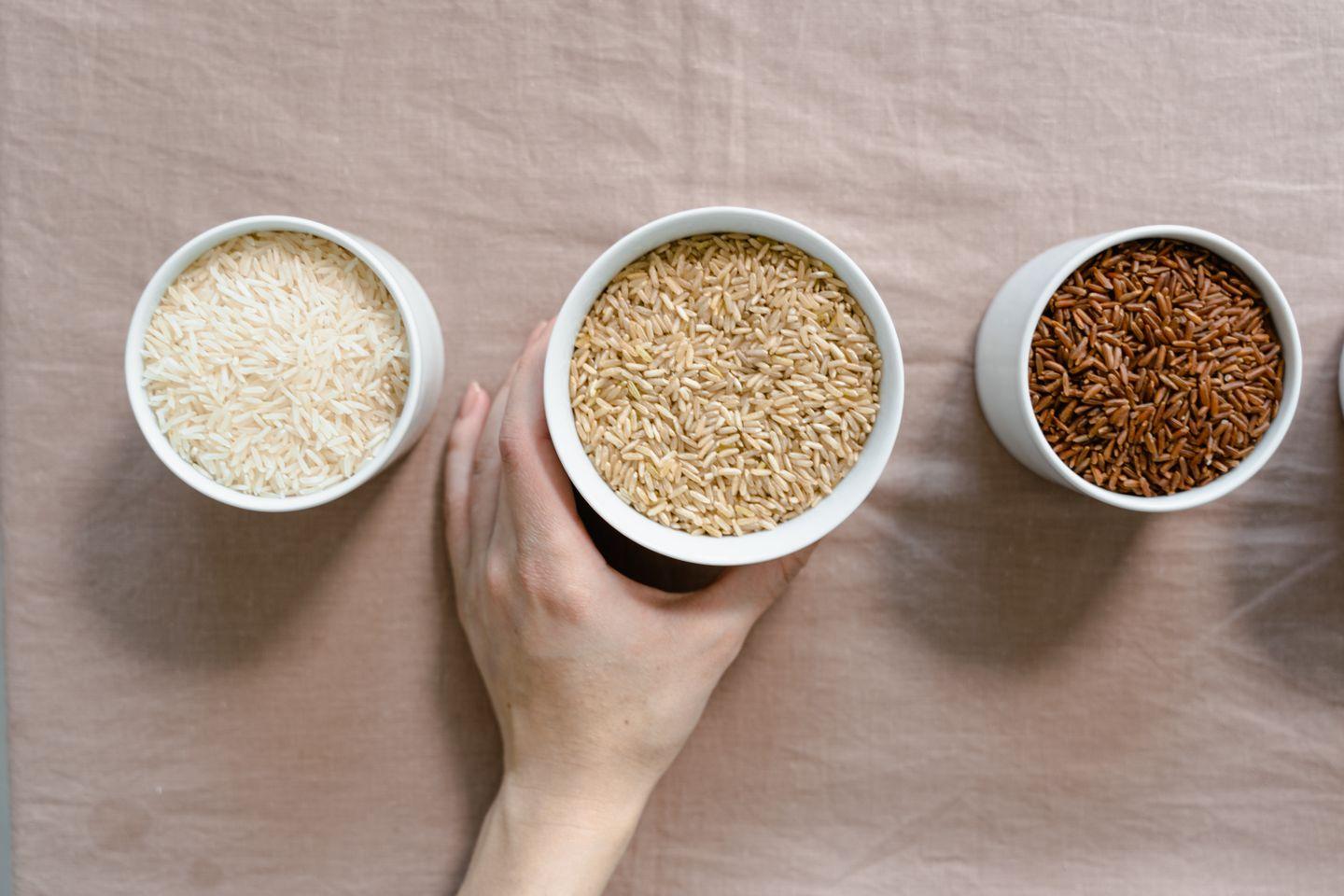
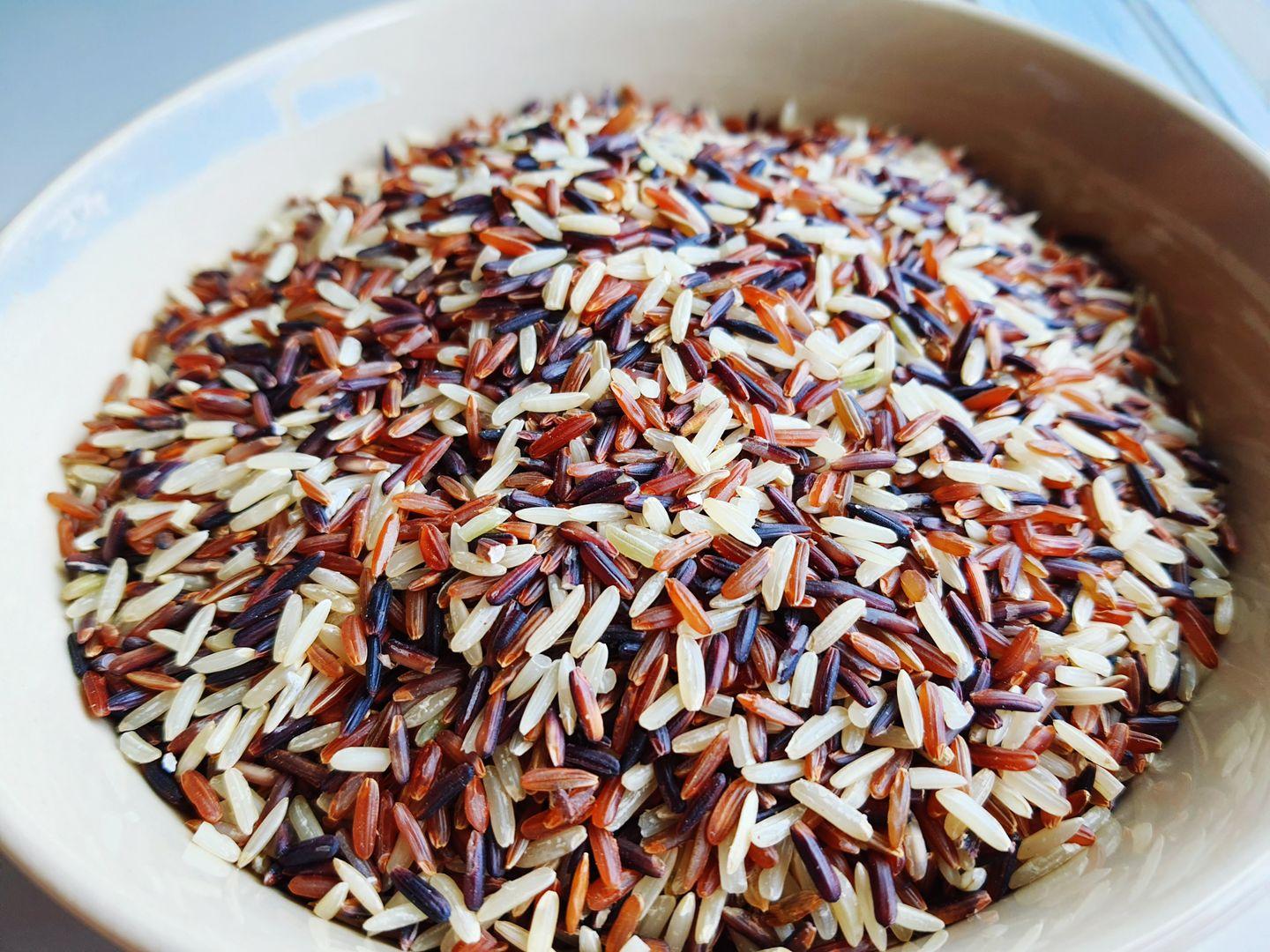
Rice hull fibre comes from the hard outer covering of rice grains and is composed largely of structural plant material, including silica. It may be used as an insoluble fibre source or…
Rice hull fibre comes from the hard outer covering of rice grains and is composed largely of structural plant material, including silica. It may be used as an insoluble fibre source or technological ingredient. Its composition and suitability depend on milling, purity and particle size. It is distinct from rice bran, which contains more oil and other nutrients. High inclusion can dilute dietary energy and affect digestibility. Feed-grade quality and control of physical contaminants are important.
References: NRC, Nutrient Requirements of Dogs and Cats (2006); reviews of rice milling by-products in animal nutrition; AAFCO, ingredient definitions.
Opening. Rice fibre is a rice-derived ingredient used to contribute dietary fibre to some pet foods. Its composition depends on the part of the grain used and the processing method. It…
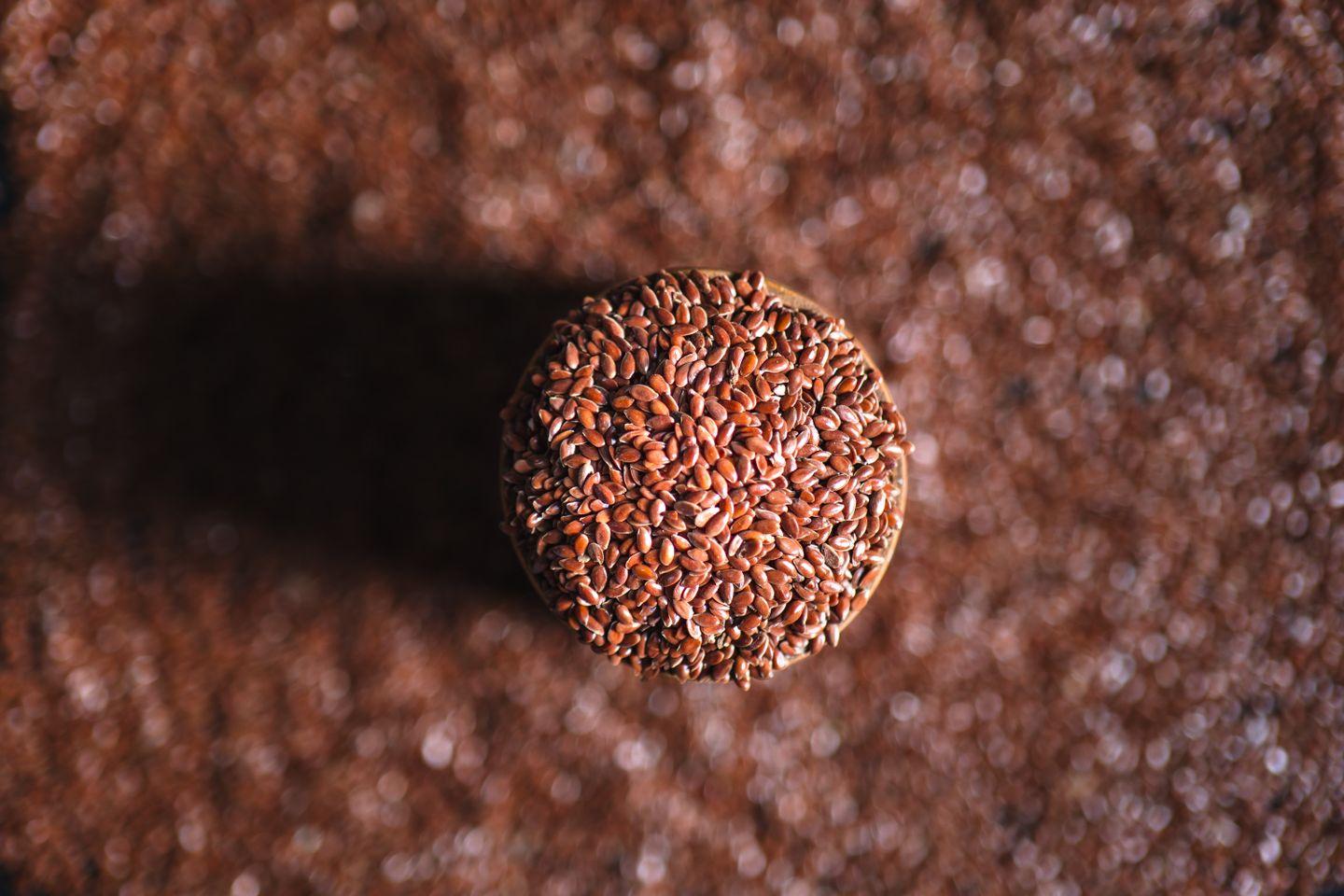
Flax hull fibre is a term that may describe fibre-rich fractions from flaxseed processing; commercial composition depends on the separation method and may include hull, mucilage and residual…
Cottonseed hulls are a fibrous by-product of cottonseed processing. They can provide structural fibre, but the raw material must be properly processed and controlled for contaminants and…