Tomato pomace is the material left after tomatoes are processed for juice, paste or other products. Depending on processing, it may contain skins, seeds and residual pulp. It provides fibre…
Tomato pomace is the material left after tomatoes are processed for juice, paste or other products. Depending on processing, it may contain skins, seeds and residual pulp. It provides fibre and variable amounts of protein, fat and plant compounds such as lycopene. In pet food, tomato pomace is used mainly as a fibre-containing ingredient. Lycopene has antioxidant activity in laboratory systems, but the presence of tomato pomace does not establish that a finished food prevents cancer, heart disease or ageing. The amount and availability of lycopene depend on the source and processing. Tomato pomace is not the same as fresh tomato, tomato extract or purified lycopene. Ingredient quality, storage and oxidation control matter. It should not be presented as a therapeutic supplement; evaluate the complete recipe and nutrient profile.
References
• National Research Council. Nutrient Requirements of Dogs and Cats. National Academies Press, 2006. https://doi.org/10.17226/10668
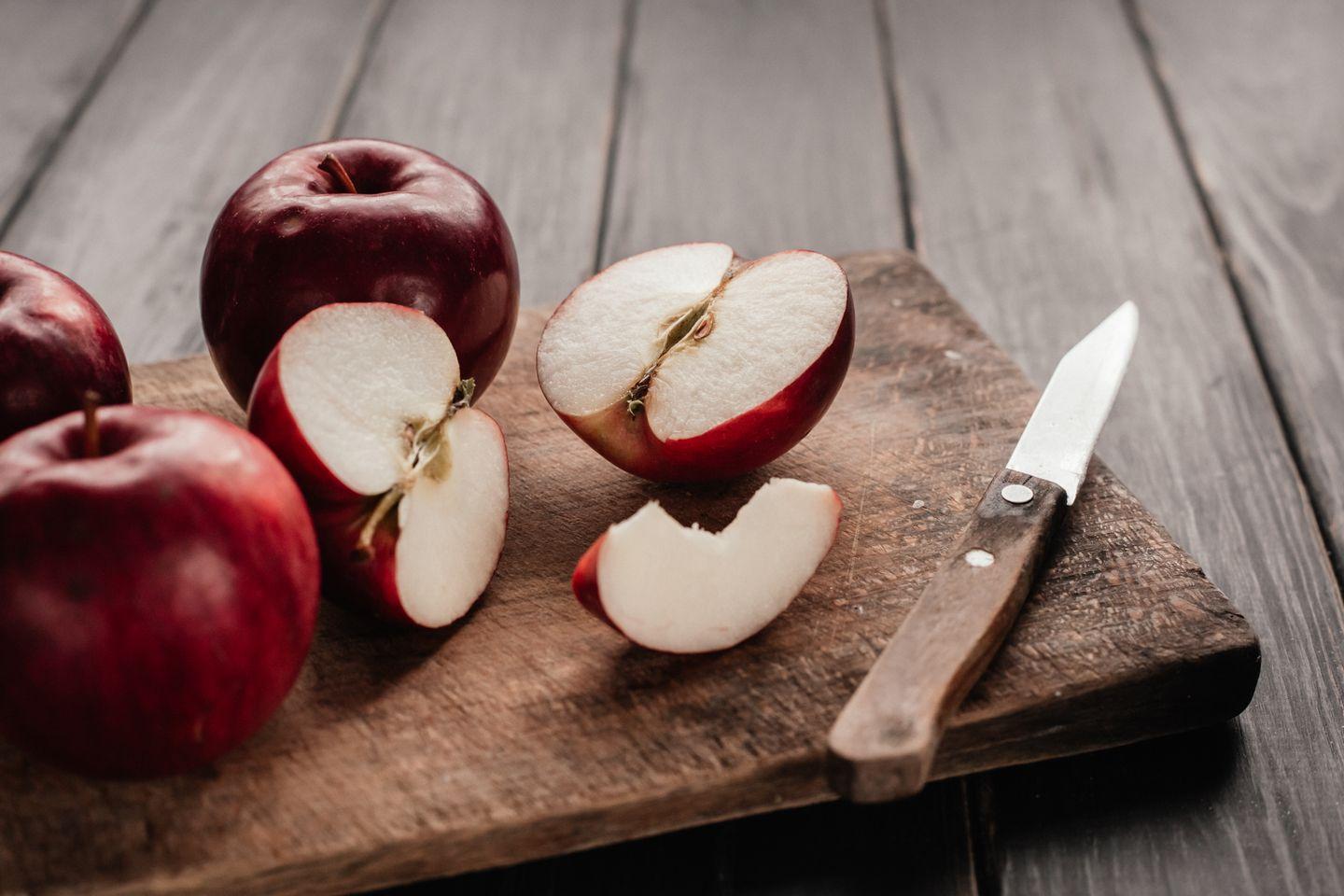
Opening. Apple pomace is the solid material remaining after apples are pressed for juice. It may contain peel, pulp and fibrous tissue. It is used in some pet foods as a source of dietary…
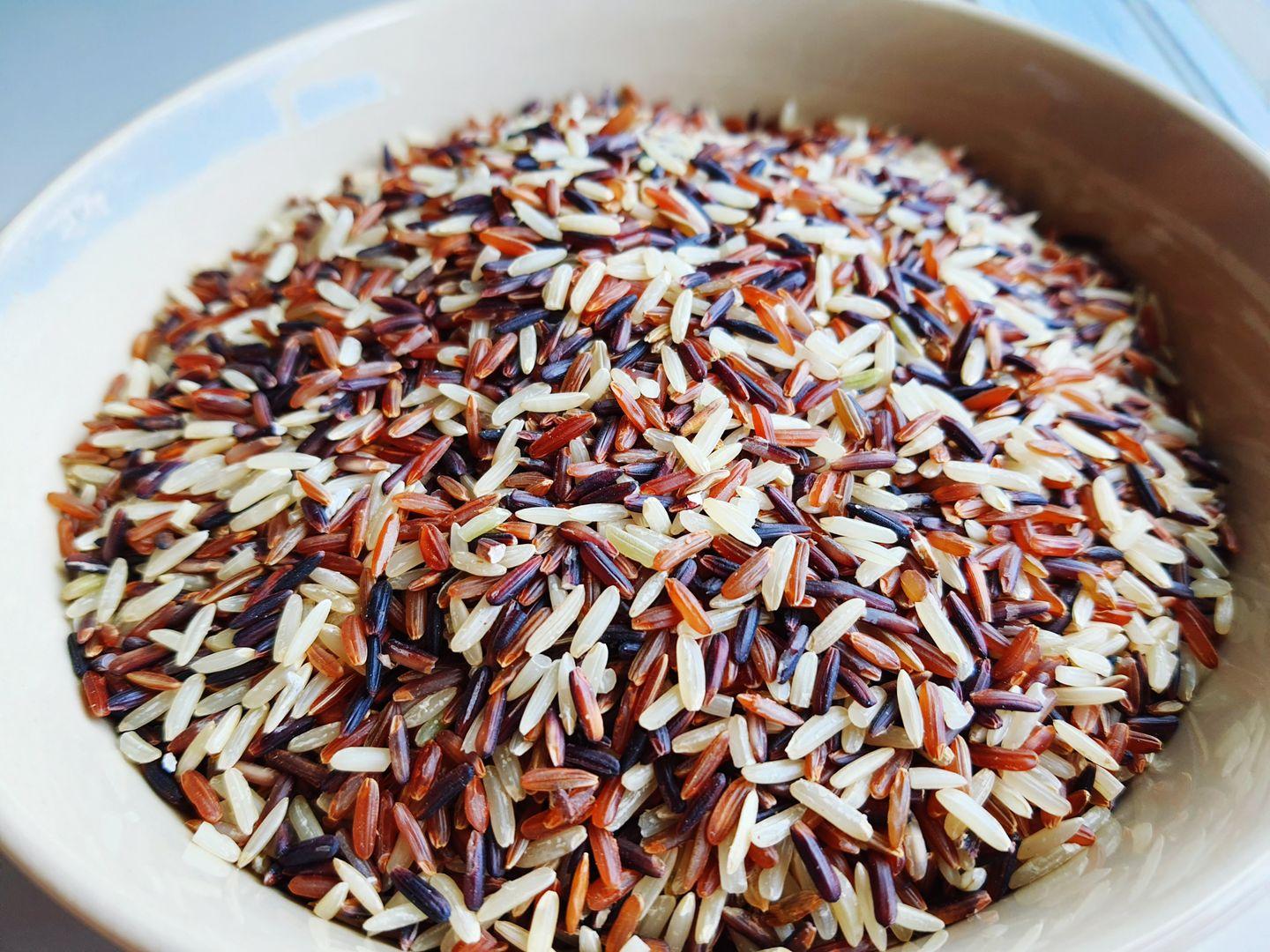
Opening. Rice fibre is a rice-derived ingredient used to contribute dietary fibre to some pet foods. Its composition depends on the part of the grain used and the processing method. It…
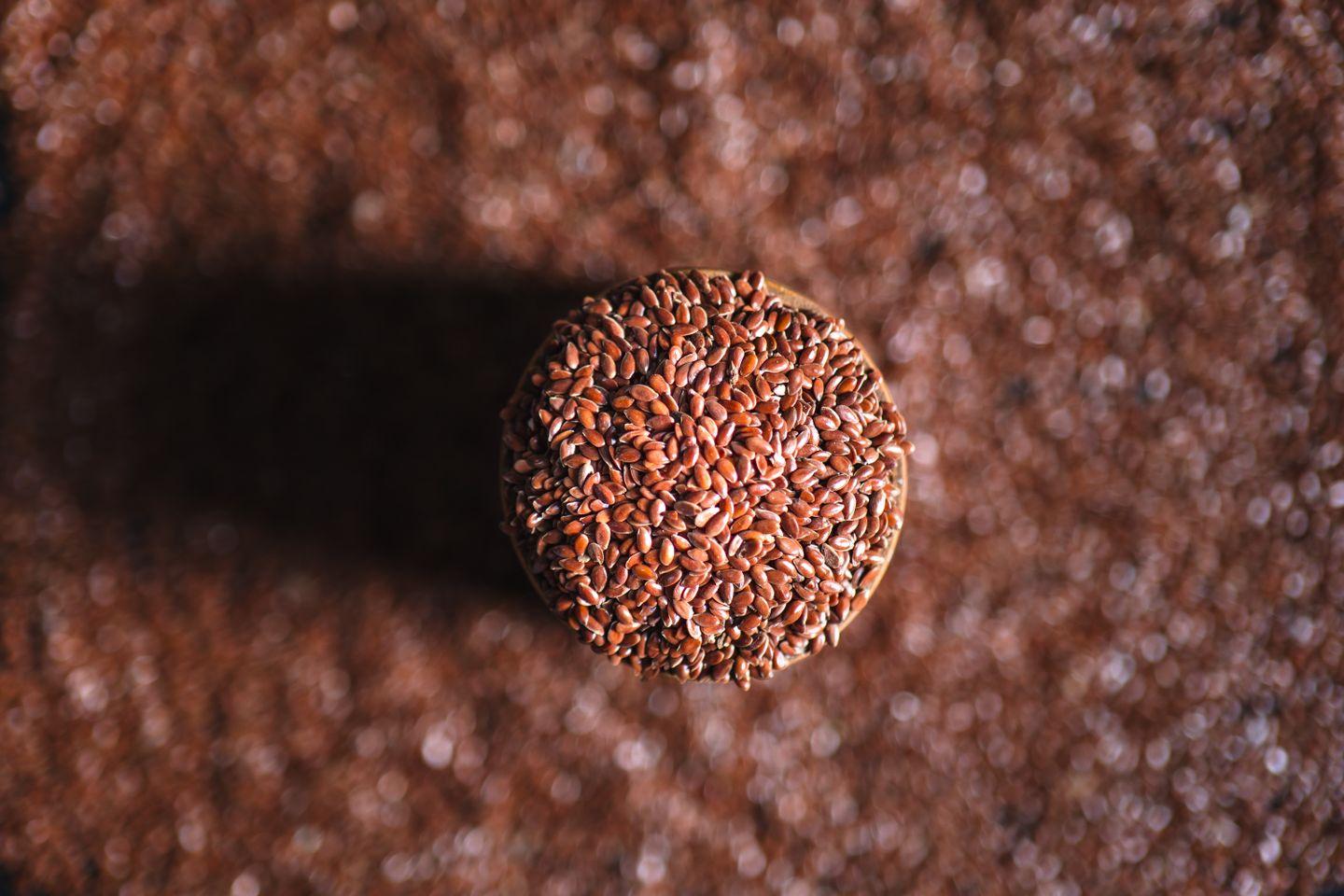
Flax hull fibre is a term that may describe fibre-rich fractions from flaxseed processing; commercial composition depends on the separation method and may include hull, mucilage and residual…