Ingredient Decoded / Fats And Essential Fatty Acids
Borage Seed Oil
Borage seed oil is obtained from the seeds of Borago officinalis. It is one of the richer plant sources of gamma-linolenic acid (GLA), an omega-6 fatty acid involved in the body's production…
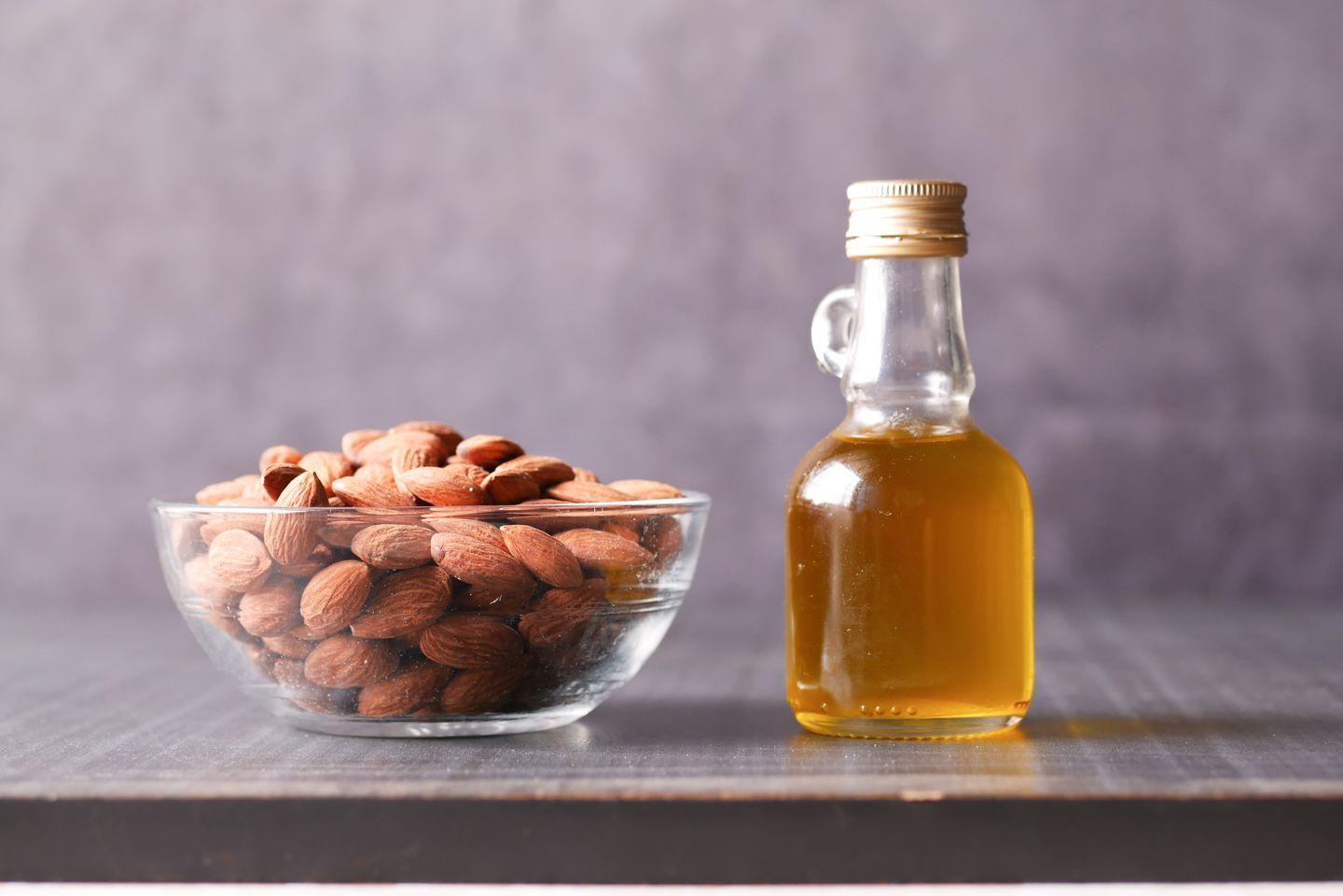
Borage seed oil is obtained from the seeds of Borago officinalis. It is one of the richer plant sources of gamma-linolenic acid (GLA), an omega-6 fatty acid involved in the body's production of signalling molecules. It is used in some pet supplements, particularly those marketed for skin and coat support.
Why is GLA relevant?
Fatty acids help maintain cell membranes and the skin barrier. GLA can be converted into longer-chain fatty acids that participate in inflammatory signalling. This provides a biological rationale for studying GLA-containing oils in skin health. It does not mean that borage oil has been proven to treat allergies, dermatitis or other inflammatory diseases in pets.
Use in dogs and cats
Dogs and cats need dietary fatty acids, but clinical evidence for borage oil as a stand-alone treatment is limited. Some research has evaluated combinations of fatty acids rather than borage oil alone. Consequently, an improvement seen with a multi-ingredient product cannot automatically be attributed to GLA or borage oil.
Cats have distinct fatty-acid metabolic requirements. Products and doses should therefore be selected for the species rather than transferred from dog recommendations.
Quality matters
Borage oil should be made from appropriately processed seed material. Borage plants can contain pyrrolizidine alkaloids, a group of compounds that can be toxic to the liver. Properly manufactured seed oil should be controlled for contamination, but pet parents should choose products from manufacturers that provide credible quality and safety information. Do not use homemade preparations or products of uncertain origin.
Safety
As with other oils, borage oil is calorie dense and may cause loose stools or vomiting. Discuss use with a veterinarian if the pet has liver disease, a bleeding disorder, is taking medication, or is scheduled for surgery.
The takeaway
Borage seed oil is a concentrated source of GLA, but its therapeutic value in dogs and cats is not firmly established. Product purity is especially important. It should be considered only as a veterinarian-approved nutritional adjunct, not as a replacement for diagnosing and treating skin disease.
References
National Research Council. Nutrient Requirements of Dogs and Cats. National Academies Press, 2006.
Hemp seed oil is pressed from the seeds of the hemp plant (Cannabis sativa). It contains polyunsaturated fatty acids, particularly linoleic acid (LA) and alpha-linolenic acid (ALA). It is…
2 min read
Ingredient Decoded / Fats And Essential Fatty Acids
Blackcurrant seed oil contains several polyunsaturated fatty acids, including linoleic acid, alpha-linolenic acid and gamma-linolenic acid (GLA), in proportions that vary by cultivar and…
1 min read
Ingredient Decoded / Fats And Essential Fatty Acids
Pomegranate seed oil is extracted from Punica granatum seeds and is notable for its conjugated fatty acid, punicic acid. Its composition differs from pomegranate juice and peel extracts.…