Food Oxidation and Rancidity: Why Fats in Pet Food Deteriorate
Fats supply energy and essential fatty acids, but they can deteriorate when exposed to oxygen, heat and light. This process is called oxidation. As fats break down, food may develop rancid…
Fats supply energy and essential fatty acids, but they can deteriorate when exposed to oxygen, heat and light. This process is called oxidation. As fats break down, food may develop rancid odours and lose nutritional quality.
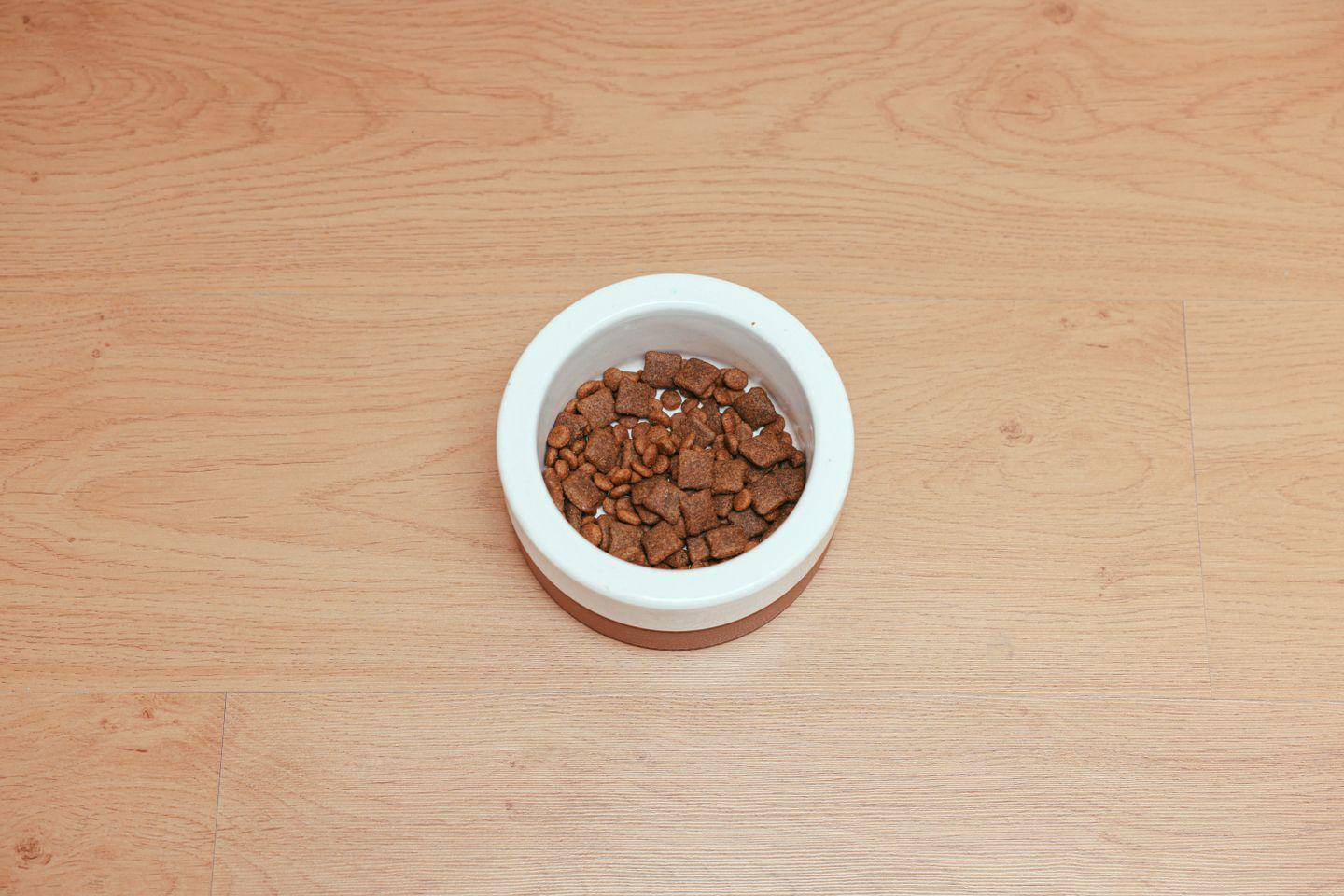
Dry feeds, seeds, nuts, fish foods and treats can all contain fats that are vulnerable to oxidation. Products rich in unsaturated fats may be particularly sensitive. Rancidity is not always obvious at first, so packaging, storage and shelf life matter.
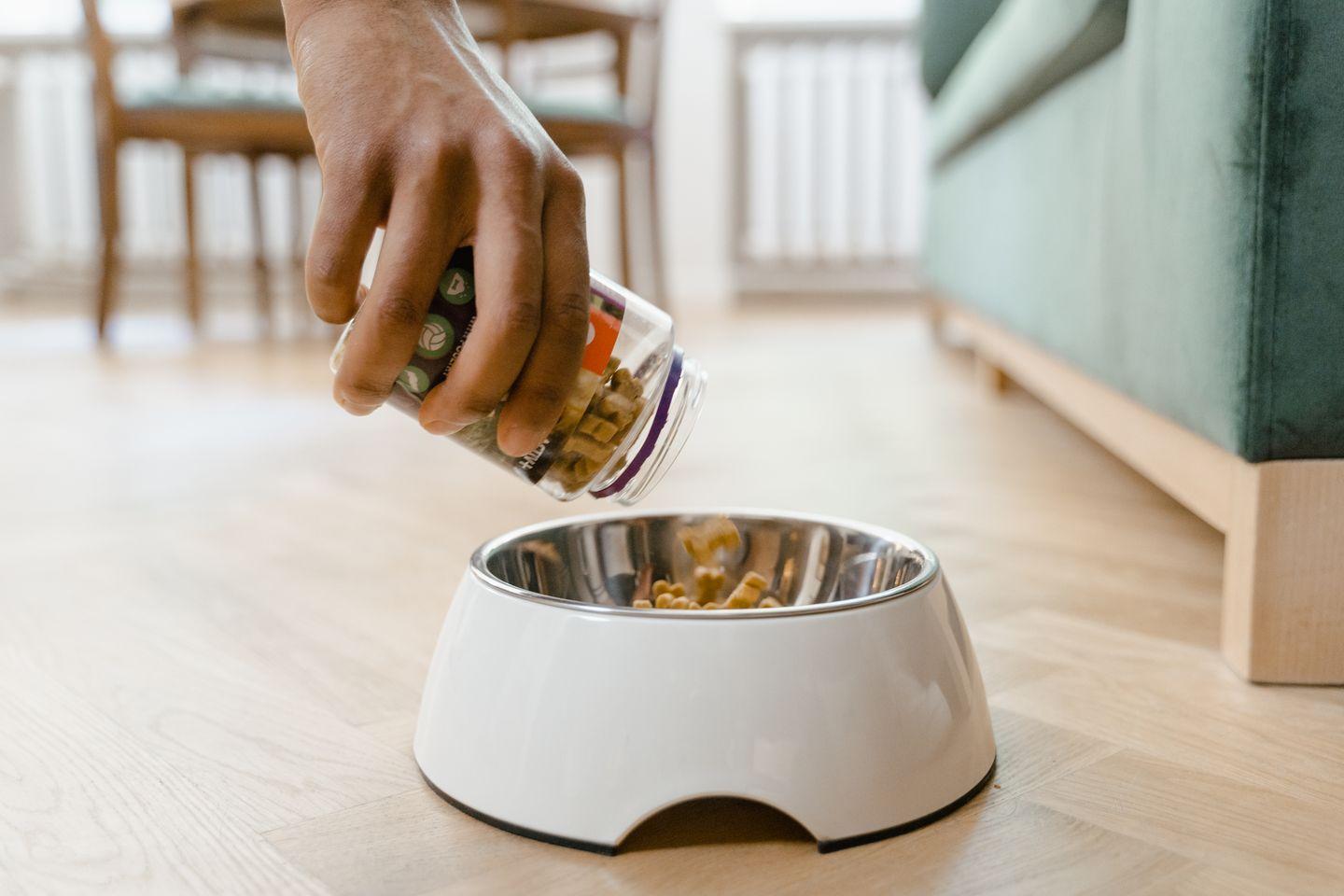
Buy products in quantities that can be used within the manufacturer’s recommended period. Keep bags closed, protect them from sunlight and heat, and avoid storing them near ovens, windows or damp areas. Use a clean, dry scoop. Do not leave a container open while feeding several animals.
The original packaging may be designed to limit exposure to oxygen and moisture. If food is transferred to another container, retain the label and batch information. Clean and dry the container before refilling, and do not mix old and new food.
A rancid smell, unusual taste, colour change or oily residue can indicate deterioration, but absence of these signs does not prove freshness. If food smells stale or rancid, discard it rather than masking the odour with fresh feed.
Oxidation can affect palatability and nutrient stability. The effect on an animal depends on the food, the degree of deterioration and the amount consumed. Do not add household oils or antioxidant supplements to compensate.
Different species use different commercial feeds, and fish flakes, bird seed, rodent pellets and reptile diets should not be stored as though they were identical. Follow the manufacturer’s instructions for each product.
References
Merck Veterinary Manual, “Mice and Rats as Pets” (2026).
Colours and flavourings can make commercial feeds look or smell more appealing to people or animals. Their presence does not tell us whether a food is nutritionally complete, digestible or…
A pet that develops itching, vomiting, diarrhoea or food refusal after eating may be experiencing an adverse food reaction. However, not every digestive upset is an allergy, and not every…
Groundnuts and maize are common ingredients in Indian food and may also appear in animal feeds, seed mixes and treats. Both can be contaminated by aflatoxins, toxic compounds produced by…