Food Safety: Aflatoxins, Mould and Contamination in Indian Conditions
The Indian climate can make pet-food storage challenging. Heat, humidity, monsoon moisture, insects and poor packaging can damage grains, nuts, seeds and commercial feeds. For rats and mice,…
The Indian climate can make pet-food storage challenging. Heat, humidity, monsoon moisture, insects and poor packaging can damage grains, nuts, seeds and commercial feeds. For rats and mice, a small quantity of contaminated food can still matter because these animals are small and may eat from the same batch repeatedly.
Aflatoxins are toxic substances produced by certain moulds, especially Aspergillus species. Groundnuts and maize are recognised risk commodities, but other grains and nuts can also be affected. Mycotoxins may be present even when obvious mould is not visible, and some survive normal food processing. Never assume that roasting, washing or removing a visible patch makes a suspect batch safe.
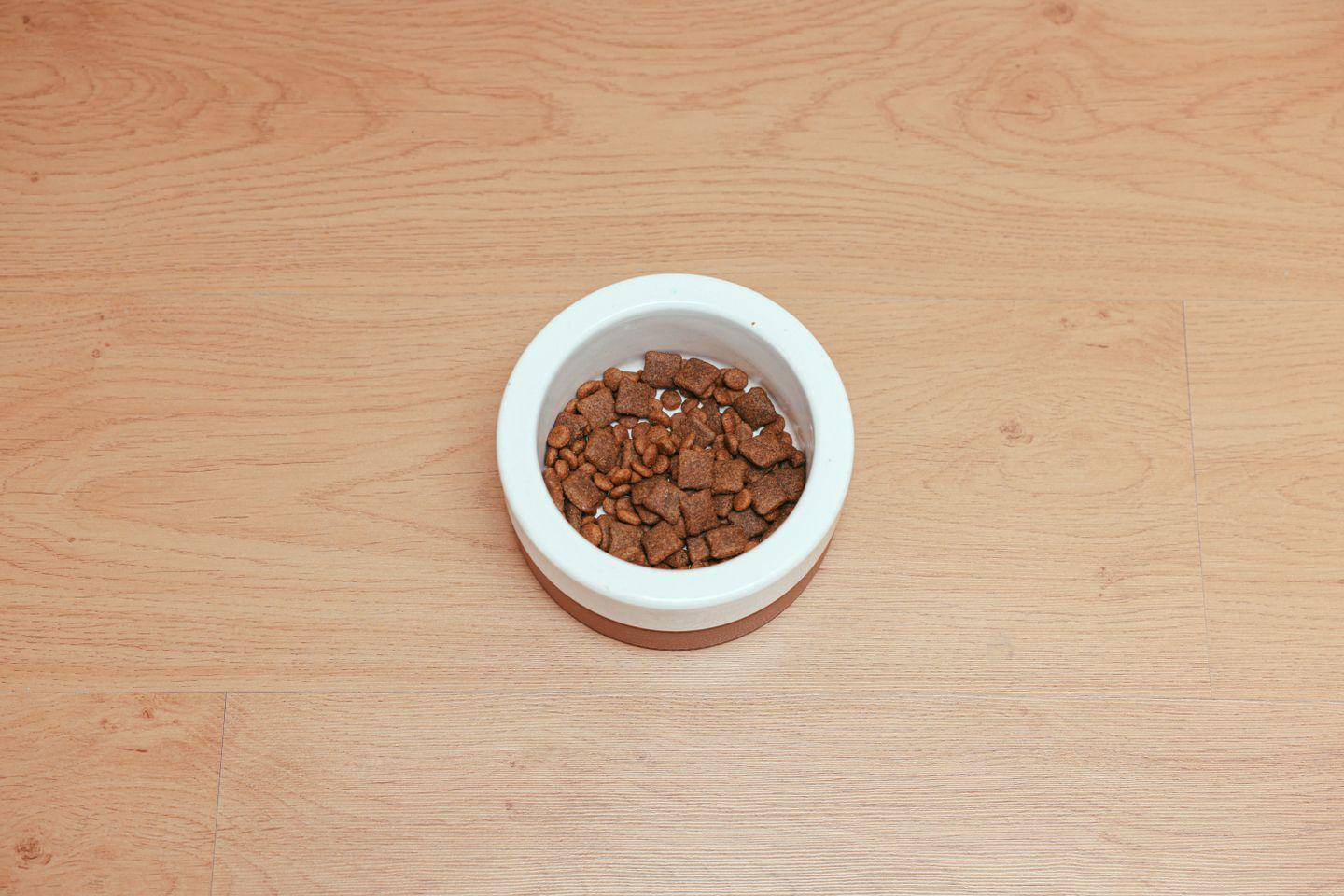
Buy feed and ingredients in manageable quantities. Check seals, batch numbers, manufacturing and best-before dates. Store products in clean, dry, pest-resistant containers, away from direct sunlight, damp walls and kitchen steam. Do not pour new feed onto old residue. Clean containers before refilling and discard stock that smells musty, feels damp or shows insects, webbing, clumping or discolouration.
Fresh vegetables and cooked extras need separate care. Wash produce, use clean utensils and remove leftovers before they spoil. Do not store wet vegetables in the cage. Keep feed away from cleaning chemicals, pesticides, incense, rodenticides and household contaminants.
FSSAI contaminant limits apply to the food categories specified in the relevant Indian regulations. They should not be treated as a universal safety threshold for every animal species or every feed category. An FSSAI licence or logo is not proof that a product is a nutritionally complete veterinary diet.
When in doubt, discard questionable food. The cost of replacing a small packet is lower than the risk of feeding a contaminated batch.
Sprouted moong and other pulses are familiar foods in India. Sprouting changes the composition of a seed, but it also creates warm, moist conditions in which harmful bacteria can multiply.…
Colours and flavourings can make commercial feeds look or smell more appealing to people or animals. Their presence does not tell us whether a food is nutritionally complete, digestible or…
A pet that develops itching, vomiting, diarrhoea or food refusal after eating may be experiencing an adverse food reaction. However, not every digestive upset is an allergy, and not every…