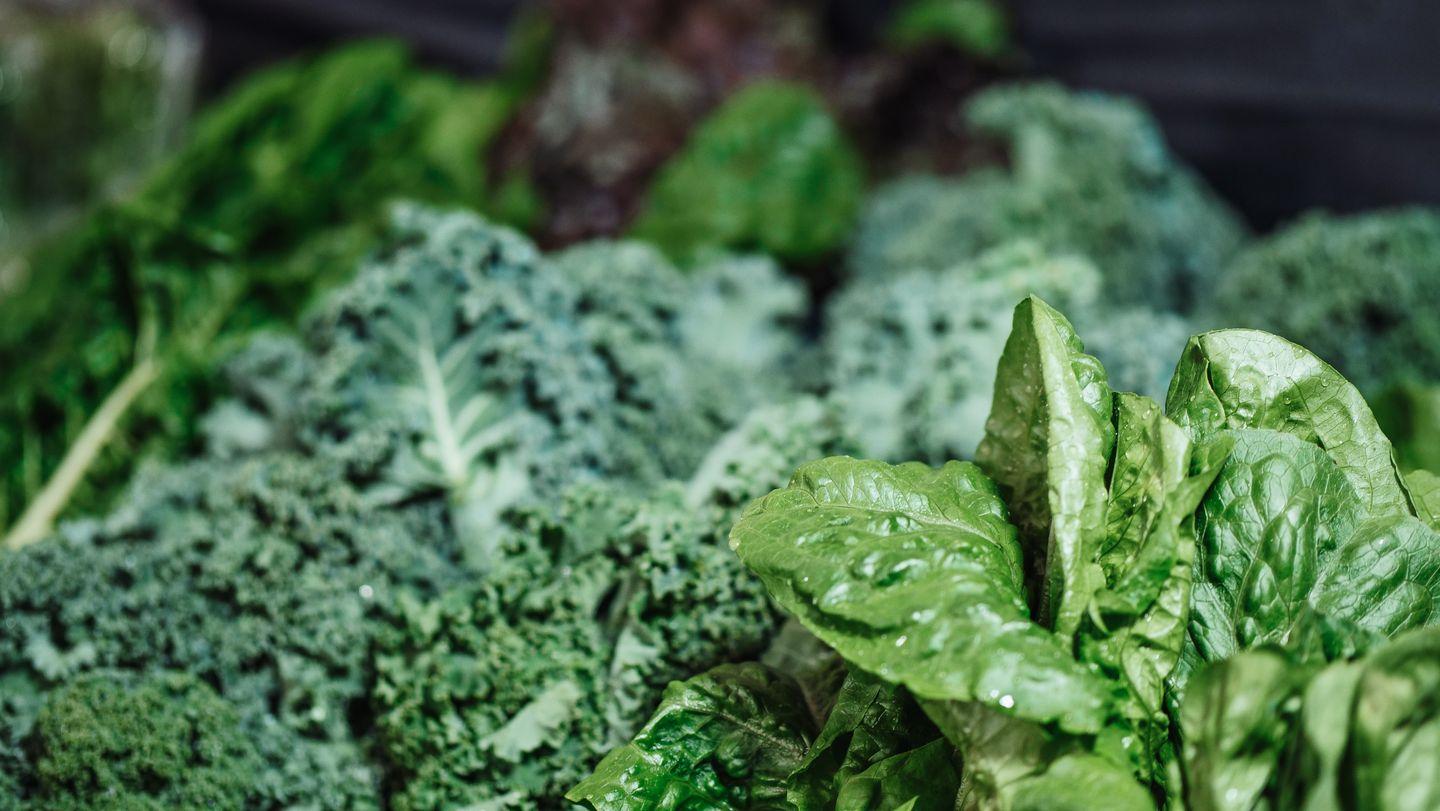
Spinach contains vitamin C and other nutrients, but it is also a relatively calcium-rich leafy vegetable. Veterinary feeding guidance advises that high-calcium greens such as spinach should…
Spinach contains vitamin C and other nutrients, but it is also a relatively calcium-rich leafy vegetable. Veterinary feeding guidance advises that high-calcium greens such as spinach should not be given frequently. It should not be a daily staple, particularly for an animal with a history of urinary disease. Offer a varied selection of suitable greens instead. Urinary stones and sludge are multifactorial; calcium intake is only one part of the picture, and owners should not attempt to prevent or treat stones by removing a single vegetable. Straining to urinate, blood in urine or reduced urine output requires prompt veterinary assessment.
References
MSD Veterinary Manual, Diet for a Guinea Pig (reviewed October 2025); MSD Veterinary Manual, Nutritional Problems of Guinea Pigs (reviewed October 2025); Dadah et al., Journal of Exotic Pet Medicine (2025), doi:10.1053/j.jepm.2025.07.005.
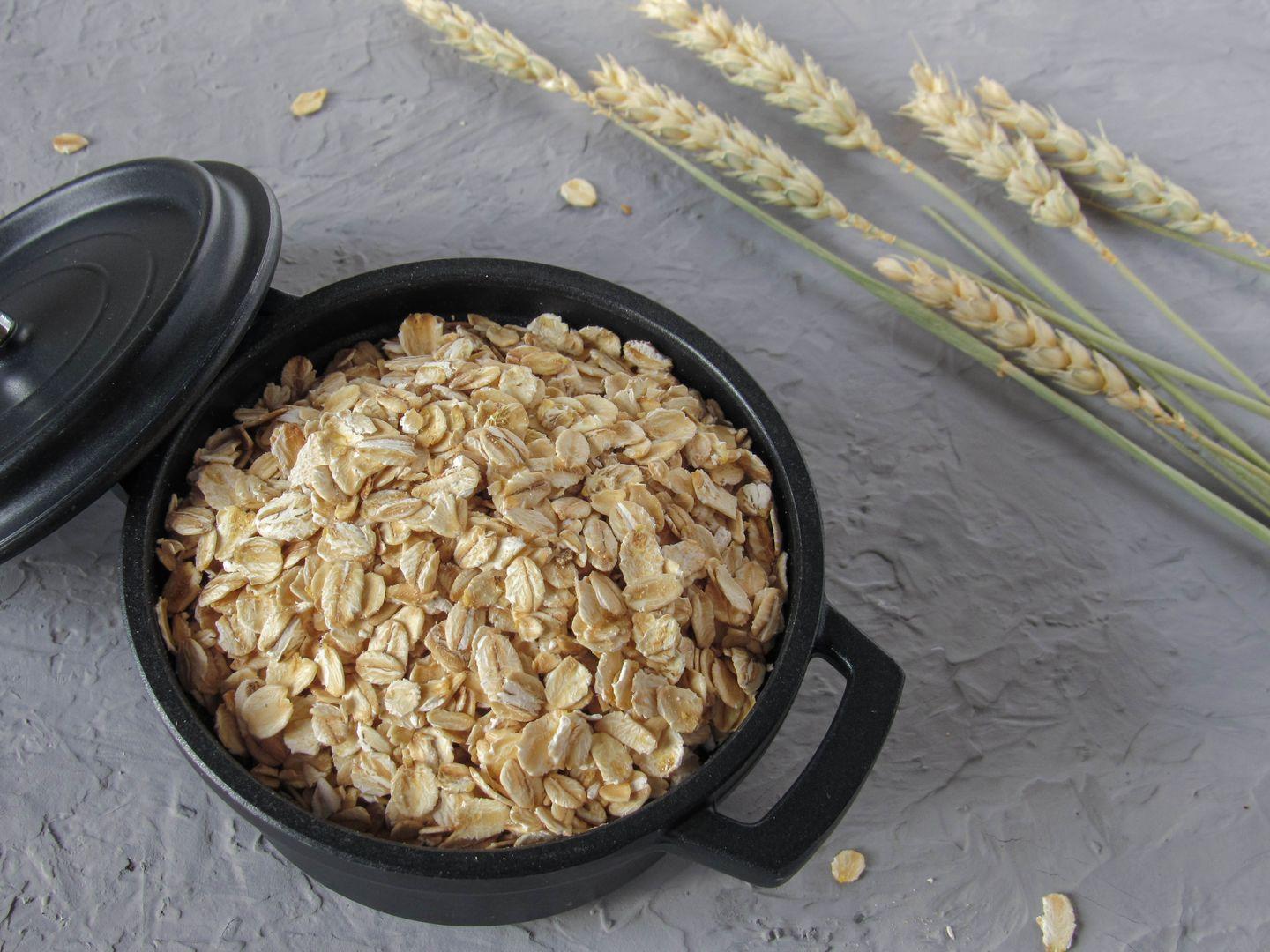
Oat groats and rolled oats are grains, not substitutes for grass hay. They contain starch and energy, and routine additions can displace the high-fibre forage guinea pigs need. Plain human…
Wheatgrass is the young shoot of wheat and is grown or sold in some Indian cities. A small amount of clean, pesticide-free whole wheatgrass may be offered as a fresh green, but there is…
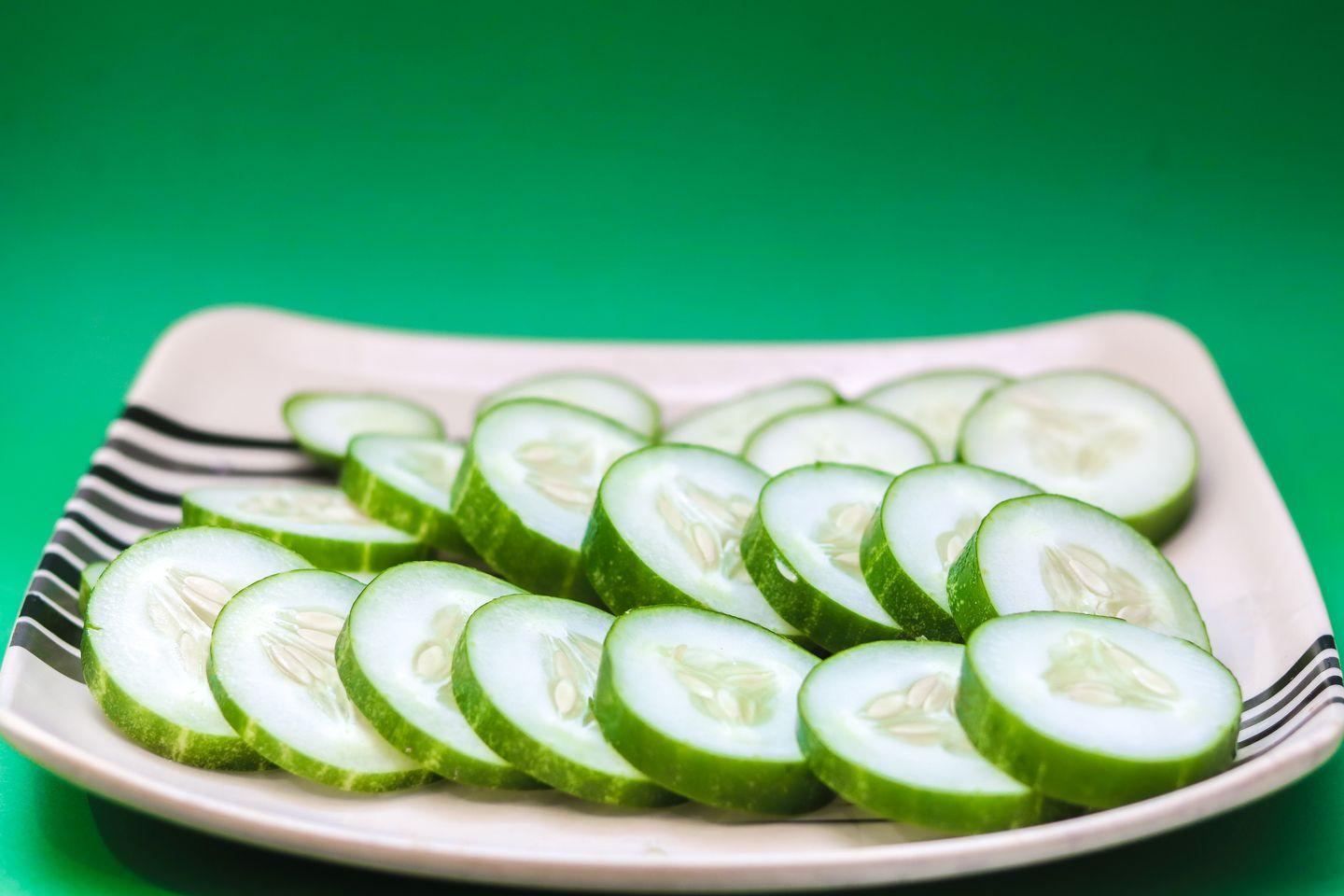
Cucumber is a familiar Indian vegetable that can be offered in small portions. It contains substantial water but does not replace drinking water or fibre-rich forage. Wash it, serve a small…