Almonds contain fat, protein and fibre, but are highly energy-dense for a small animal and are not a necessary part of a hamster’s diet. If offered, use a tiny piece of plain, unsalted sweet…
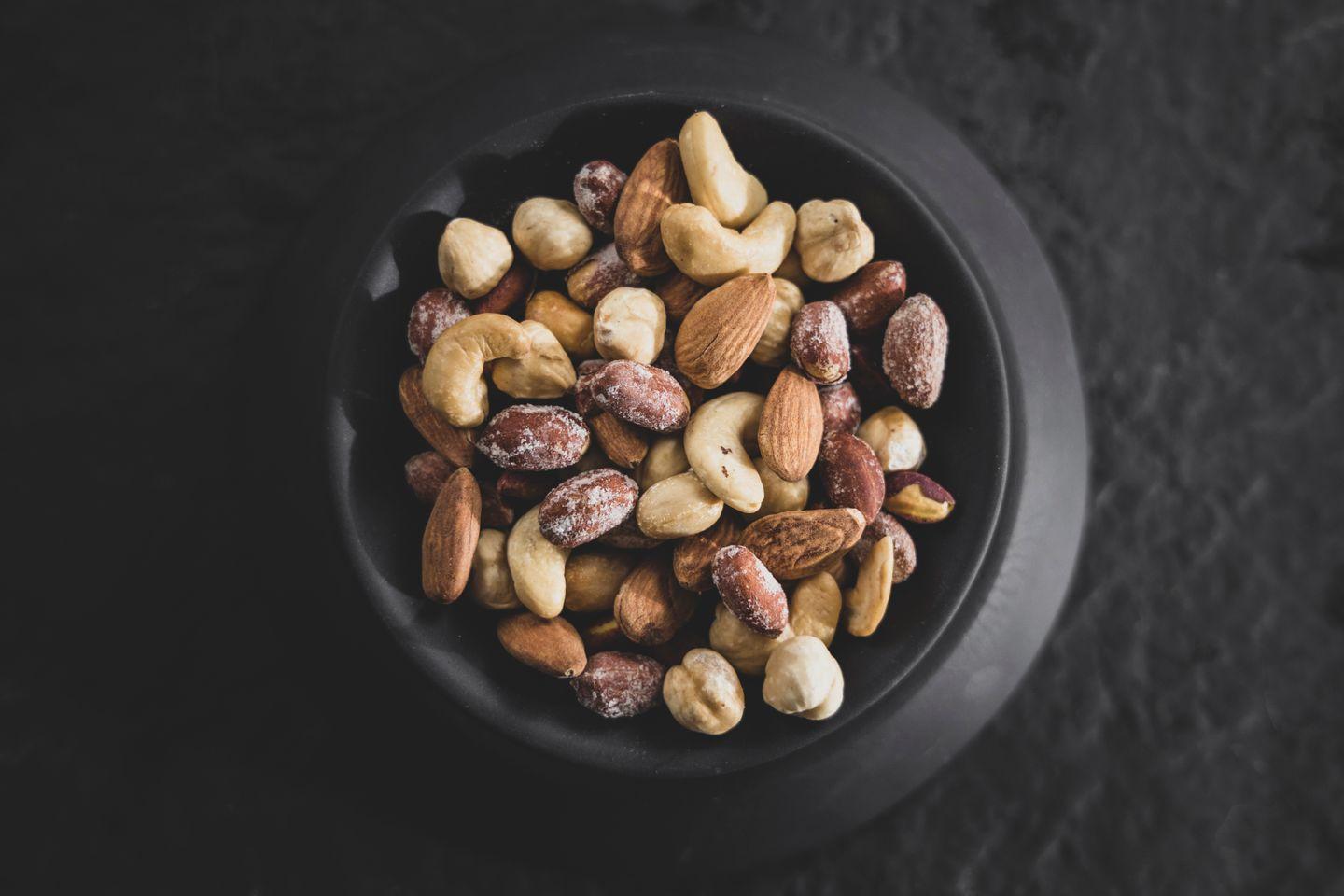
Almonds contain fat, protein and fibre, but are highly energy-dense for a small animal and are not a necessary part of a hamster’s diet. If offered, use a tiny piece of plain, unsalted sweet almond, not a whole handful. Bitter almonds should never be offered because they can contain cyanogenic compounds. Avoid salted, flavoured, chocolate-coated or sweetened almonds. Store nuts dry and cool, and discard any with rancid or mouldy odour. No established clinical benefit supports almond supplementation in hamsters.
References
Merck Veterinary Manual, Nutrition in Rodents and Small Mammals; food-safety references on cyanogenic glycosides in bitter almonds.
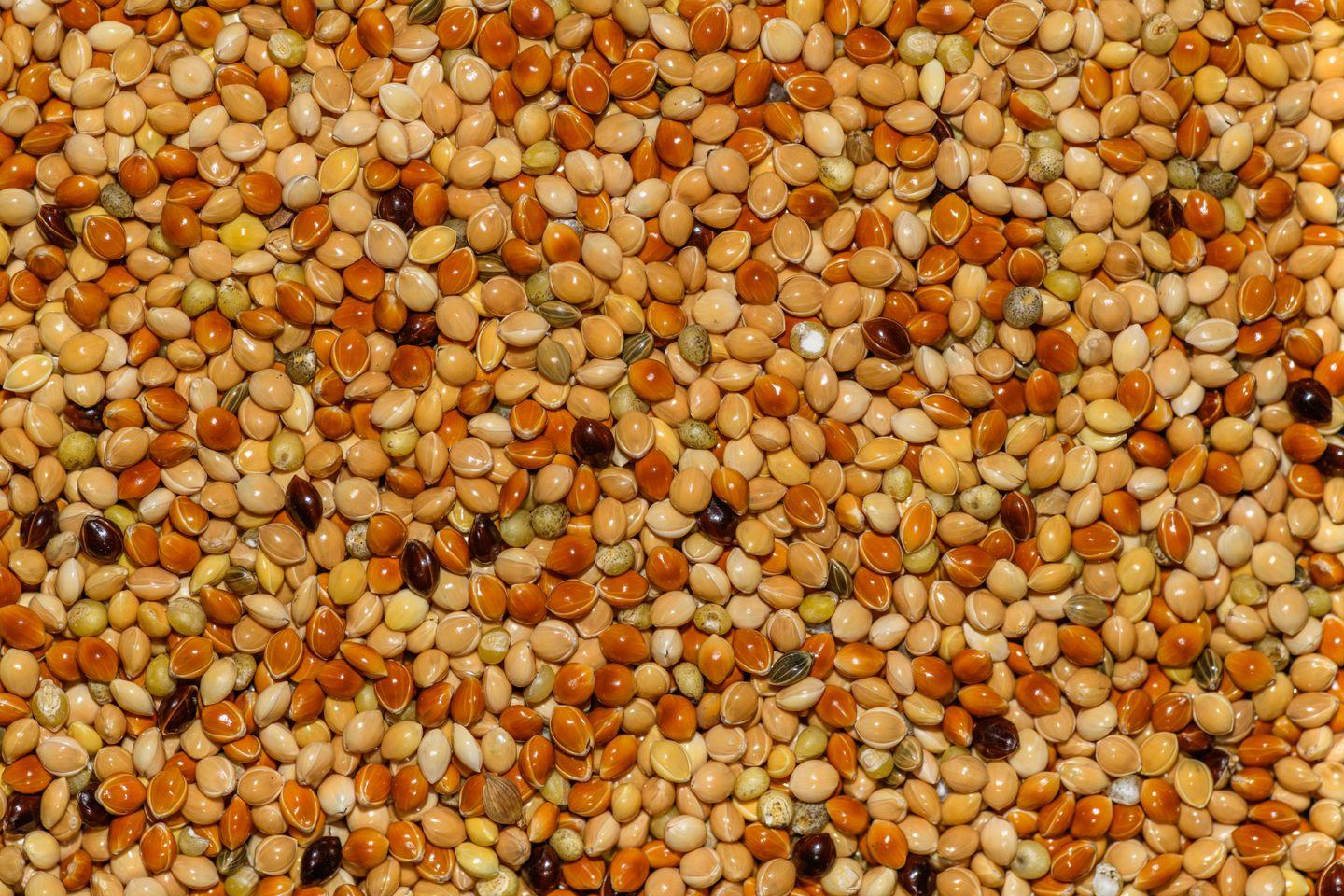
Finger millet, or ragi, is a familiar Indian cereal containing starch, fibre and minerals, including calcium. It is not a complete hamster food, and there is little clinical evidence…
Sorghum, or jowar, is a widely cultivated Indian grain. It provides starch and plant protein, but composition varies with variety and processing. It is not a complete hamster diet and should…
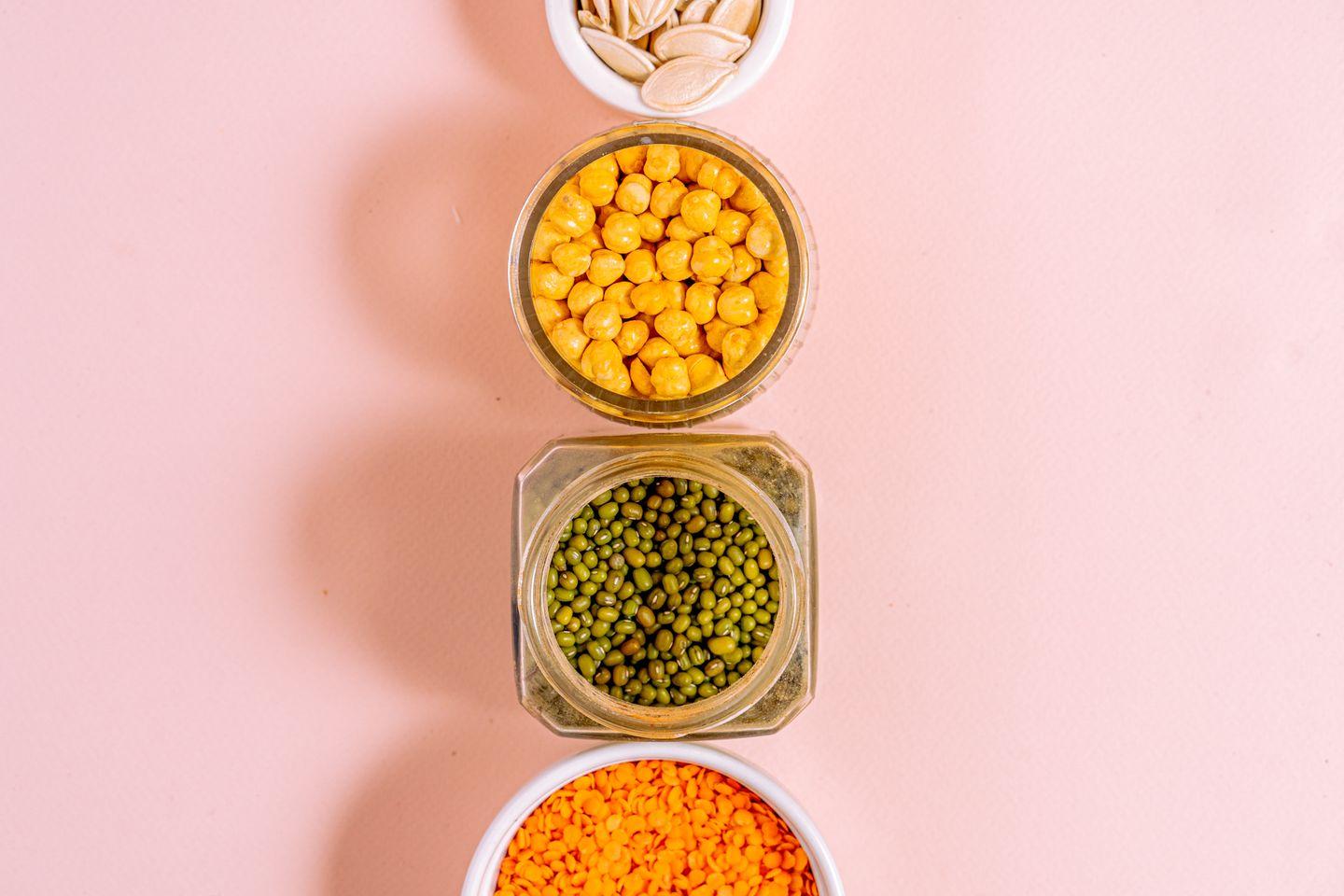
Lentils provide plant protein and starch, but cooked human dal usually contains salt, spices, oil, onion or garlic and is not suitable hamster food. Raw dried lentils are hard and are not a…