Ingredient Decoded / Marine And Aquatic Ingredients
Enzymatically Hydrolysed Seaweed
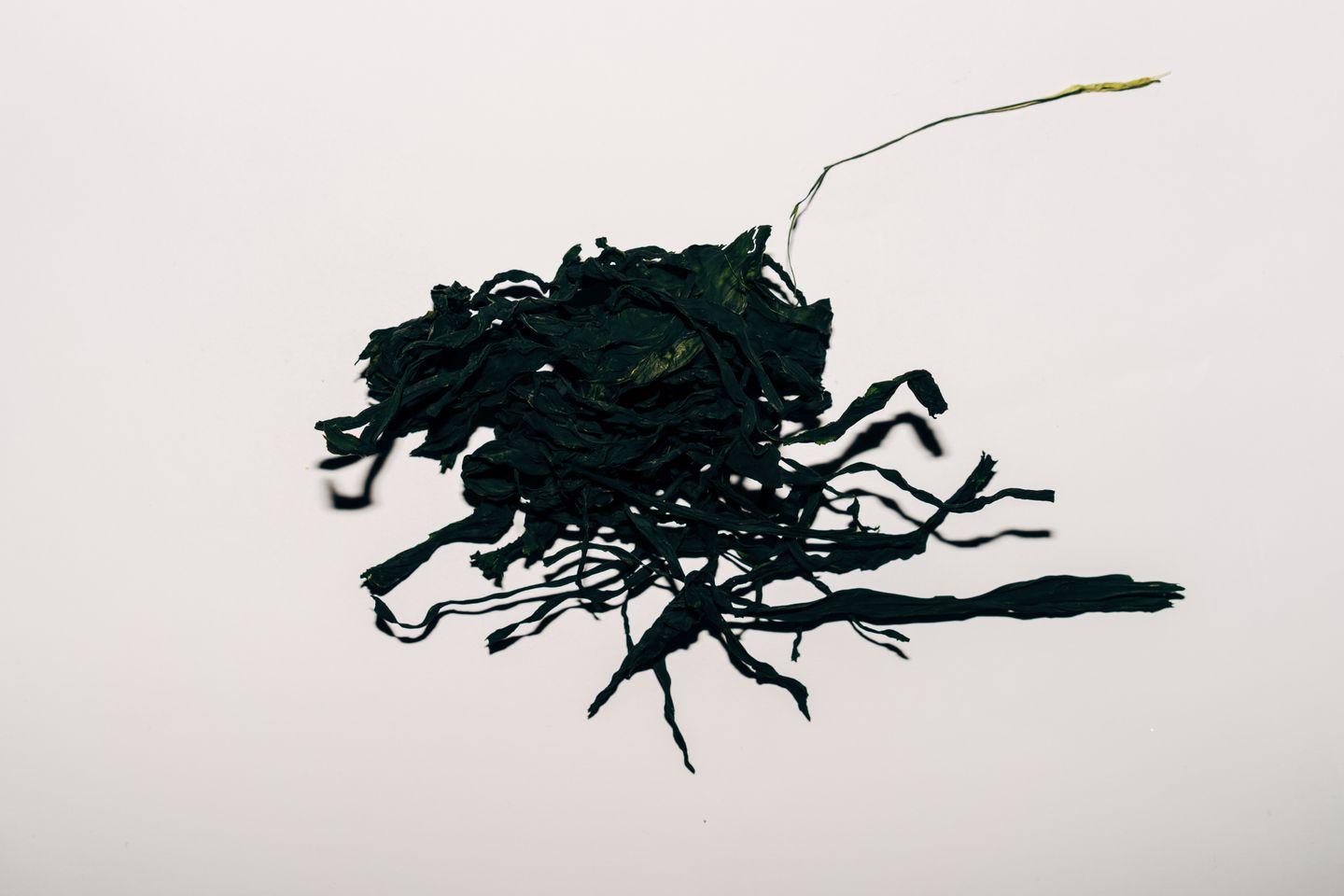
Enzymatically hydrolysed seaweed is produced by treating seaweed biomass with enzymes to break down selected structural components. Hydrolysis can change molecular size, solubility and…
Enzymatically hydrolysed seaweed is produced by treating seaweed biomass with enzymes to break down selected structural components. Hydrolysis can change molecular size, solubility and fermentability, so the result is not nutritionally identical to intact seaweed powder. A study in kittens has examined an enzymolysed seaweed ingredient and reported changes in selected gut microbial populations. Such microbiome changes are exploratory outcomes and do not, by themselves, demonstrate improved clinical health, disease prevention or longer life. The source seaweed, enzyme process, iodine and contaminant levels, and actual oligosaccharide profile should be disclosed and assessed.
References: Published kitten feeding study of enzymolysed seaweed powder (ingredient-specific trial); reviews of seaweed polysaccharide hydrolysis. Interpret microbiome outcomes as exploratory, not proof of clinical benefit.
Ulva species, sometimes called sea lettuce, are green seaweeds used in food and feed research. Their biomass can supply protein, fibre, minerals and sulphated polysaccharides such as ulvan.…
1 min read
Ingredient Decoded / Marine And Aquatic Ingredients
Fucoidan is a collective term for structurally diverse sulphated polysaccharides found in brown seaweeds. Composition and biological activity vary with seaweed species, harvest conditions…
1 min read
Ingredient Decoded / Marine And Aquatic Ingredients
Palmaria palmata, known as dulse, is a red seaweed containing protein, minerals, fibre and pigments. Its composition varies with harvest conditions and processing. It can contain iodine and…