Ingredient Decoded / Marine And Aquatic Ingredients
Spirulina: Understanding Its Nutritional Value in Animal Diets
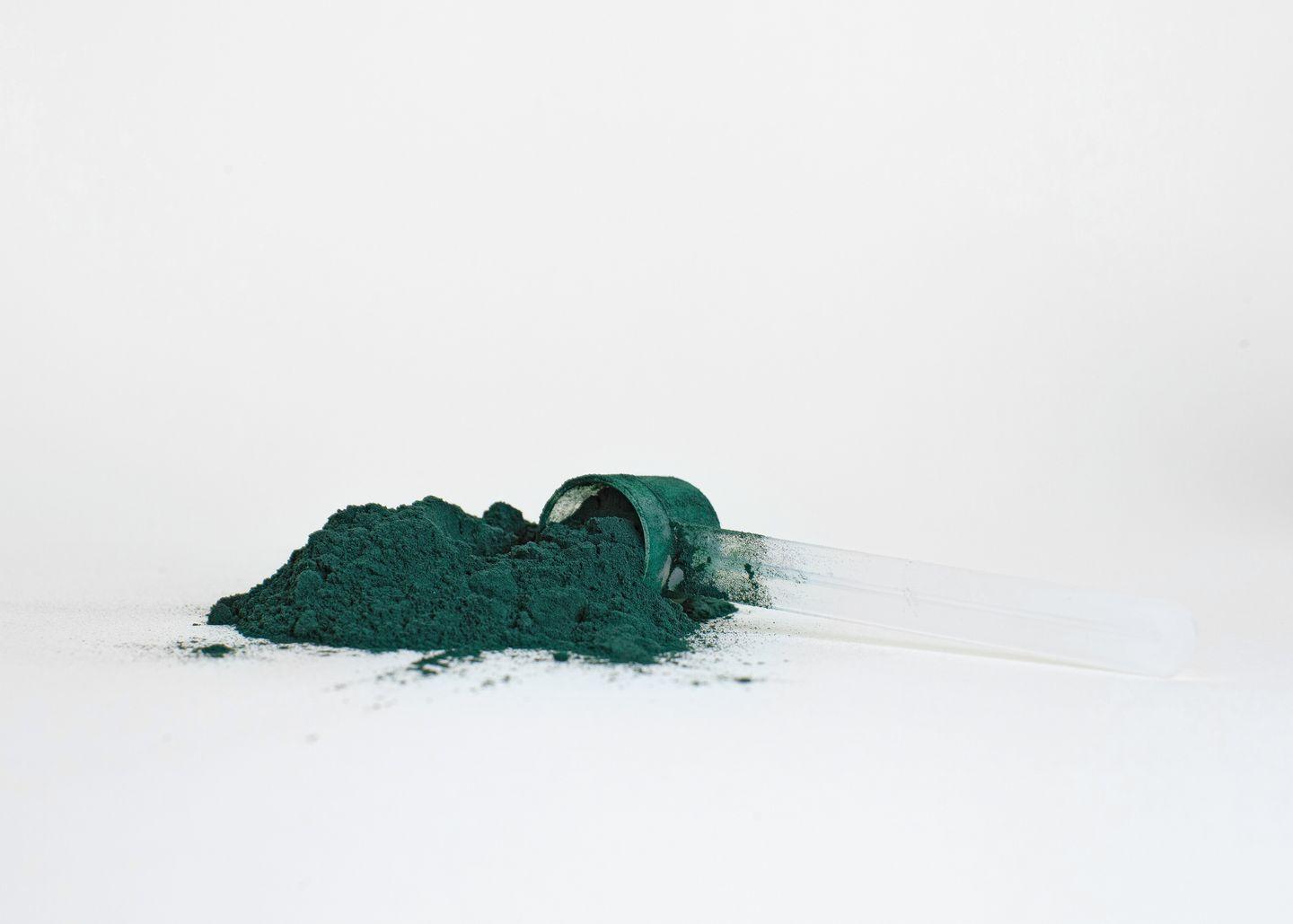
A blue-green powder appearing in animal food and supplements may look like an unusual addition, but spirulina has become an increasingly recognised ingredient in animal nutrition.
A blue-green powder appearing in animal food and supplements may look like an unusual addition, but spirulina has become an increasingly recognised ingredient in animal nutrition.
Derived from microscopic photosynthetic microorganisms, spirulina is valued for its protein content, pigments and other nutrients. It is used in products for several animal groups, although its nutritional contribution varies with the species and formulation.
What is spirulina?
Spirulina is the common commercial name for certain edible photosynthetic cyanobacteria, particularly species of the genera Arthrospira.
It contains protein and amino acids, phycocyanin pigments, carotenoids, certain vitamins, minerals and other bioactive compounds. Its nutritional composition depends on cultivation and processing conditions.
Why is it used in animal nutrition?
Spirulina is used as a supplementary ingredient because of its nutrient density and distinctive pigments. Its applications include supplementary protein in selected animal foods, pigmentation support in aquaculture, nutrient enrichment in certain bird diets, and functional ingredients in selected dog and cat products.
Which animals can benefit?
In aquaculture, spirulina has been investigated as a partial alternative protein ingredient and a source of pigments. It is also included in some bird foods and pet supplements.
For dogs and cats, it is marketed as a nutritional supplement, although specific health claims require appropriate clinical evidence.
Its use in turtle, tortoise, rabbit and guinea pig diets needs particular consideration of species-specific nutritional requirements.
What should caregivers look for?
Spirulina quality depends on cultivation conditions, contamination controls and processing. Potential concerns include contamination with undesirable cyanobacteria, toxins, heavy metals and microorganisms. Choose products with appropriate quality testing and species-specific feeding guidance.
The takeaway
Spirulina is a nutrient-rich ingredient with interesting applications in animal nutrition, especially aquaculture. Its presence in a product does not automatically make that product nutritionally complete or beneficial for every species.
Fucoidan is a collective term for structurally diverse sulphated polysaccharides found in brown seaweeds. Composition and biological activity vary with seaweed species, harvest conditions…
1 min read
Ingredient Decoded / Marine And Aquatic Ingredients
Palmaria palmata, known as dulse, is a red seaweed containing protein, minerals, fibre and pigments. Its composition varies with harvest conditions and processing. It can contain iodine and…
1 min read
Ingredient Decoded / Marine And Aquatic Ingredients
Tetraselmis is a genus of green microalgae used mainly in aquaculture and investigated as a potential animal-feed ingredient. Its protein, lipid, pigment and mineral composition depends on…