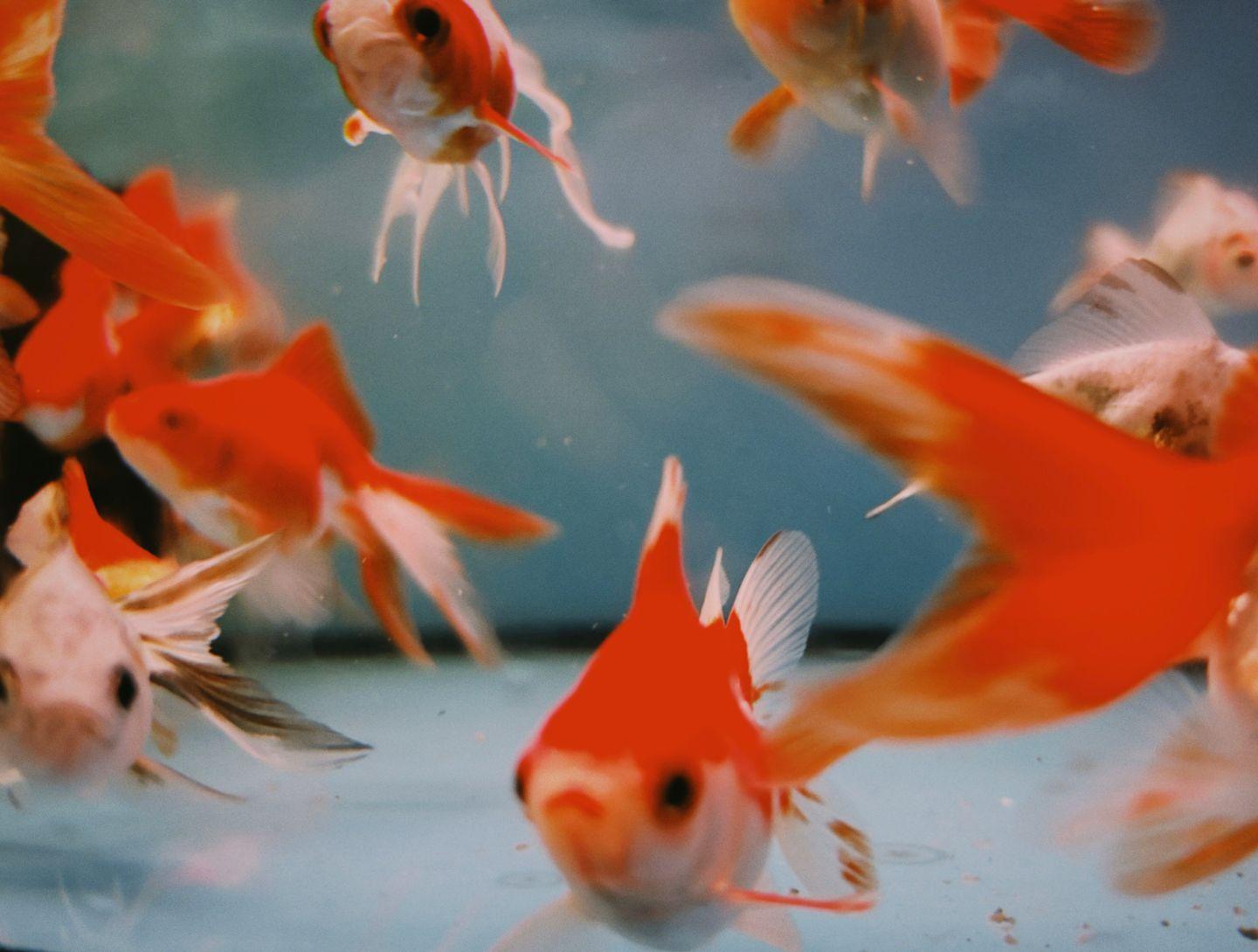
Wheat-germ-based feeds are marketed for some ornamental fish, including koi and goldfish. Wheat germ supplies energy, protein and lipids, but suitability depends on the complete formulation…
Wheat-germ-based feeds are marketed for some ornamental fish, including koi and goldfish. Wheat germ supplies energy, protein and lipids, but suitability depends on the complete formulation and the fish’s temperature, activity and species. A pond-koi product is not automatically suitable for tropical community fish. Feed only what fish consume promptly; uneaten food decomposes and degrades water quality. Protect opened feed from heat, humidity and insects, and follow the manufacturer’s storage directions.
References
ICAR-Central Coastal Agricultural Research Institute, Nutritional Requirements of Ornamental Fish, Technical Bulletin No. 69; Merck Veterinary Manual, “Nutrition in Fish” (reviewed September 2025; updated July 2026); Merck Veterinary Manual, “Nutritional Diseases of Fish”; Yanong, R.P.E. (1999), “Nutrition of Ornamental Fish”, Veterinary Clinics of North America: Exotic Animal Practice 2(1):19–42.
Evidence note: General fish-nutrition and aquaculture sources do not establish a universal inclusion rate or clinical benefit for every ornamental-fish species. Check suitability against the exact species, life stage, feeding ecology and complete diet.
Wheat flour and other starches may be used in extruded or pelletised fish foods as binders and to help maintain pellet structure. Their technological function is not the same as providing an…
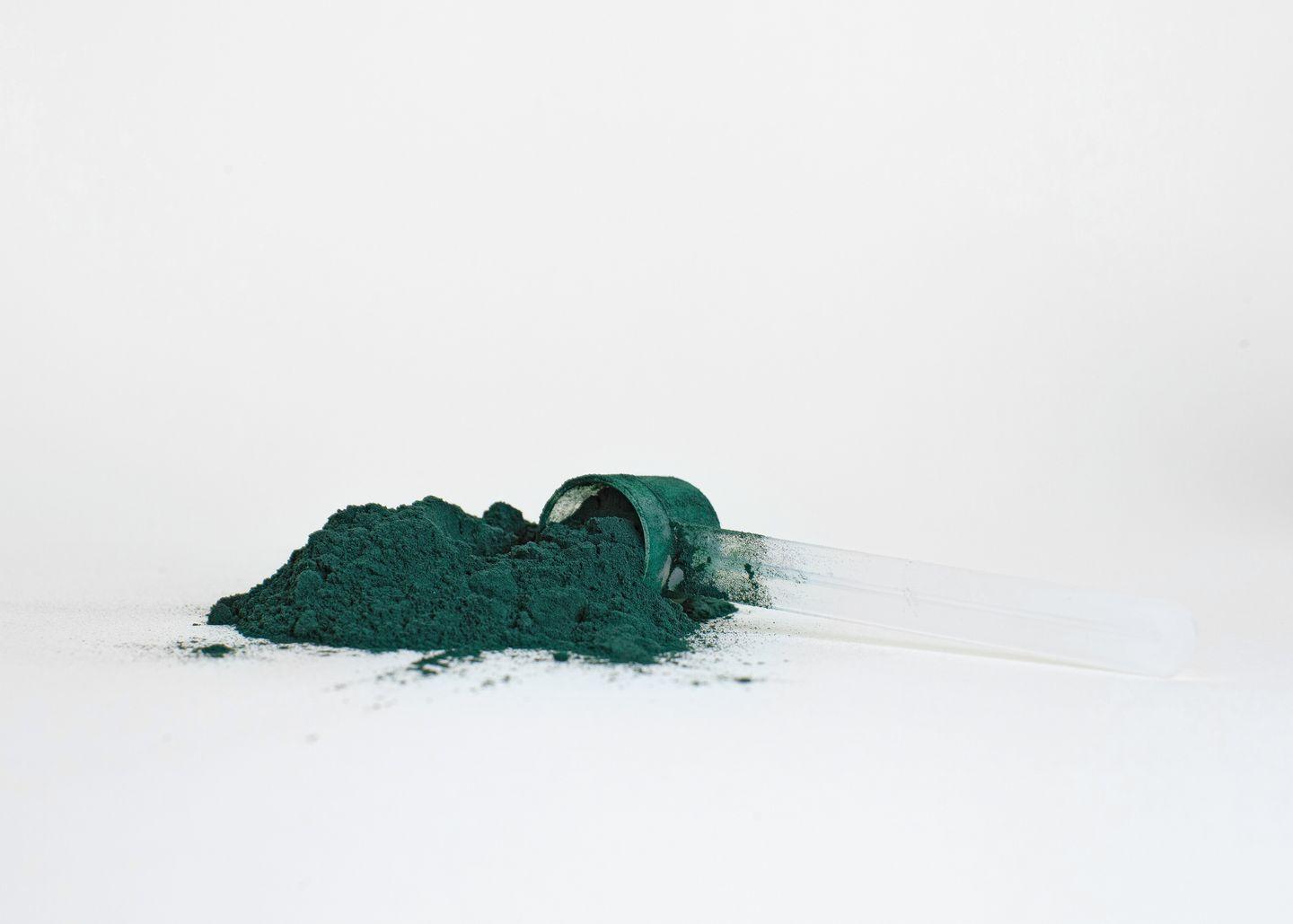
Spirulina is a cyanobacterium used in some ornamental-fish feeds as a source of protein and pigments. Its value depends on the species, processing, inclusion level and complete formulation.…
Daphnia are small planktonic crustaceans used as live or frozen food for many small ornamental fish. They can encourage foraging, but nutrient quality and hygiene vary. Wild-collected…