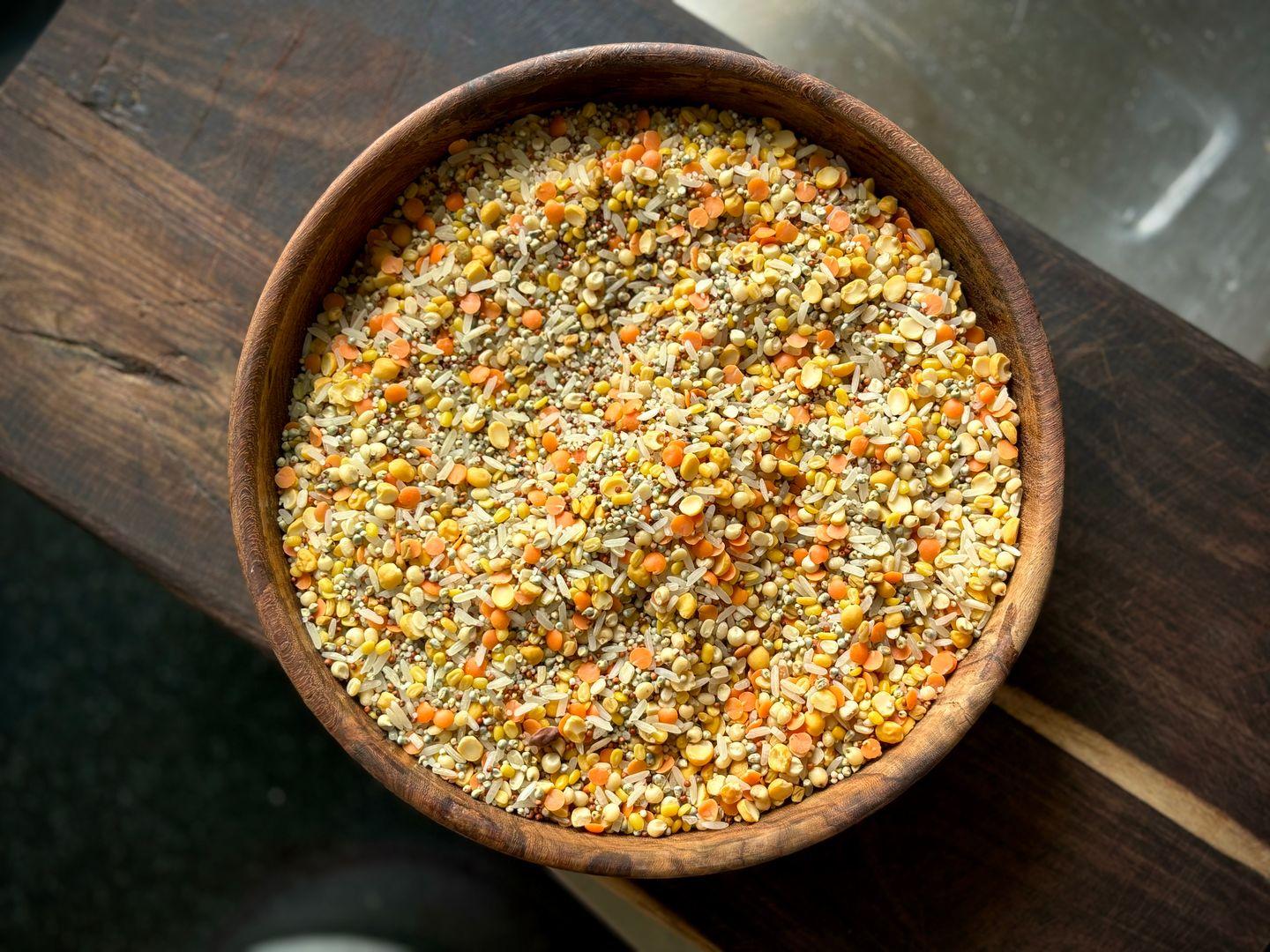
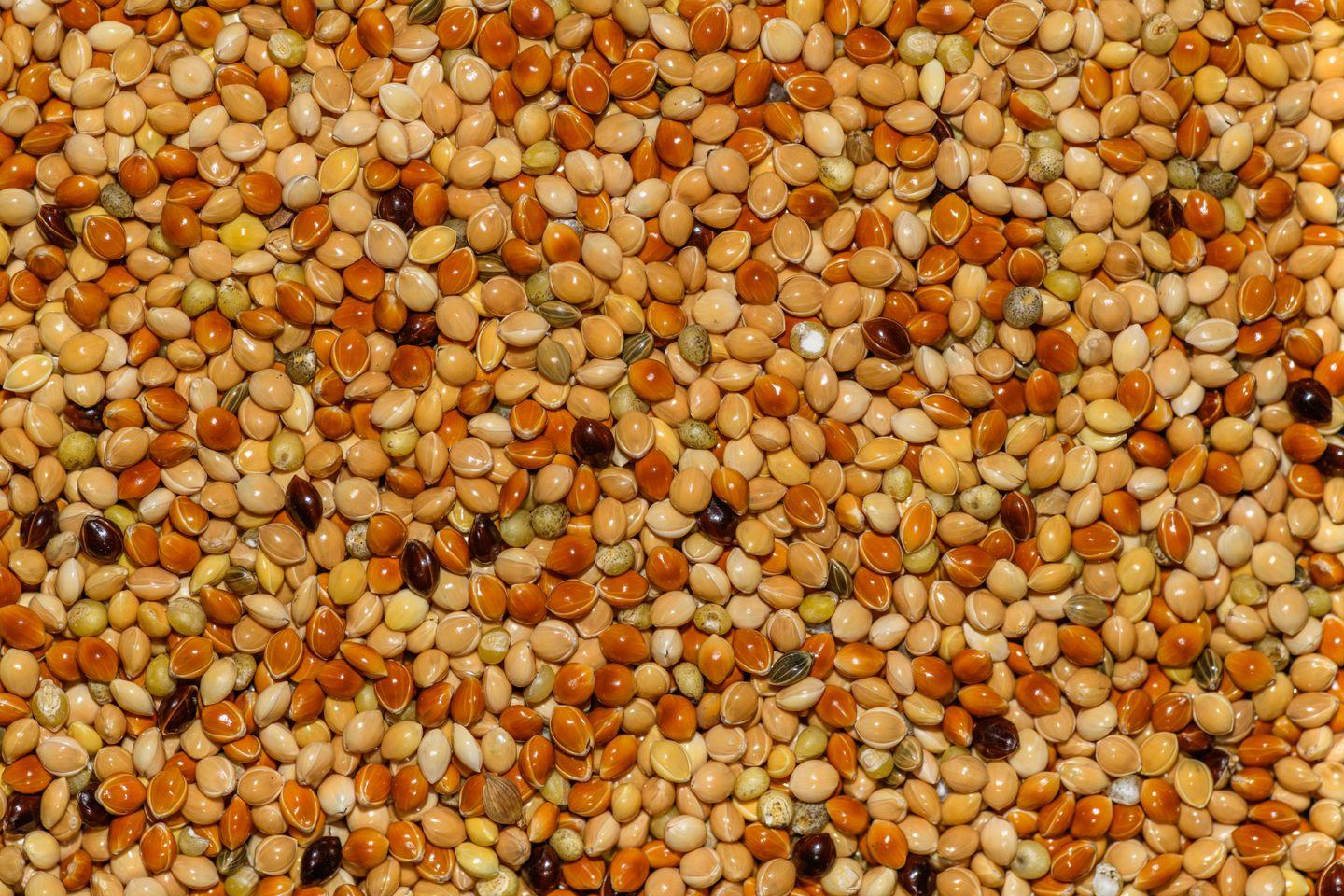
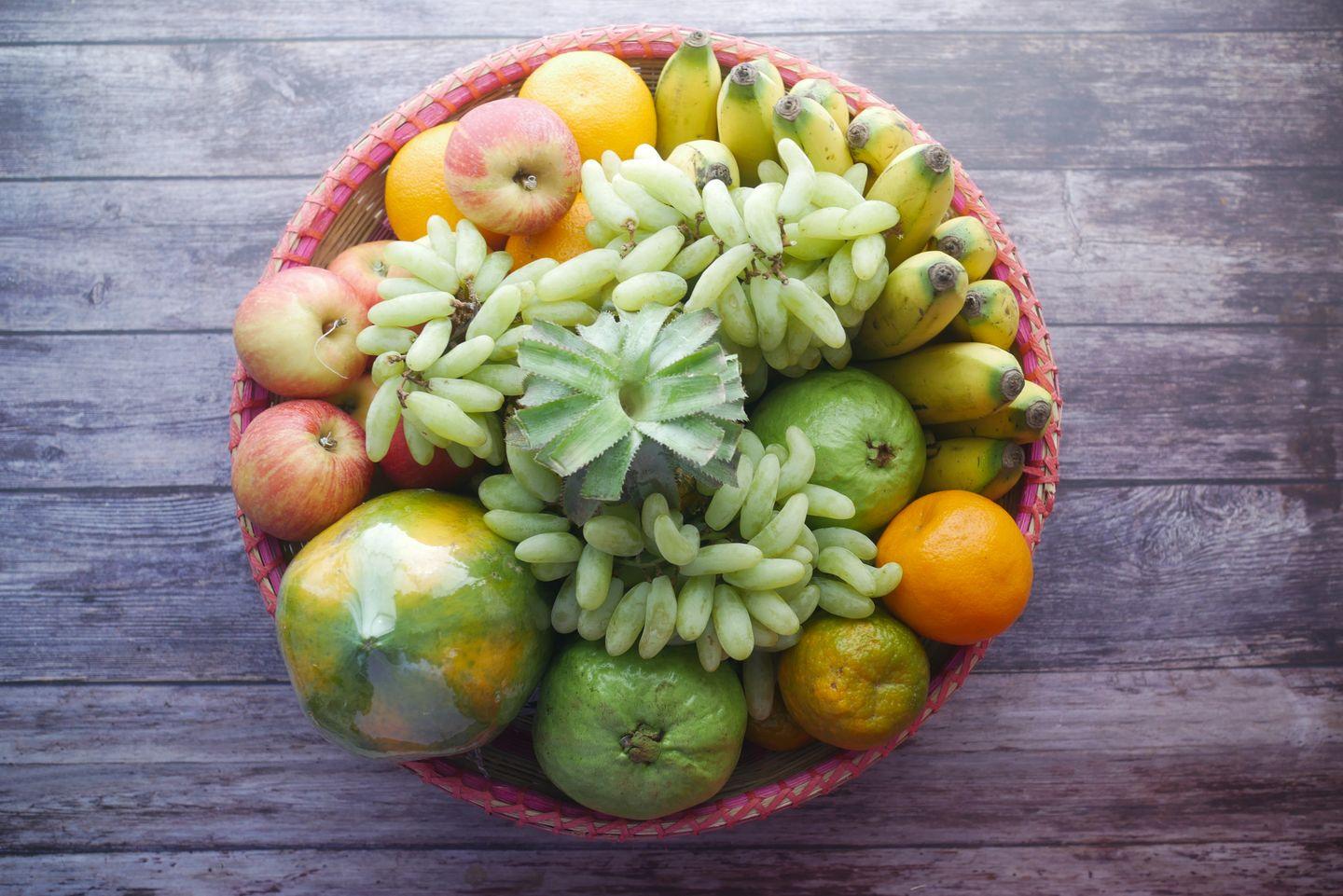
Ragi is widely eaten by people in India and may be offered in a small amount to some companion birds if they accept it. It contains minerals, including calcium, but the amount present in the…
Ragi is widely eaten by people in India and may be offered in a small amount to some companion birds if they accept it. It contains minerals, including calcium, but the amount present in the ingredient does not tell us how much a bird absorbs or whether its total diet is balanced. Plain, thoroughly cooked ragi may be served cooled, without salt, sugar, ghee or spices. Ragi flour is not a complete bird food. Calcium needs depend on species, age, reproductive status, vitamin D status and the whole diet. Do not add calcium powder simply because ragi is being fed; seek advice from an avian veterinarian.
References
Merck Veterinary Manual, “Management of Pet Birds” (online veterinary reference); Merck Veterinary Manual, “Nutrition in Psittacines” (last updated July 2026); Merck Veterinary Manual, “Nutritional Diseases of Pet Birds” (last updated June 2026); Association of Avian Veterinarians, “Basic Care for Companion Birds” (client handout).
Evidence note: These sources provide general avian nutrition and husbandry guidance. They do not establish ingredient-specific clinical benefits or universal feeding quantities for this food across all companion-bird species.
Foxtail millet (kangni) is available in India and may be included in some species-appropriate grain mixes. It is primarily an energy source and is not nutritionally complete. Do not use it…
Pearl millet (bajra) is a familiar Indian cereal and is used in some seed mixes for small granivorous birds. It supplies energy and some protein, but it is not a complete diet. Whether it…
Guava is widely available in India and may be offered in small portions to many fruit-eating companion birds. It supplies moisture, fibre and vitamin C, but fruit should generally be a…