Moringa (drumstick) leaves are nutrient-dense for people and are sometimes promoted as a bird-food ingredient. Small amounts of clean, correctly identified leaves may be offered as part of…
Moringa (drumstick) leaves are nutrient-dense for people and are sometimes promoted as a bird-food ingredient. Small amounts of clean, correctly identified leaves may be offered as part of variety to some companion birds, but robust species-specific feeding trials are lacking. Do not claim that moringa treats disease, boosts immunity or replaces a balanced diet. Wash leaves thoroughly and offer fresh or lightly cooked without seasoning. Avoid concentrated powders and extracts unless an avian veterinarian has assessed the product and dose.
References
Merck Veterinary Manual, “Management of Pet Birds” (online veterinary reference); Merck Veterinary Manual, “Nutrition in Psittacines” (last updated July 2026); Merck Veterinary Manual, “Nutritional Diseases of Pet Birds” (last updated June 2026); Association of Avian Veterinarians, “Basic Care for Companion Birds” (client handout).
Evidence note: These sources provide general avian nutrition and husbandry guidance. They do not establish ingredient-specific clinical benefits or universal feeding quantities for this food across all companion-bird species.
Fresh coriander leaves (dhania) are widely available in India and may be offered in small amounts to some companion birds as part of a varied selection of greens. Wash thoroughly under clean…
Amaranth leaves (chaulai) can add leafy-green variety for some companion birds, but evidence establishing species-specific feeding quantities is limited. Wash thoroughly and offer a small…
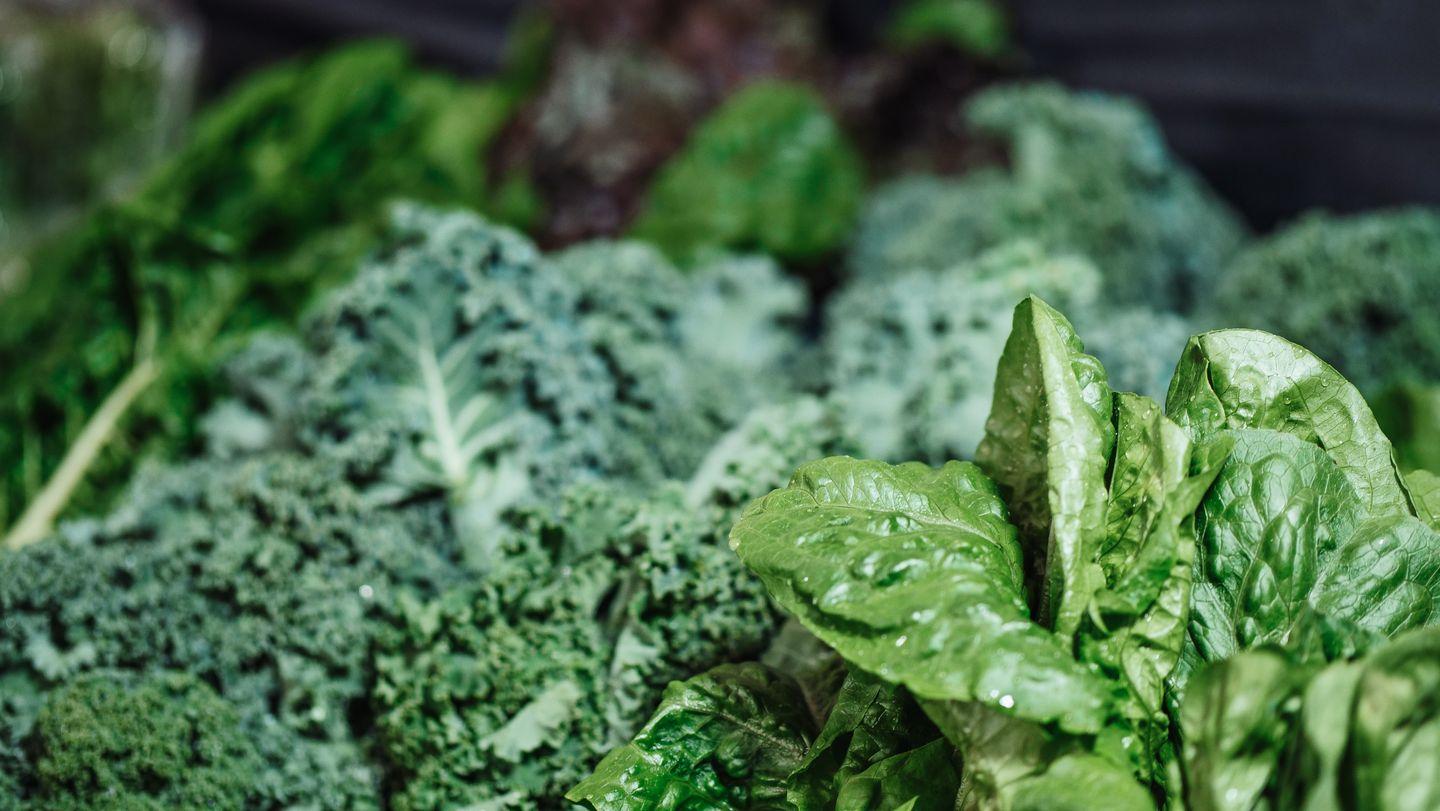
Romaine lettuce can be included in the fresh vegetable variety offered to many companion birds. It contains water and some micronutrients, but should not be the only leafy green or displace…