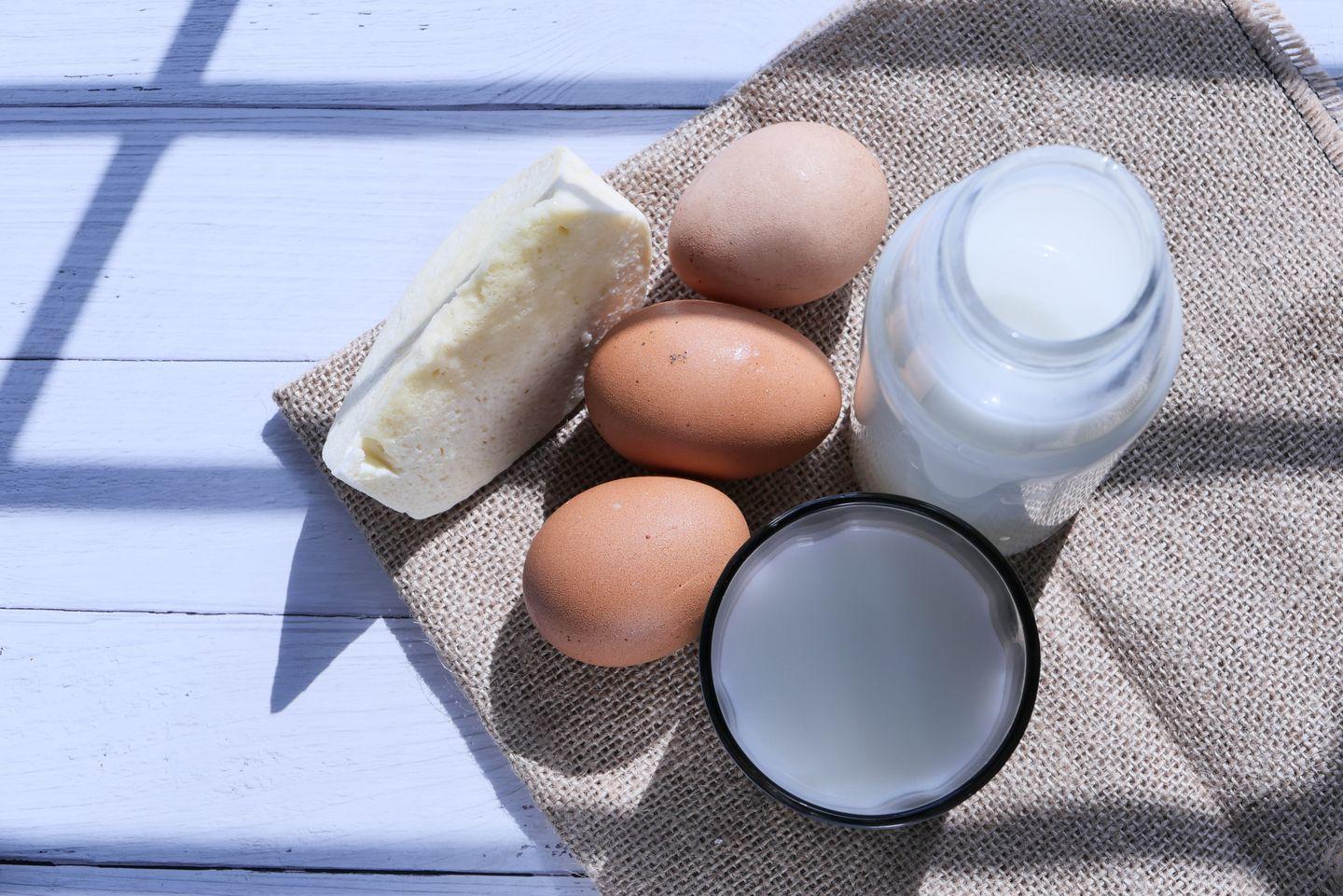
Alpha-lactalbumin is a whey protein naturally present in milk. It contributes amino acids and plays a role in lactose synthesis in the mammary gland. In pet food and supplements, it may…
Alpha-lactalbumin is a whey protein naturally present in milk. It contributes amino acids and plays a role in lactose synthesis in the mammary gland. In pet food and supplements, it may appear as part of a whey protein ingredient or as a more specifically identified protein fraction.
Its amino acid profile includes tryptophan, but that fact does not establish that alpha-lactalbumin supplementation reliably reduces anxiety or improves sleep in dogs and cats. Research on stress-related behaviour in pets is limited and often examines multi-ingredient diets or specific formulations rather than isolated alpha-lactalbumin.
As a milk-derived protein, it may be unsuitable for animals with a confirmed adverse reaction to milk proteins. The ingredient should also not be confused with lactose, the milk sugar, or with alpha-casozepine, a peptide derived from casein. Any claim of calming or therapeutic benefit requires direct evidence in the target species and at the dose used in the finished product.
Hydrolysed animal protein is produced by breaking animal proteins into smaller peptides and amino acids, usually through enzymatic or chemical processing. In pet food, it may be used to…
Opening. Leucine is an essential branched-chain amino acid, alongside isoleucine and valine. It must be supplied through the diet and is required for normal protein synthesis and tissue…
Torula yeast is a common name historically used for protein-rich biomass from Candida utilis, a yeast also known by the accepted taxonomic name Cyberlindnera jadinii in many current…