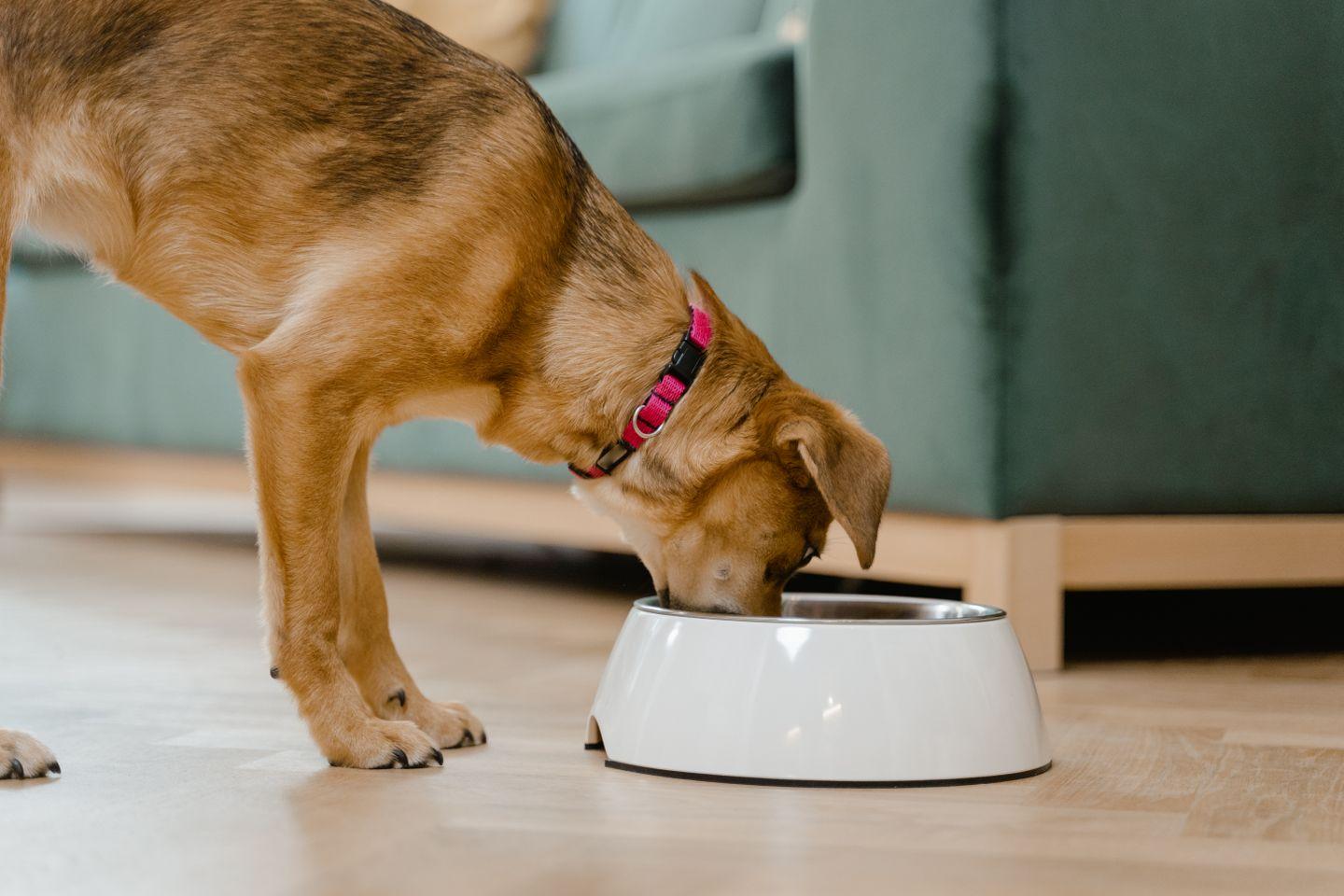
Bone broth is made by simmering animal bones and connective tissues in water. Depending on the recipe and processing method, it may contain gelatin, small amounts of protein, minerals and…
Bone broth is made by simmering animal bones and connective tissues in water. Depending on the recipe and processing method, it may contain gelatin, small amounts of protein, minerals and flavour compounds. In pet food, broth is often used to add aroma, moisture and palatability.
Its nutrient composition is highly variable, and bone broth may be unsuitable for pets that require restrictions on particular nutrients. A homemade broth should not be treated as a reliable source of calcium, collagen or other nutrients, and it cannot replace a complete diet. Commercial broths may contain high levels of sodium, onion, garlic, seasoning or other ingredients unsuitable for pets. Onion and garlic, including powdered forms, can damage red blood cells.
Broth may be inappropriate for pets on sodium-restricted diets or therapeutic diets, because additions can alter the nutritional balance or interfere with the purpose of the prescribed food. If used as a topper, it should be plain, unseasoned and offered in modest amounts. Claims that bone broth repairs joints, heals the gut or detoxifies the body are not established clinical outcomes.
Meat and bone meal is a rendered ingredient made from mammalian tissues that include bone. It supplies protein as well as substantial minerals, particularly calcium and phosphorus. Its…
Hydrolysed animal protein is produced by breaking animal proteins into smaller peptides and amino acids, usually through enzymatic or chemical processing. In pet food, it may be used to…
Opening. Leucine is an essential branched-chain amino acid, alongside isoleucine and valine. It must be supplied through the diet and is required for normal protein synthesis and tissue…