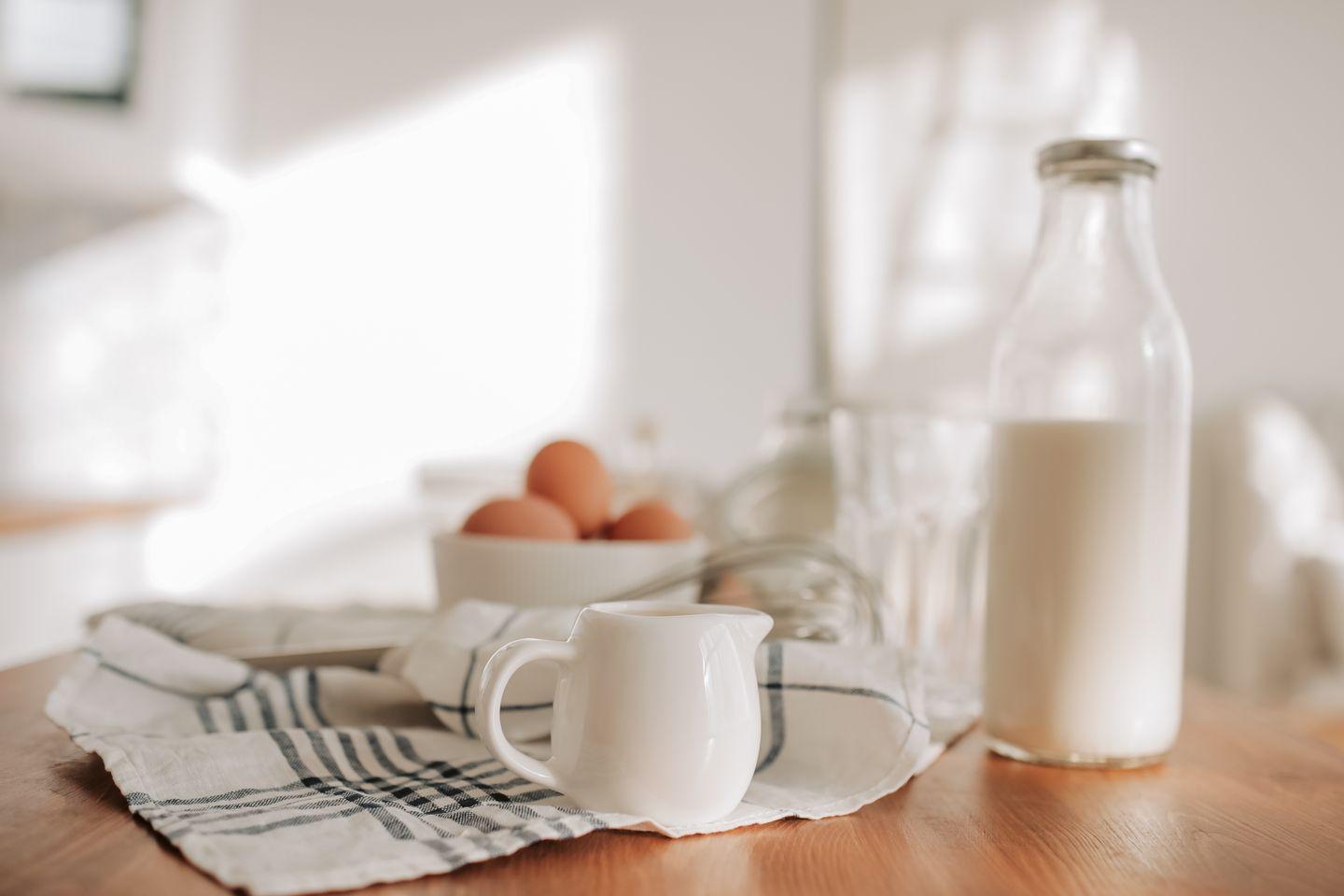
Buttermilk powder is made by drying buttermilk, a dairy liquid produced during butter manufacture or through cultured milk processing, depending on the product definition. It contains milk…
Buttermilk powder is made by drying buttermilk, a dairy liquid produced during butter manufacture or through cultured milk processing, depending on the product definition. It contains milk proteins, lactose and minerals, with a composition that varies by production method.
It may be used in pet treats and foods for flavour, dairy solids or functional properties. It is not the same as a probiotic supplement. Cultured buttermilk may contain fermentation products, but drying and subsequent processing can reduce or eliminate viable microorganisms. A probiotic claim requires specific evidence about live strains and delivered amounts.
Buttermilk powder can still contain lactose and milk proteins. Pets with lactose intolerance or milk-protein allergy may not tolerate it. It is not a complete food or a treatment for digestive disorders. The full product formulation and individual tolerance should guide its use.
Hydrolysed animal protein is produced by breaking animal proteins into smaller peptides and amino acids, usually through enzymatic or chemical processing. In pet food, it may be used to…
Opening. Leucine is an essential branched-chain amino acid, alongside isoleucine and valine. It must be supplied through the diet and is required for normal protein synthesis and tissue…
Torula yeast is a common name historically used for protein-rich biomass from Candida utilis, a yeast also known by the accepted taxonomic name Cyberlindnera jadinii in many current…