Colostrum is the first milk produced by a mother after giving birth. It is rich in antibodies, proteins and other biologically active components. In puppies and kittens, it plays a…
Colostrum is the first milk produced by a mother after giving birth. It is rich in antibodies, proteins and other biologically active components. In puppies and kittens, it plays a particularly important role in early immune protection.
Why is maternal colostrum important?
Dogs and cats receive relatively little maternal antibody across the placenta. Newborn puppies and kittens therefore depend heavily on colostrum to acquire antibodies after birth. Their ability to absorb these antibodies through the intestine falls rapidly during the first day of life. Timely nursing is consequently important.
What about bovine colostrum supplements?
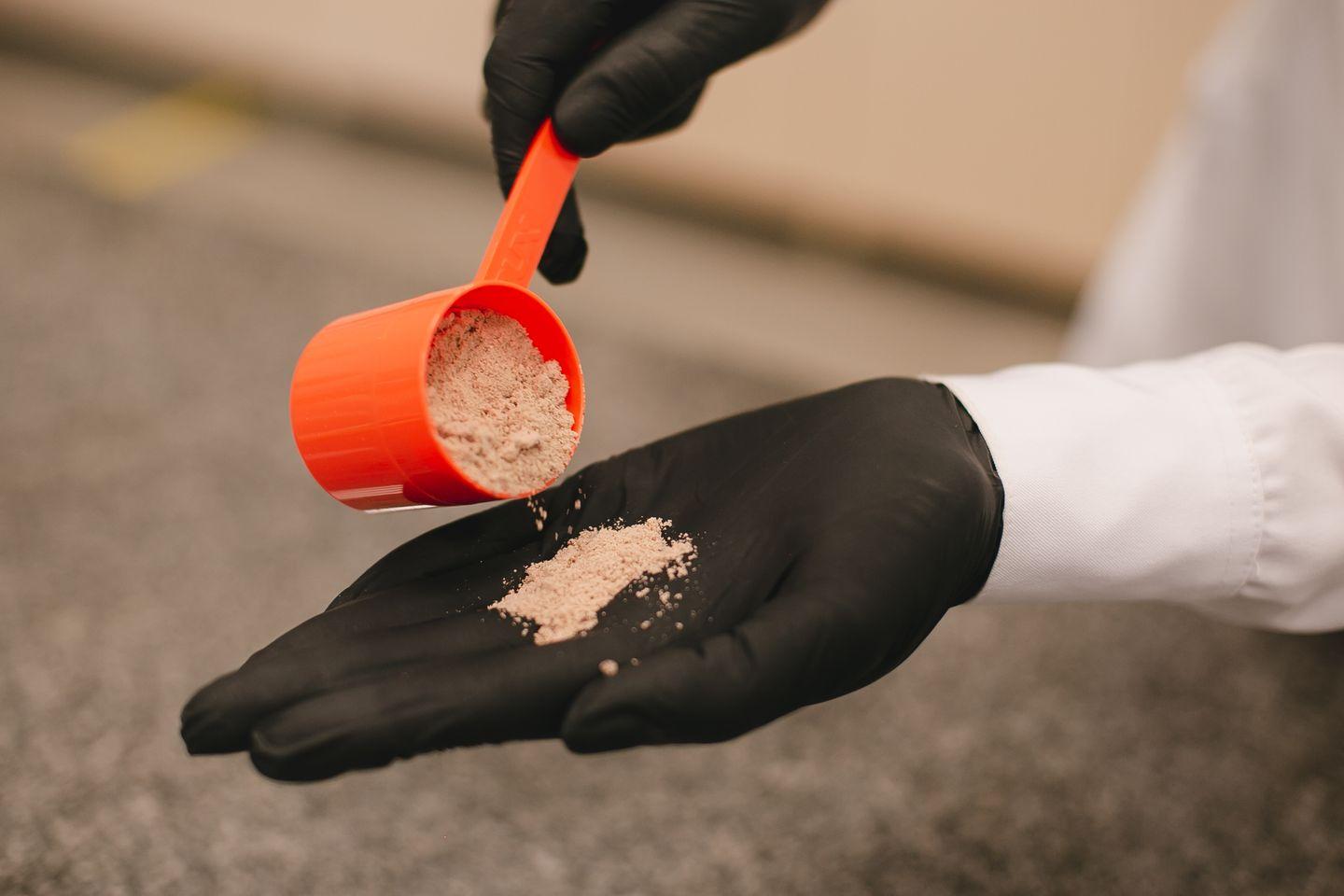
Some pet supplements contain colostrum collected from cows. These products are not the same as a puppy or kitten receiving its own mother's colostrum. Bovine colostrum contains immunoglobulins and other components, but oral supplementation in adult pets does not recreate the systemic maternal antibody transfer that occurs in newborn animals.
Use in dogs
Small studies have investigated bovine colostrum and immune or gastrointestinal outcomes in dogs. The evidence is still developing and does not establish colostrum as a treatment for infections, allergies or immune disorders.
Use in cats
Cat-specific clinical evidence is more limited. Products marketed for dogs should not automatically be used in cats. The formulation, source and intended dose should be checked with a veterinarian.
Quality and safety
Colostrum products vary in processing, antibody content and quality control. Pet parents should look for clear sourcing and manufacturing information. Supplements are not substitutes for vaccination, veterinary care or appropriate neonatal feeding.
The takeaway
Maternal colostrum is crucial to early immune protection in puppies and kittens. Bovine colostrum supplements may have potential nutritional applications, but evidence for routine treatment or prevention of disease in adult dogs and cats remains limited.
References
Chastant-Maillard S, Mila H. Passive immune transfer in puppies and kittens. Veterinary focus and related peer-reviewed reviews.
National Research Council. Nutrient Requirements of Dogs and Cats. National Academies Press, 2006.
Yu J, Satyaraj E. Research on bovine colostrum supplementation and canine immune health. 2025.
Hydrolysed animal protein is produced by breaking animal proteins into smaller peptides and amino acids, usually through enzymatic or chemical processing. In pet food, it may be used to…
Opening. Leucine is an essential branched-chain amino acid, alongside isoleucine and valine. It must be supplied through the diet and is required for normal protein synthesis and tissue…
Torula yeast is a common name historically used for protein-rich biomass from Candida utilis, a yeast also known by the accepted taxonomic name Cyberlindnera jadinii in many current…