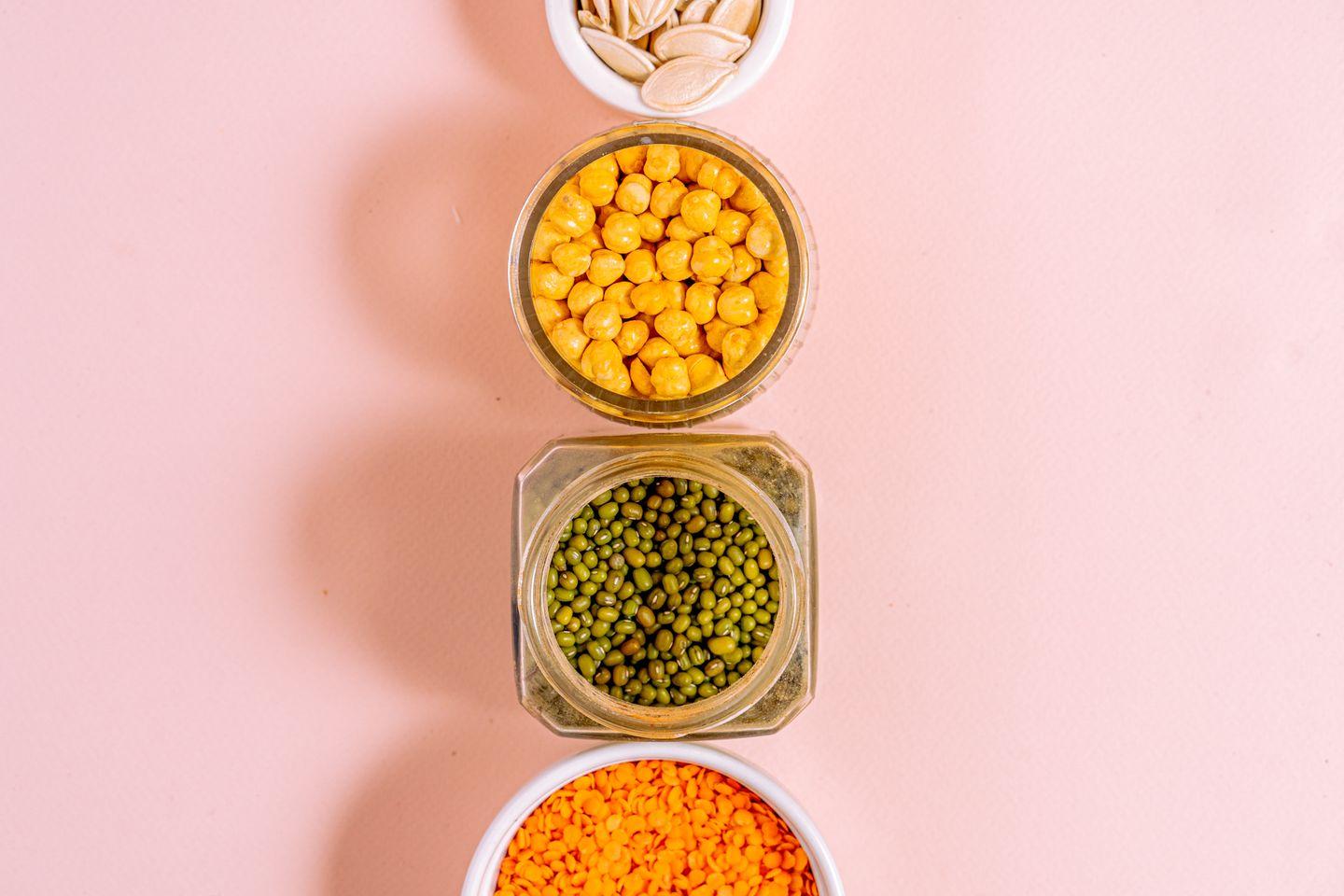
What they are. Fava beans, also called broad beans, are legumes that contain protein, starch, fibre and several micronutrients. They may be used in plant-based protein blends and other…
What they are. Fava beans, also called broad beans, are legumes that contain protein, starch, fibre and several micronutrients. They may be used in plant-based protein blends and other formulated pet-food products.
Nutritional contribution. Fava bean protein can contribute to the protein content of a food, but its amino-acid balance and digestibility need to be considered. Like other legumes, fava beans contain naturally occurring compounds that can affect nutrient utilisation; processing is important.
Dogs and cats. Fava bean ingredients should be evaluated as part of a complete diet for the relevant species. Evidence from human food use or livestock feeding cannot automatically establish suitability or clinical benefit in dogs and cats.
A special caution. Fava beans contain vicine and convicine, compounds associated with oxidative red-blood-cell injury in susceptible humans with G6PD deficiency. This human susceptibility does not establish the same mechanism or risk in dogs or cats. Pet-specific safety data are insufficient to recommend raw or concentrated fava products. Commercial formulations require ingredient-specific safety assessment.
The takeaway. Fava beans are a potential plant protein and carbohydrate source, but their antinutritional constituents and species-specific safety require attention. Do not use raw or home-prepared fava concentrates as pet supplements.
Hydrolysed animal protein is produced by breaking animal proteins into smaller peptides and amino acids, usually through enzymatic or chemical processing. In pet food, it may be used to…
Opening. Leucine is an essential branched-chain amino acid, alongside isoleucine and valine. It must be supplied through the diet and is required for normal protein synthesis and tissue…
Torula yeast is a common name historically used for protein-rich biomass from Candida utilis, a yeast also known by the accepted taxonomic name Cyberlindnera jadinii in many current…