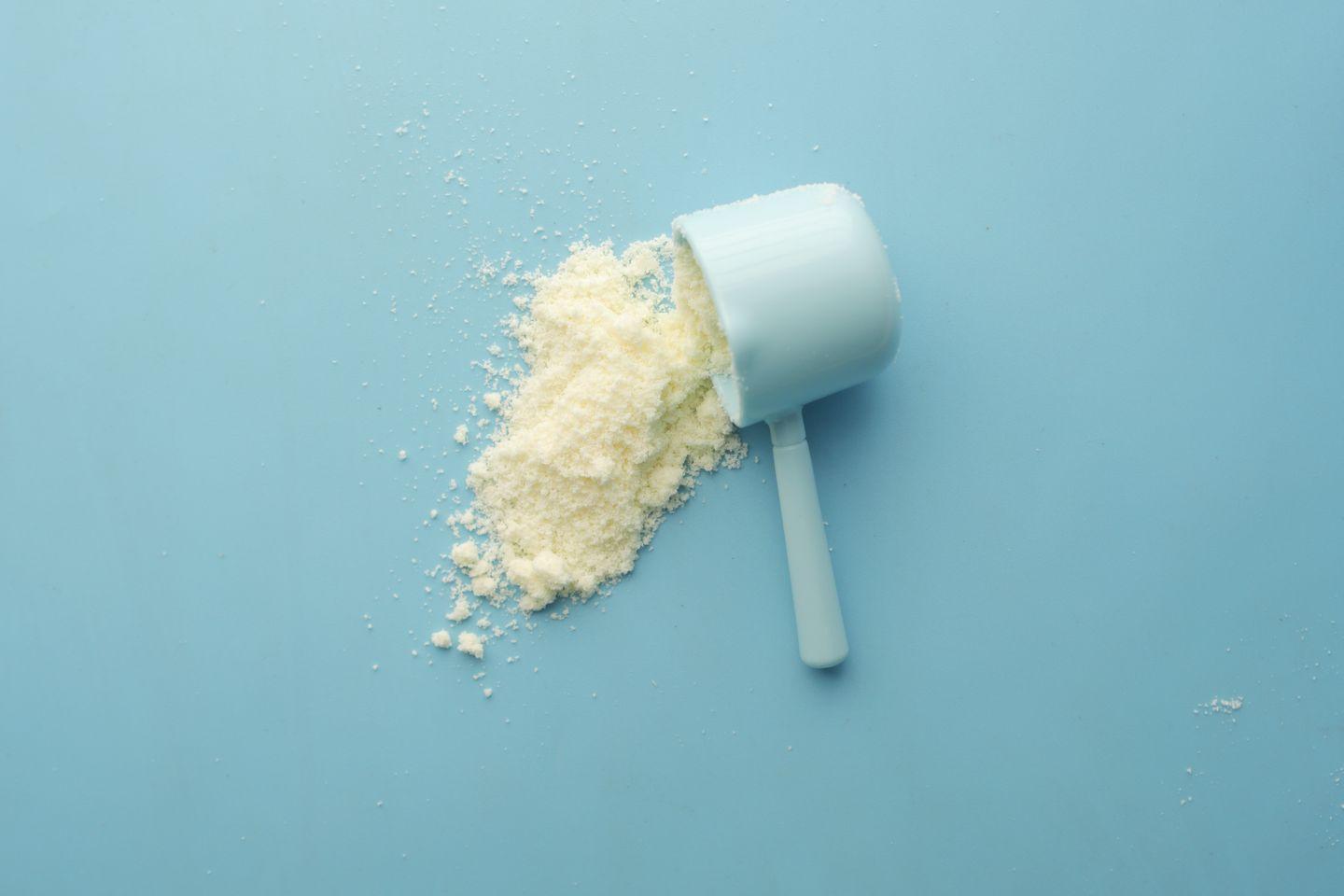
Fermented soy protein is made by allowing selected microorganisms or enzymes to act on soybeans or soy protein ingredients. Fermentation can alter flavour, reduce some antinutritional…
Fermented soy protein is made by allowing selected microorganisms or enzymes to act on soybeans or soy protein ingredients. Fermentation can alter flavour, reduce some antinutritional factors and change protein solubility or peptide composition. The outcome depends on the organism and process.
It is not a single standardised ingredient. Fermented whole soy, fermented soy flour, soy protein concentrate and soy protein isolate can have different nutrient profiles. Fermentation does not automatically eliminate all allergens or make a product suitable for every animal.
Dogs and cats can use appropriately processed soy protein when the overall diet is correctly formulated, but essential amino-acid profile and digestibility must be assessed. Cats still require species-specific nutrients such as taurine and preformed vitamin A. Pet-specific clinical benefits should not be inferred from human fermented-food research.
References
NRC. Nutrient Requirements of Dogs and Cats. National Academies Press; 2006. • Nout MJR, Kiers JL. Tempe fermentation, innovation and functionality: update into the next millennium. J Appl Microbiol. 2005;98:789–805.
Opening. Soy protein is extracted from soybeans and used in pet foods as a concentrated plant-derived protein ingredient. It is available in forms such as soy flour, soy protein concentrate…
Fermented rice protein is produced when selected microorganisms or enzymes act on rice protein or rice-derived substrates. Depending on the process, fermentation may change flavour,…
Fermented plant protein is a broad category covering proteins from legumes, cereals and oilseeds that have been modified through microbial fermentation. The process can alter flavour, reduce…