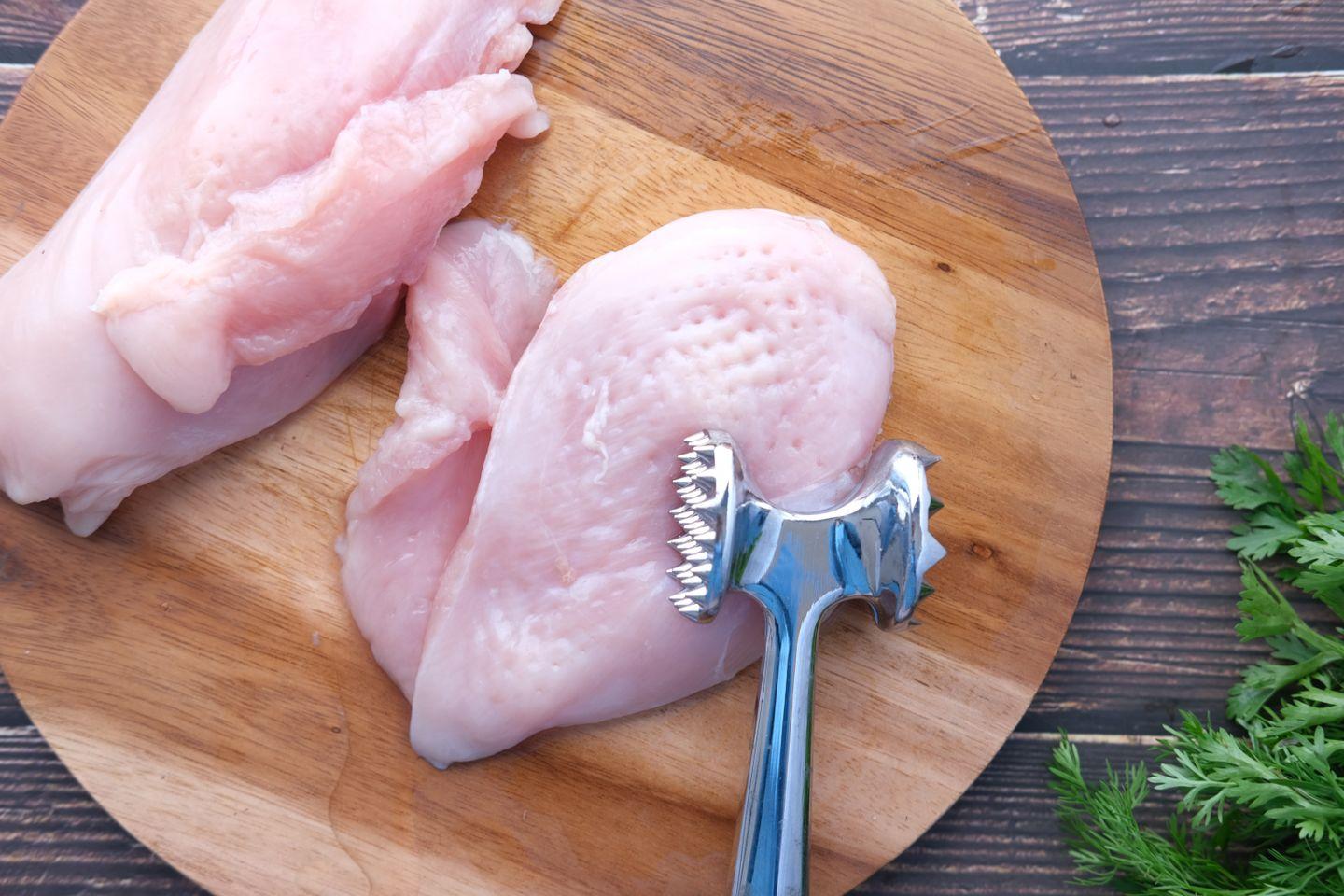
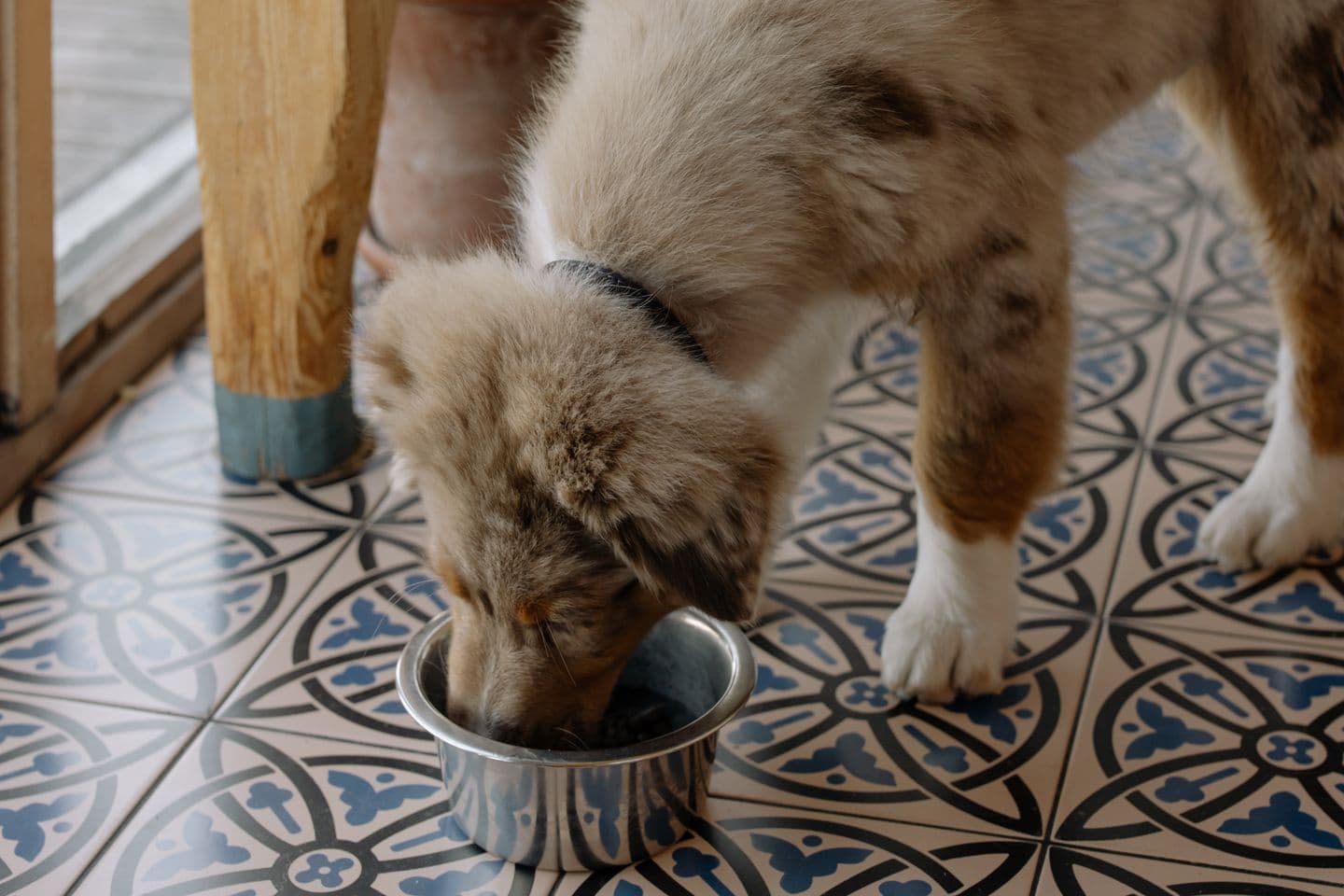
Hydrolysed poultry protein is made by breaking down proteins from poultry tissues into smaller peptides and amino acids. It may be used as a palatant or as a protein ingredient in formulated…
Hydrolysed poultry protein is made by breaking down proteins from poultry tissues into smaller peptides and amino acids. It may be used as a palatant or as a protein ingredient in formulated foods. The degree of hydrolysis and the original poultry material influence its composition and functional properties.
Some veterinary diets use carefully controlled hydrolysed proteins for elimination trials in dogs and cats with suspected food allergy. A generic hydrolysed poultry ingredient should not automatically be considered a hypoallergenic therapeutic ingredient. The manufacturing process must consistently reduce relevant protein fragments, and cross-contact with other proteins must be controlled.
Poultry can refer to more than one bird species. If the animal has a known food reaction, the source species and processing specification should be confirmed with the manufacturer and veterinarian. A hydrolysed diet is a diagnostic tool, not a cure for every skin or digestive problem. Persistent itching, vomiting or diarrhoea requires veterinary investigation.
Hydrolysed animal protein is produced by breaking animal proteins into smaller peptides and amino acids, usually through enzymatic or chemical processing. In pet food, it may be used to…
Hydrolysed protein is protein that has been broken down into smaller peptides and amino acids through a process called hydrolysis. It is used in some veterinary diets, particularly for food…
Hydrolysed poultry feathers (sometimes called hydrolysed feather meal) are produced by hydrolysing feathers from slaughtered poultry. Hydrolysis disrupts keratin's structure and can improve…