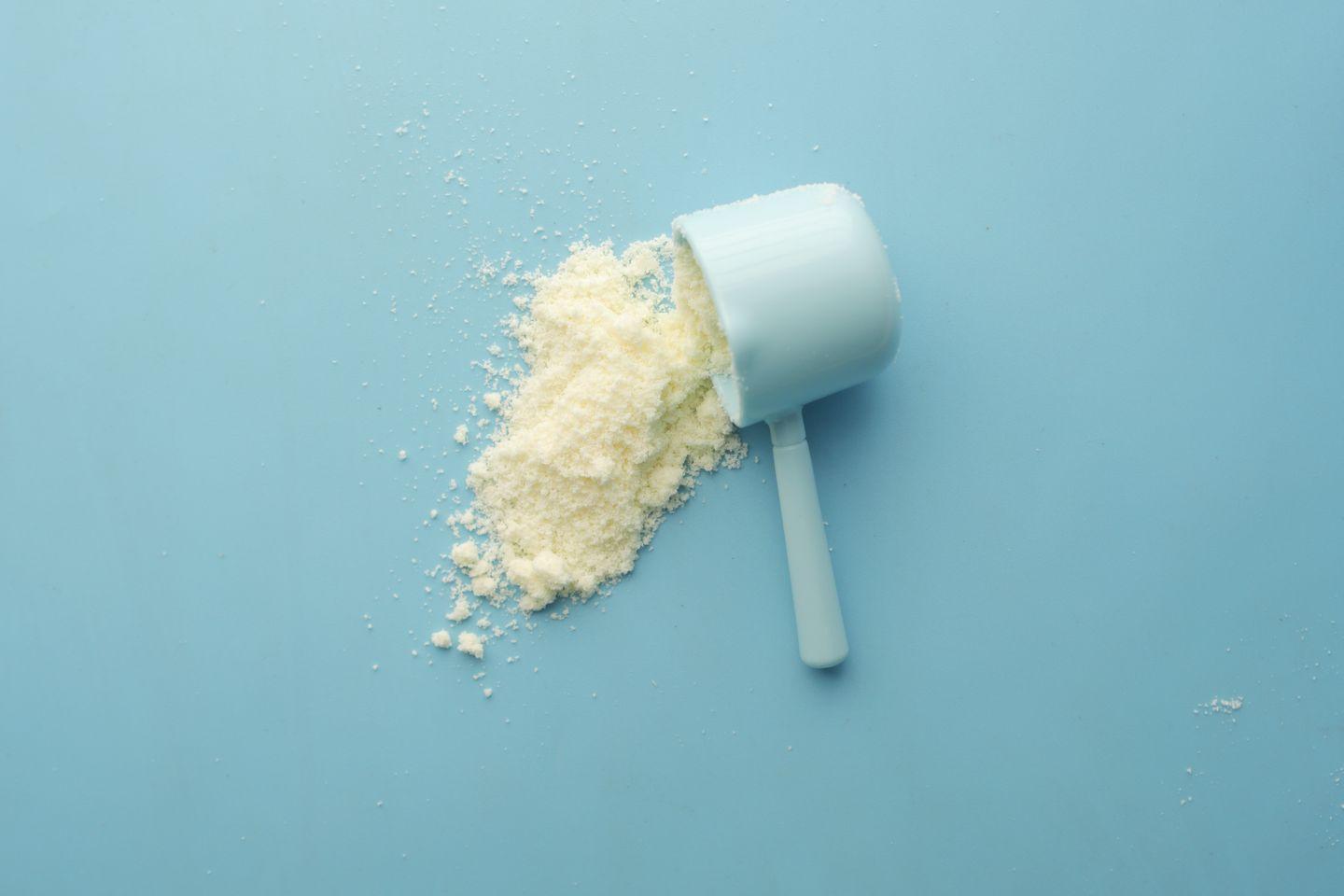
Opening. L-glutamine is an amino acid used in protein synthesis and in several metabolic pathways. Cells lining the intestine and certain immune cells use glutamine, among other fuels, and…
Opening. L-glutamine is an amino acid used in protein synthesis and in several metabolic pathways. Cells lining the intestine and certain immune cells use glutamine, among other fuels, and it also participates in nitrogen transport.
Its nutritional status. Glutamine is generally classified as a non-essential amino acid because the body can synthesise it. During severe illness, injury or other physiological stress, demand may rise and endogenous production may not meet all needs. In that context it is sometimes described as conditionally essential.
Dogs and cats. Dogs and cats both use glutamine in normal metabolism. Research into intestinal barrier function and critical illness provides a biological rationale for studying supplementation. However, this rationale does not establish that routine glutamine supplements improve digestive health, immunity or recovery in companion animals.
Safety. Do not use human glutamine products to manage diarrhoea, vomiting or suspected intestinal disease. The cause of persistent gastrointestinal signs should be investigated. A veterinarian should decide whether a specialised nutritional intervention is appropriate.
The takeaway. Glutamine has important roles in intestinal and cellular metabolism, and its demand may change during severe stress. Clinical evidence does not support presenting it as a routine digestive supplement or treatment for dogs and cats.
References
National Research Council. Nutrient Requirements of Dogs and Cats. National Academies Press, 2006.
Wu G. Amino acids: metabolism, functions, and nutrition. Amino Acids. 2009;37:1–17.
Hydrolysed animal protein is produced by breaking animal proteins into smaller peptides and amino acids, usually through enzymatic or chemical processing. In pet food, it may be used to…
Opening. Leucine is an essential branched-chain amino acid, alongside isoleucine and valine. It must be supplied through the diet and is required for normal protein synthesis and tissue…
Torula yeast is a common name historically used for protein-rich biomass from Candida utilis, a yeast also known by the accepted taxonomic name Cyberlindnera jadinii in many current…