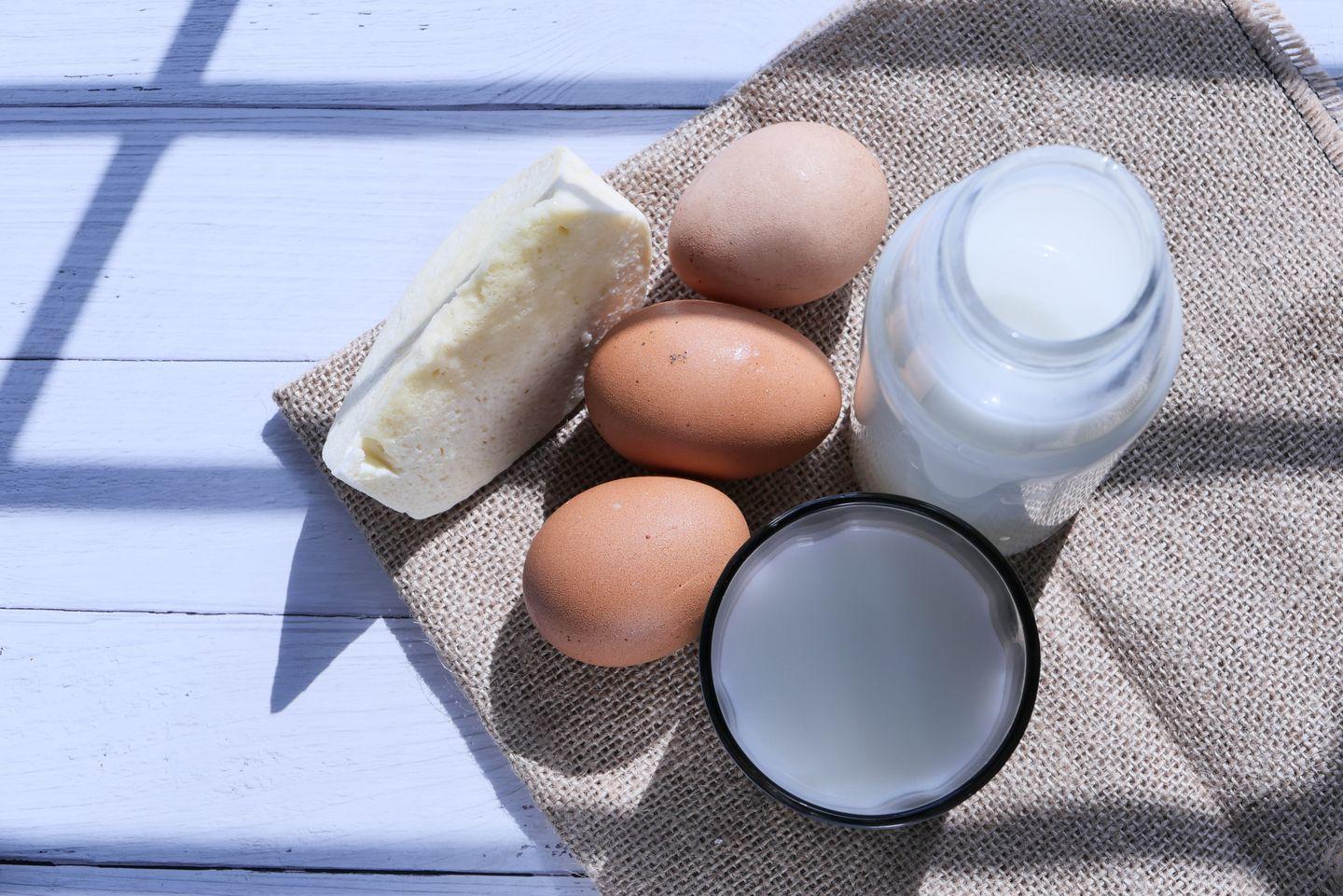
Lactoferrin is an iron-binding protein found in milk and several body secretions. It is part of the natural defence system of mammals and has attracted research interest because of its…
Lactoferrin is an iron-binding protein found in milk and several body secretions. It is part of the natural defence system of mammals and has attracted research interest because of its antimicrobial and immune-modulating properties.
How does lactoferrin work?
Lactoferrin binds iron, making less free iron available to some microorganisms. Laboratory studies have also reported interactions with microbes and immune cells. These findings help explain why lactoferrin is studied as a functional ingredient. They do not prove that an oral supplement can prevent or cure infections in pets.
Use in dogs
Lactoferrin appears in some canine supplements and functional foods. Research into its effects is developing, but robust clinical evidence for treating skin infections, gastrointestinal disease or other infections in dogs is limited. It should not replace antibiotics or other prescribed treatment.
Use in cats
There is also interest in lactoferrin for feline health, but clinical evidence remains limited. It should not be promoted as a proven antiviral or antibacterial treatment for cats. Respiratory, urinary and gastrointestinal symptoms require diagnosis rather than self-treatment with supplements.
What should pet parents check?
The source, purity, processing and amount of lactoferrin can vary between products. Lactoferrin may be derived from milk, so the overall formulation should be considered in pets with food sensitivities. A supplement's inclusion in a product does not establish that it delivers a clinically effective amount.
Safety
Do not use lactoferrin to delay veterinary assessment or to replace medication. Discuss use with a veterinarian for pets with chronic illness, those receiving multiple supplements, or animals on therapeutic diets.
The takeaway
Lactoferrin is a naturally occurring iron-binding protein with interesting laboratory antimicrobial and immune-related properties. However, it is not an established antibiotic, antiviral or preventive treatment for dogs and cats. Its clinical value as a supplement remains under investigation.
References
Legrand D. Overview of lactoferrin as a natural immune and antimicrobial protein. Biochemistry and Cell Biology. 2016.
Hydrolysed animal protein is produced by breaking animal proteins into smaller peptides and amino acids, usually through enzymatic or chemical processing. In pet food, it may be used to…
Opening. Leucine is an essential branched-chain amino acid, alongside isoleucine and valine. It must be supplied through the diet and is required for normal protein synthesis and tissue…
Torula yeast is a common name historically used for protein-rich biomass from Candida utilis, a yeast also known by the accepted taxonomic name Cyberlindnera jadinii in many current…