Microbial peptides are short chains of amino acids produced by microorganisms or released during microbial fermentation and protein hydrolysis. Their size and sequence vary widely, so the…
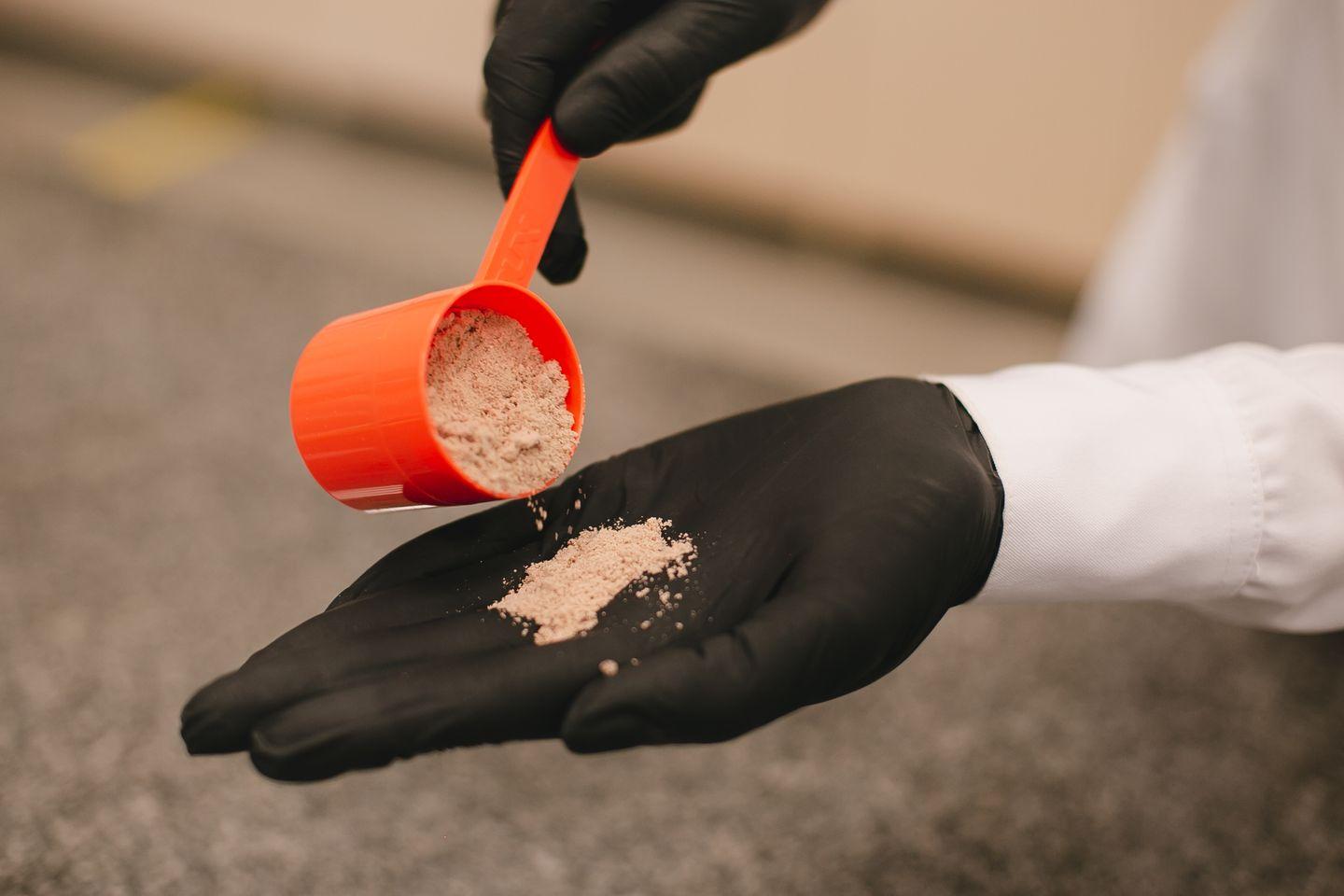
Microbial peptides are short chains of amino acids produced by microorganisms or released during microbial fermentation and protein hydrolysis. Their size and sequence vary widely, so the term covers many chemically distinct compounds.
Some peptides show biological activity in laboratory experiments, but in-vitro activity does not establish a useful effect after oral feeding. Digestion can break peptides down, and absorption depends on molecular size, structure and physiology. Results from human, livestock or cell-culture research should not be transferred directly to dogs and cats.
When a pet-food ingredient is marketed for a specific function, the exact peptide or standardised mixture, dose and feeding evidence should be identified. A generic claim that a product contains “bioactive peptides” is not enough to demonstrate improved immunity, joint health or gut function. Safety, stability and interaction with the complete diet also matter.
References
Kitts DD, Weiler K. Bioactive proteins and peptides from food sources. Int J Food Sci Technol. 2003;38:187–199. • NRC. Nutrient Requirements of Dogs and Cats. National Academies Press; 2006.
Hydrolysed animal protein is produced by breaking animal proteins into smaller peptides and amino acids, usually through enzymatic or chemical processing. In pet food, it may be used to…
Opening. Leucine is an essential branched-chain amino acid, alongside isoleucine and valine. It must be supplied through the diet and is required for normal protein synthesis and tissue…
Torula yeast is a common name historically used for protein-rich biomass from Candida utilis, a yeast also known by the accepted taxonomic name Cyberlindnera jadinii in many current…