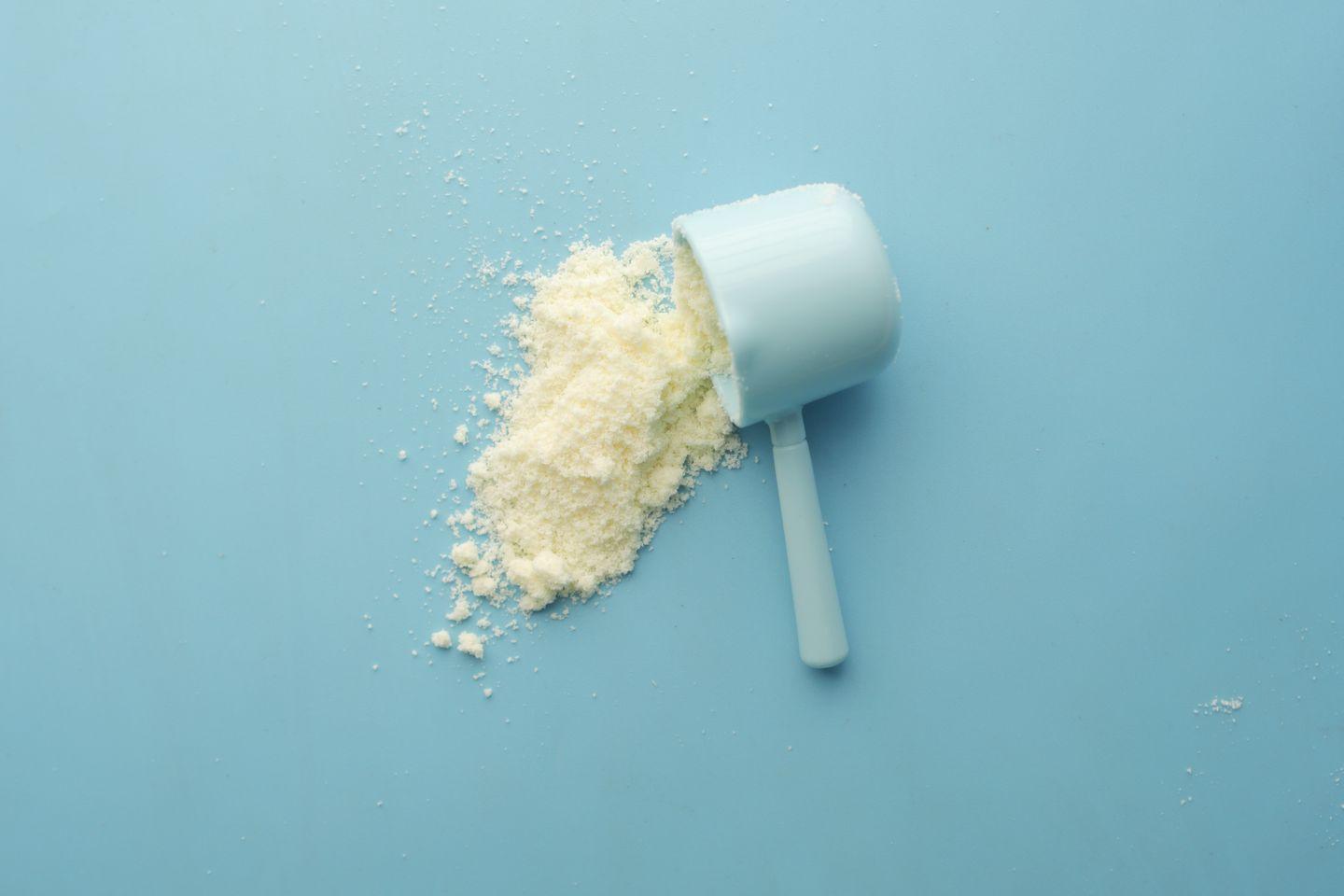
Peptones are mixtures of peptides and amino acids produced by partial enzymatic or chemical digestion of proteins. They are widely used as nutrient sources in microbiological culture media…
Peptones are mixtures of peptides and amino acids produced by partial enzymatic or chemical digestion of proteins. They are widely used as nutrient sources in microbiological culture media and may also be used as specialised nitrogen sources in fermentation processes.
A peptone is not a single molecule or a uniform protein source. Its composition depends on the starting material, hydrolysis method and degree of digestion. Animal-, plant- and microbial-derived peptones may differ in amino-acid profile, residual intact protein and processing residues.
If a peptone-derived material is proposed for dog or cat food, its source and intended technological or nutritional function should be stated clearly. Use in laboratory culture media does not establish digestibility, safety or health benefits when fed to pets. Product-specific assessment should cover source traceability, contaminants, amino-acid composition and regulatory status in the intended market.
References
Madigan MT et al. Brock Biology of Microorganisms. 15th ed. Pearson; 2018. • NRC. Nutrient Requirements of Dogs and Cats. National Academies Press; 2006.
Hydrolysed animal protein is produced by breaking animal proteins into smaller peptides and amino acids, usually through enzymatic or chemical processing. In pet food, it may be used to…
Opening. Leucine is an essential branched-chain amino acid, alongside isoleucine and valine. It must be supplied through the diet and is required for normal protein synthesis and tissue…
Torula yeast is a common name historically used for protein-rich biomass from Candida utilis, a yeast also known by the accepted taxonomic name Cyberlindnera jadinii in many current…