Taurine: Why Is This Amino Acid So Important in Animal Nutrition?
Some nutrients receive attention because they are widely used in supplements. Others are important because an animal cannot maintain good health without receiving adequate amounts of them.…
Some nutrients receive attention because they are widely used in supplements. Others are important because an animal cannot maintain good health without receiving adequate amounts of them. Taurine belongs to the latter category, particularly when it comes to cats.
Taurine is an amino acid-like compound that performs several essential functions in the body. Although it is sometimes described alongside amino acids, it has a distinctive chemical structure and is not incorporated into proteins in the same way as conventional amino acids.
What is taurine?
Taurine is naturally present in animal tissues, particularly in the heart, skeletal muscles, brain and retina.
It participates in several important biological processes:
Bile acid conjugation and fat digestion.
Normal retinal function.
Heart muscle function.
Nervous system development.
Reproductive function.
Regulation of cellular processes.
Why do cats need taurine?
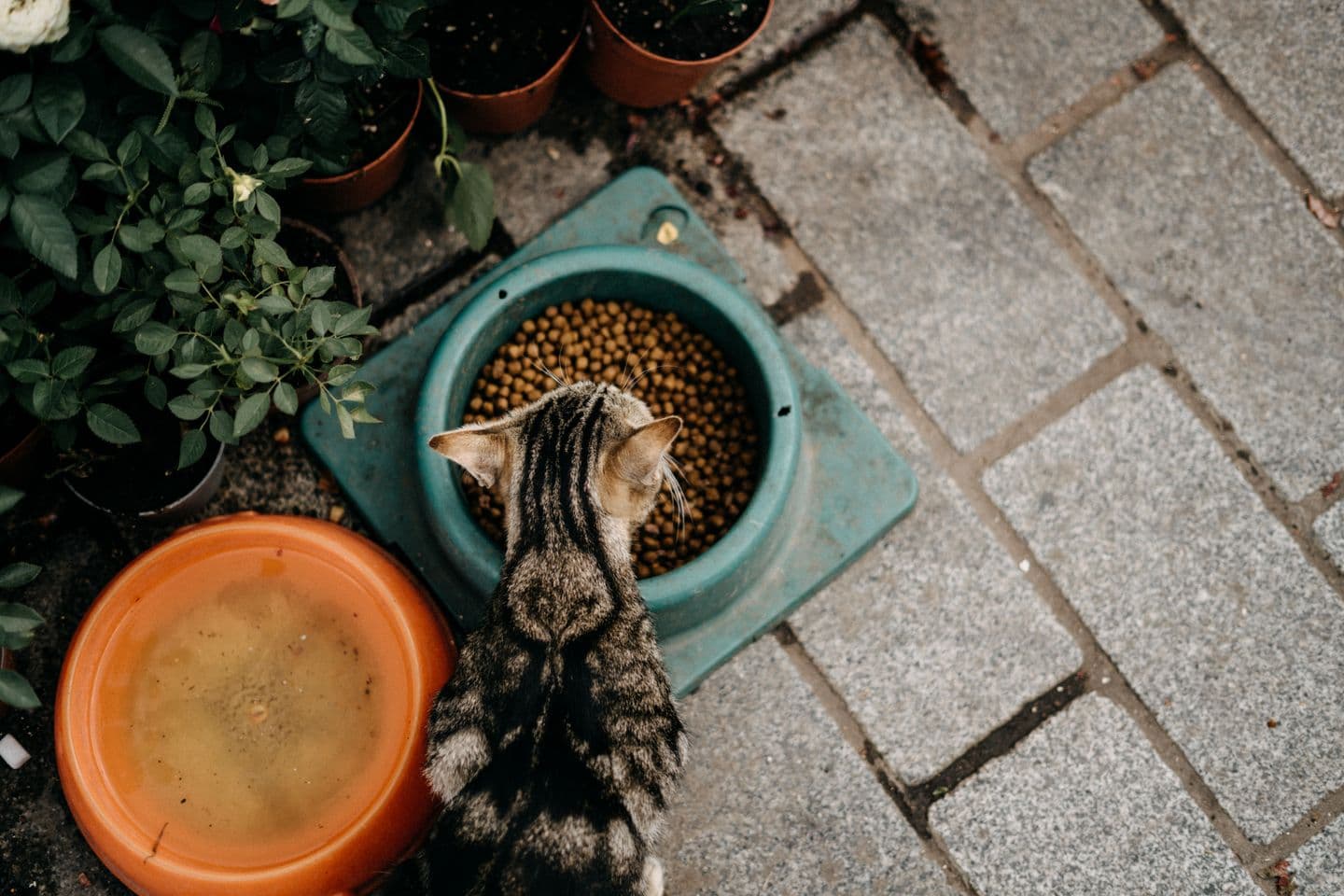
Cats have a particularly high dietary requirement for taurine because their ability to synthesise sufficient amounts is limited. They also lose taurine through bile acid metabolism and have a limited capacity to conserve it compared with many other mammals.
Taurine deficiency in cats can result in serious health consequences, including feline central retinal degeneration, dilated cardiomyopathy, reproductive problems and developmental abnormalities in kittens. This is why taurine is routinely included in nutritionally complete commercial cat foods.
What about dogs?
Dogs generally have a greater capacity to synthesise taurine from sulphur-containing amino acids. However, taurine deficiency can occur in certain circumstances.
Some dogs, particularly those consuming certain inadequately formulated or unusual diets, may develop low taurine status. Certain breeds and dietary patterns have also been investigated in connection with diet-associated dilated cardiomyopathy. Taurine supplementation should therefore be based on veterinary assessment rather than indiscriminate use.
Does taurine matter to birds and fish?
Taurine is present in many animal tissues and has been investigated in fish nutrition. Some fish species have limited ability to synthesise taurine and may depend on dietary sources. Its importance varies with species, growth stage and diet composition.
Research also explores taurine's functions in birds, although requirements differ between avian species and are not equally established.
Where does taurine come from?
Dietary sources include fish, meat, shellfish and other animal-derived tissues. Commercial taurine is generally produced through chemical synthesis. Plant ingredients generally do not provide meaningful taurine.
Can an animal receive too much taurine?
Taurine is generally well tolerated at appropriate dietary levels, but this does not mean that unlimited supplementation is advisable. Product formulations, species requirements and other dietary nutrients must be considered.
The takeaway
Taurine illustrates why animal nutrition cannot be approached with a one-size-fits-all philosophy. It is essential in feline nutrition, has specific applications in dog and fish nutrition, and deserves species-specific research before being recommended for other animals.
Protein is one of the most important components of animal nutrition. Whether it is a dog, cat, bird, rabbit, guinea pig or fish, every animal needs protein to maintain its body, develop…
A growing puppy, a developing kitten and an adult animal repairing everyday tissue all depend on dietary protein. Proteins are built from amino acids, and L-lysine is one of the essential…
Hydrolysed animal protein is produced by breaking animal proteins into smaller peptides and amino acids, usually through enzymatic or chemical processing. In pet food, it may be used to…