Calcium and phosphorus are essential minerals for bones, teeth and normal body function, but the whole-diet balance matters. Rabbits absorb dietary calcium efficiently and excrete a…
Calcium and phosphorus are essential minerals for bones, teeth and normal body function, but the whole-diet balance matters. Rabbits absorb dietary calcium efficiently and excrete a substantial proportion through urine. Persistently excessive calcium intake can contribute to urinary sludge or stones in susceptible rabbits, but urinary disease is multifactorial and should not be attributed to one food alone. Do not add calcium powder, bone meal or mineral mixtures without veterinary advice. A suitable complete rabbit pellet, grass hay and varied greens are safer than home-formulating mineral supplements. Straining to urinate, blood in urine or reduced urine output requires prompt veterinary attention.
References
MSD Veterinary Manual, Nutrition of Rabbits (updated July 2026); MSD Veterinary Manual, Noninfectious Diseases of Rabbits; FEDIAF, Nutritional Guidelines for Feeding Pet Rabbits (2024). FEDIAF is European guidance, not Indian regulation.
Fibre is central to rabbit nutrition, but a single crude-fibre figure does not describe every aspect of fibre quality. Neutral detergent fibre (NDF) and acid detergent fibre (ADF) provide…
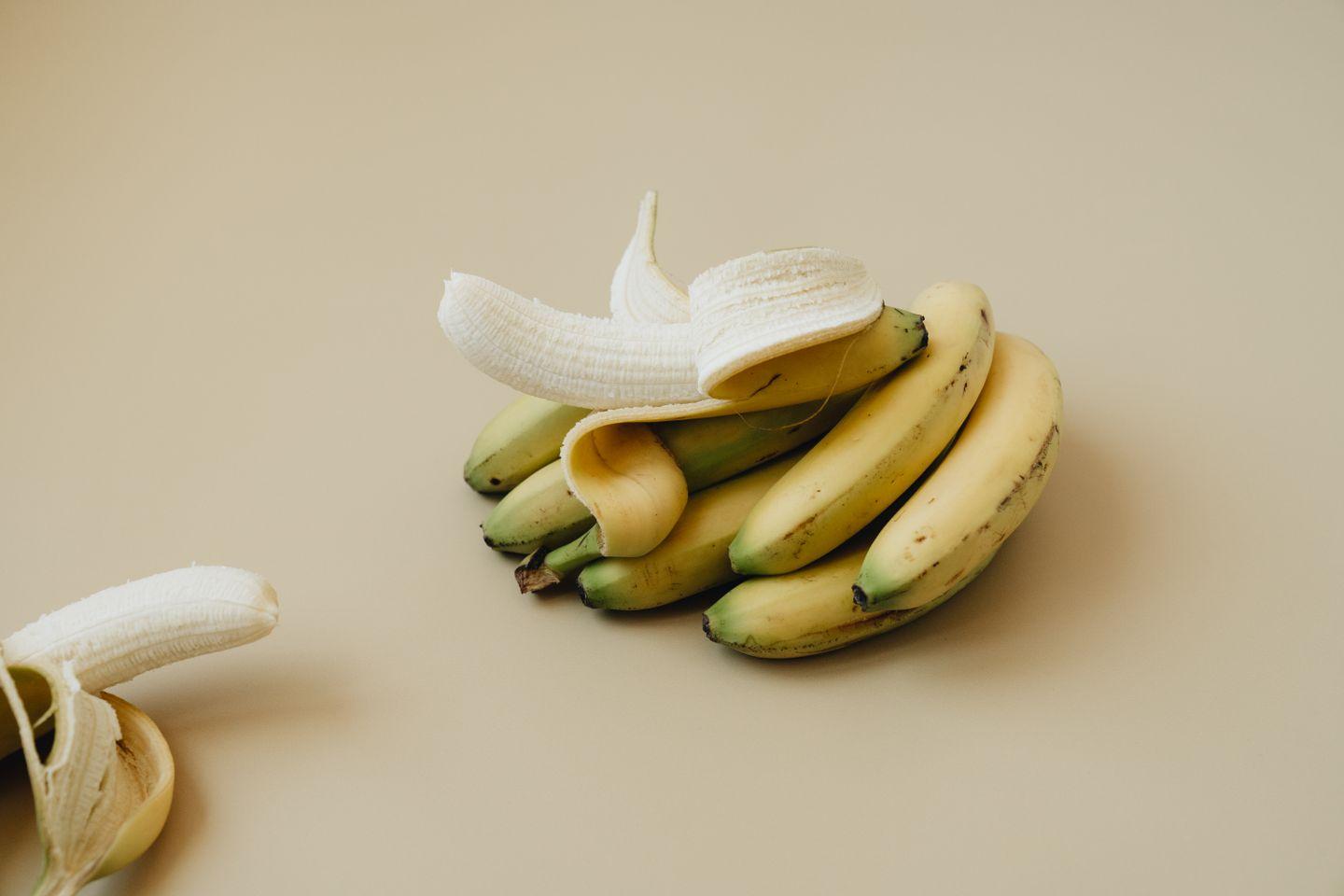
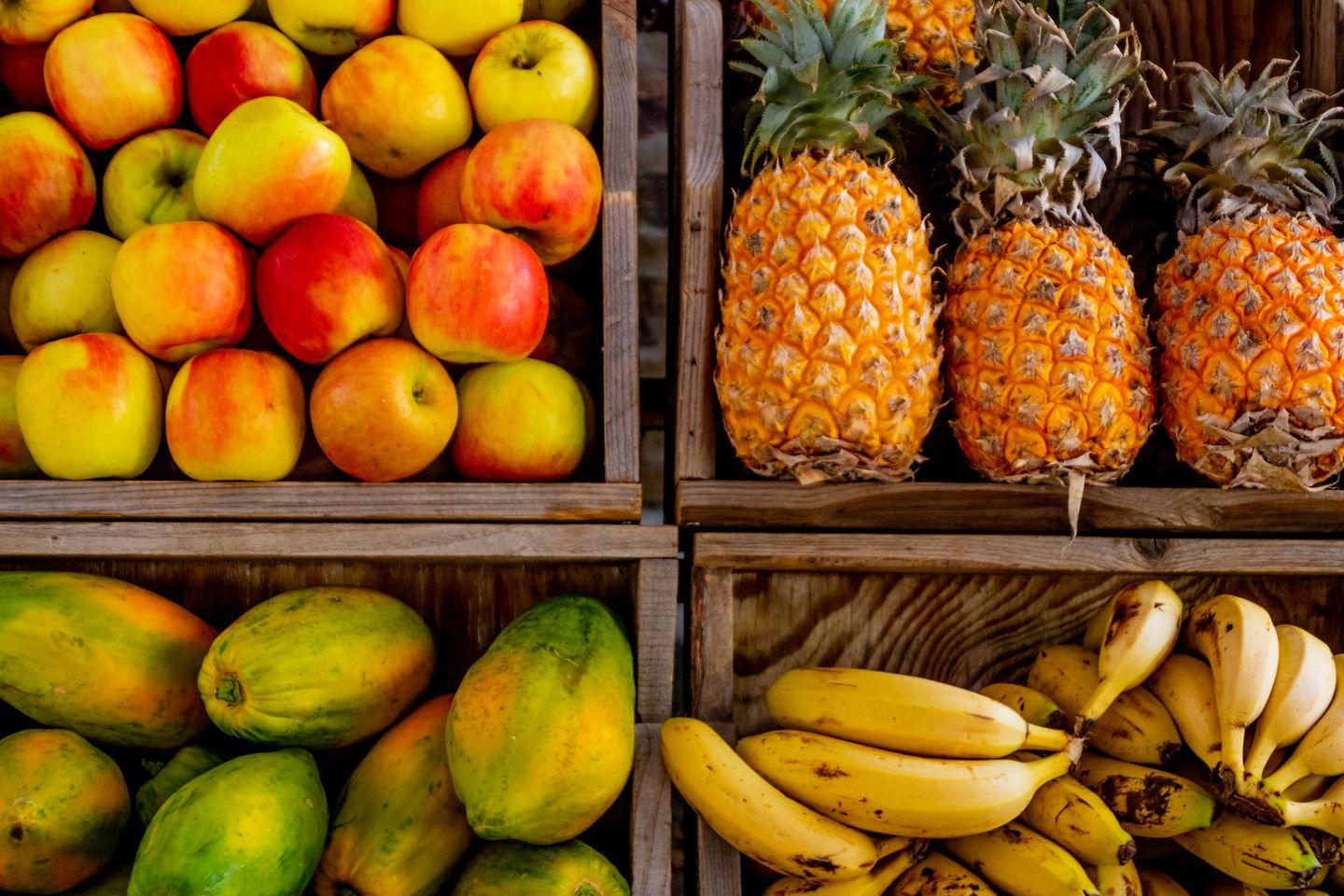
Banana is energy-dense and contains natural sugars, so it should be offered only as a very small occasional treat, not a daily food. Rabbits may readily accept sweet foods and then eat less…
Guava is a common Indian fruit and may be offered as a very small, occasional treat if the rabbit is healthy and already accustomed to fresh foods. Its natural sugars mean it should not be…