Commercial Rat and Mouse Pellets: What Should a Complete Diet Contain?
A bowl of mixed grains may look generous, but variety is not the same as nutritional completeness. Pet rats and mice need a diet that supplies energy, amino acids, essential fatty acids,…
A bowl of mixed grains may look generous, but variety is not the same as nutritional completeness. Pet rats and mice need a diet that supplies energy, amino acids, essential fatty acids, vitamins and minerals in reliable proportions. A species-appropriate formulated pellet or block is usually the most dependable foundation.
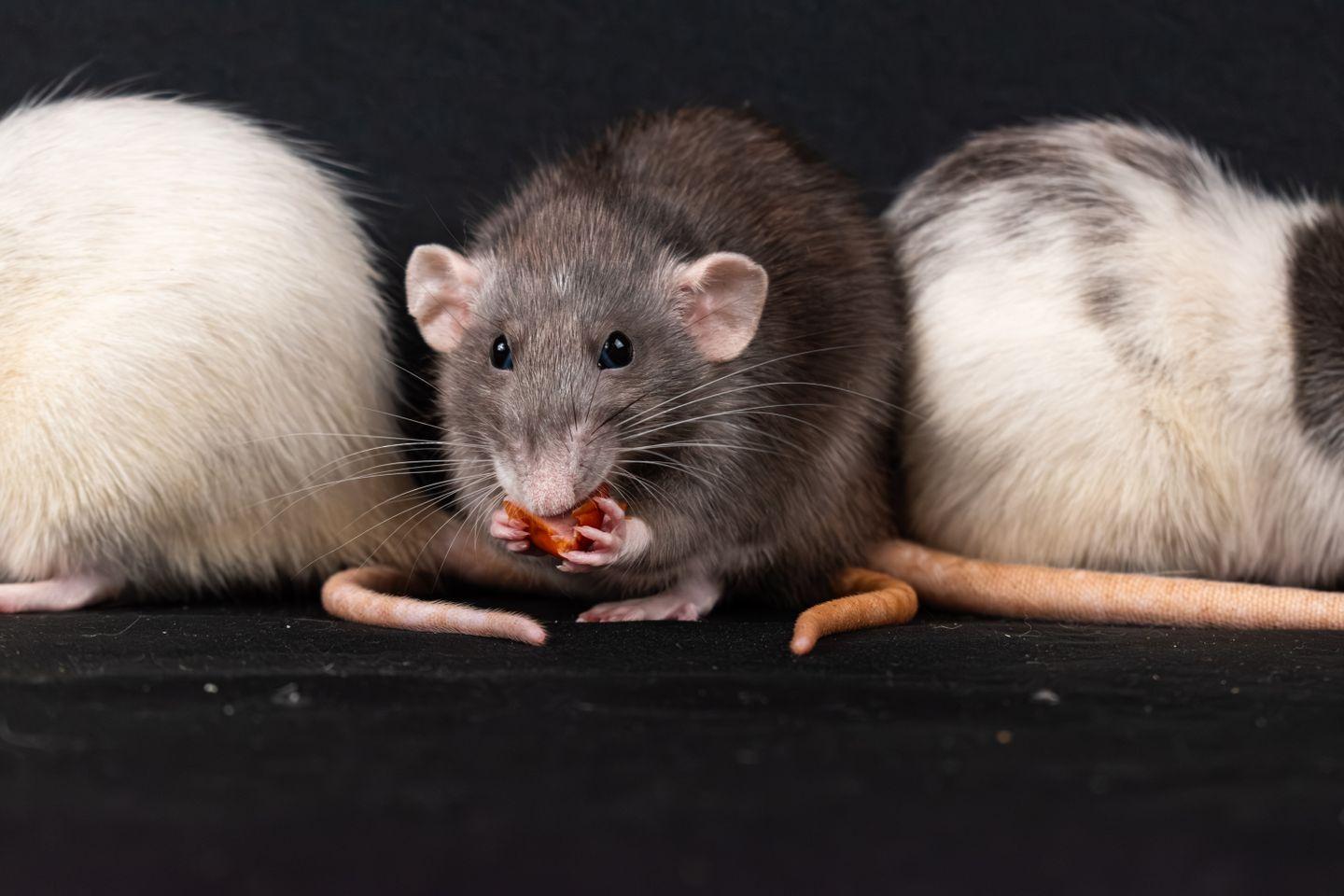
Rats and mice are omnivorous, but their ability to eat many foods does not mean every combination is balanced. Seed-heavy mixes encourage selective feeding: an animal may pick out sunflower seeds or other energy-dense pieces and leave behind the less attractive components. Over time, this can produce an uneven nutrient intake and excess calorie consumption.
Choose a product clearly formulated for rats or mice, rather than assuming that a feed for rabbits, guinea pigs, hamsters or birds is interchangeable. Check the intended species and life stage, feeding directions, batch details, expiry date and storage instructions. A laboratory rodent diet may be nutritionally balanced for its intended purpose, but some formulations are energy-dense and may not suit unrestricted feeding of a less active pet. Portion size and body condition therefore matter.
Fresh vegetables and small amounts of suitable fruit can add variety, moisture and enrichment. They should complement, not replace, the formulated base. Introduce new foods gradually and remove uneaten fresh food before it spoils.
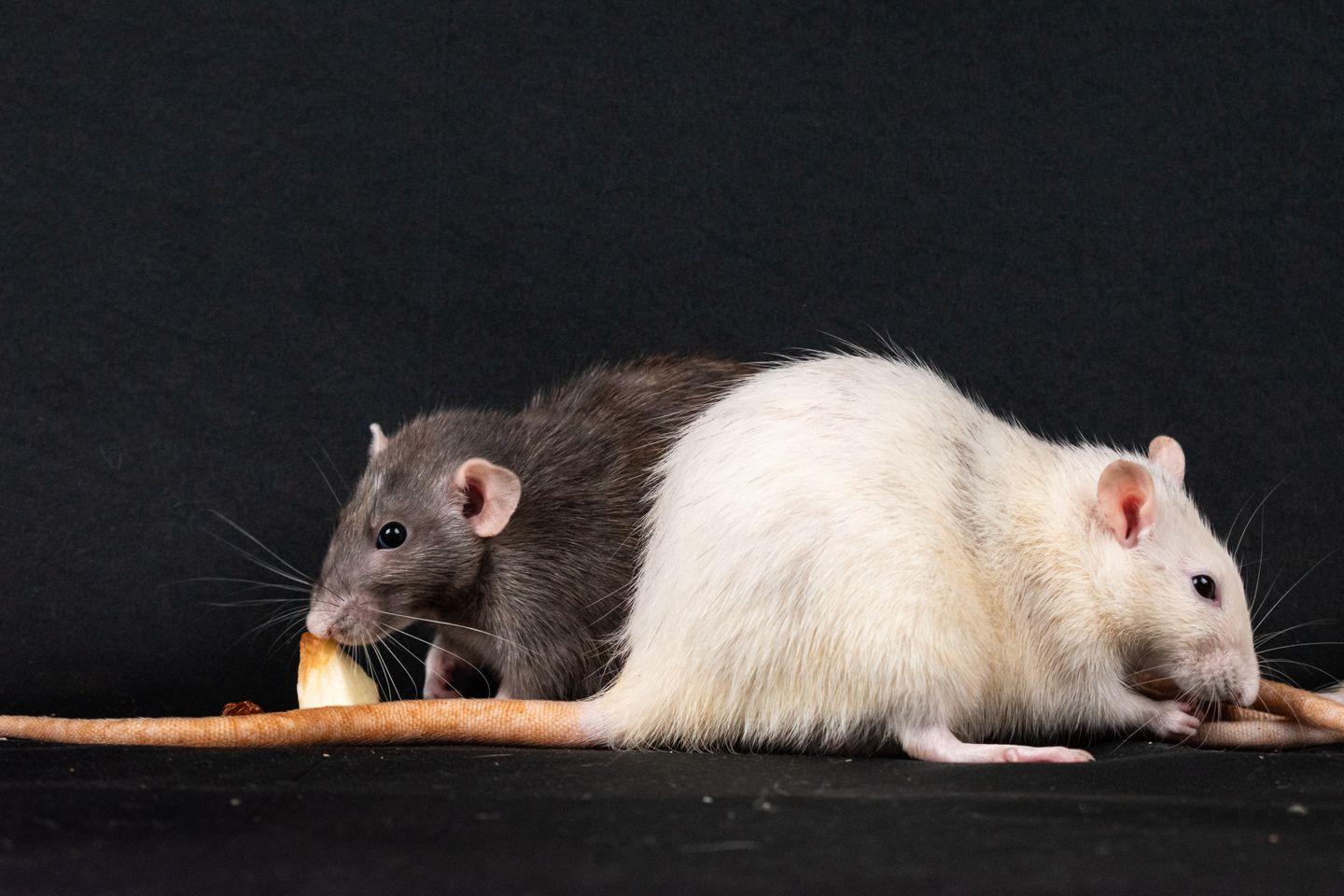
Rats and mice are not identical in size, intake or practical feeding needs. Mice require much smaller portions, and food access should be arranged so that cage-mates are not excluded. Growing, pregnant, nursing, elderly or unwell animals may need individual advice.
The practical lesson is simple: start with a suitable complete food, monitor body condition and use extras thoughtfully. A homemade mixture of grains, pulses and seeds should not be called complete unless it has been professionally formulated and nutritionally assessed.
References
Merck Veterinary Manual, “Mice and Rats as Pets” (2026).
RSPCA Knowledgebase, “What should I feed my rats?” (2024).
RSPCA Knowledgebase, “What should I feed my mice?” (2024).
Fibre is often discussed in connection with rabbits and guinea pigs, where a high-fibre forage diet is central to health. Rats and mice have different digestive strategies. They need dietary…
Calcium, phosphorus and vitamins support bones, teeth, nerves, muscles, metabolism and many other functions. Rats and mice need these nutrients in appropriate amounts and proportions. Adding…
Rats and mice are omnivores. In natural settings they may consume insects and other animal material, but this does not mean pet owners should build a diet around meat, eggs or feeder…