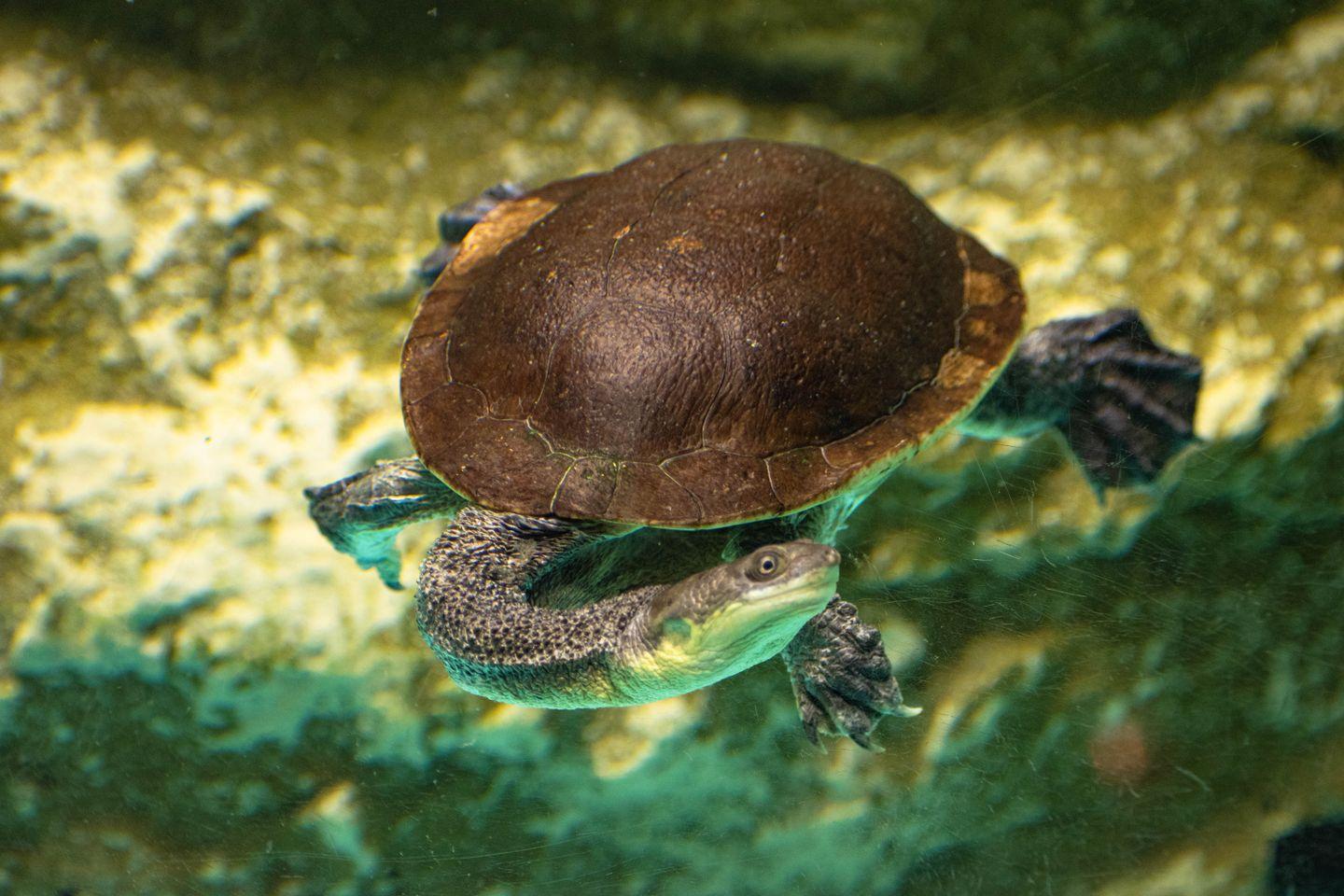
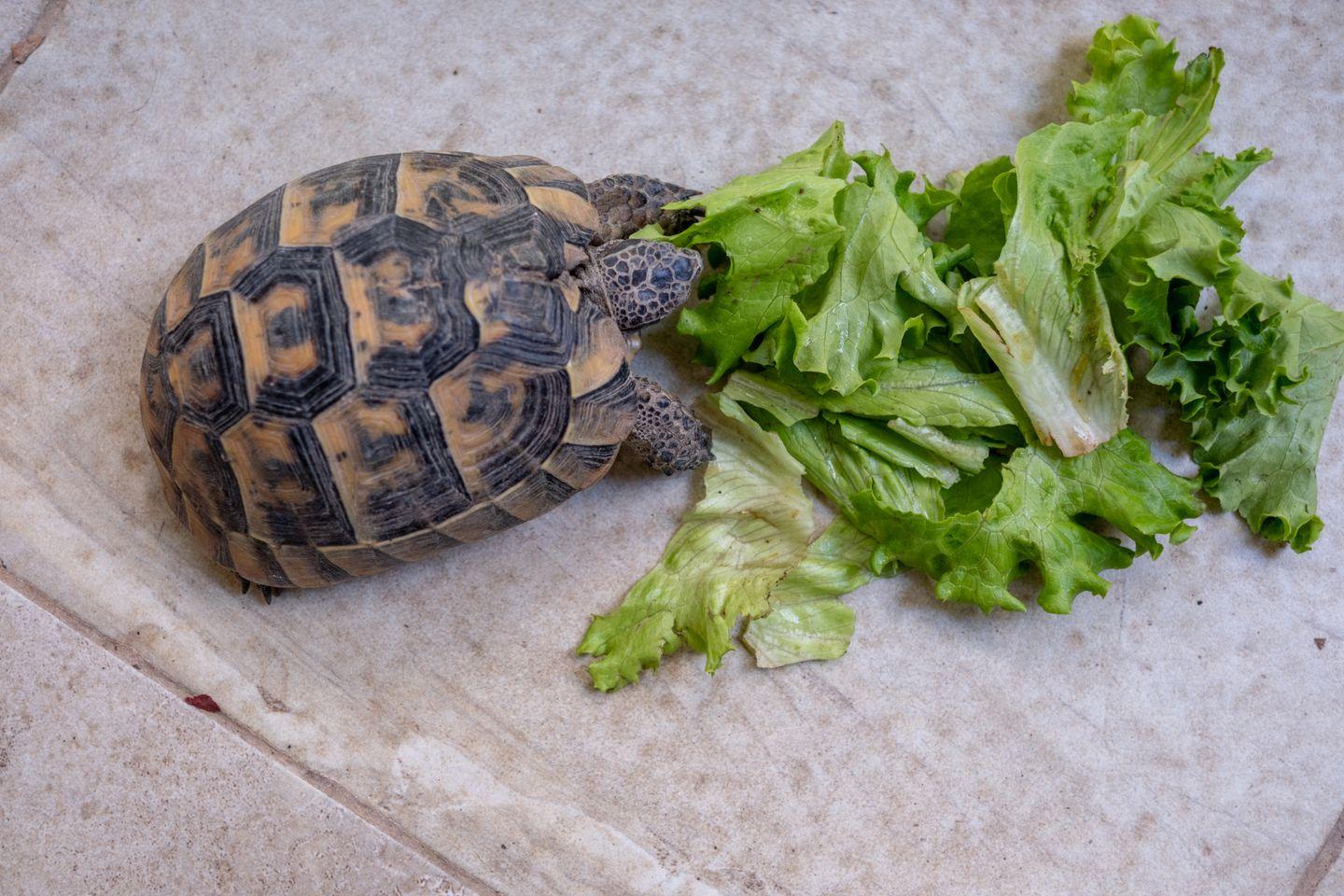
Bloodworms are midge larvae sold live, frozen or freeze-dried. Some aquatic turtles may accept them, but they are a treat or one food component, not a complete diet. Buy from a reputable…
Bloodworms are midge larvae sold live, frozen or freeze-dried. Some aquatic turtles may accept them, but they are a treat or one food component, not a complete diet. Buy from a reputable supplier and follow safe thawing and hygiene practices. Do not leave thawed food at room temperature or refreeze it. Bloodworms are not suitable for herbivorous tortoises. Feeding must be based on the turtle species, age and natural diet.
References
MSD Veterinary Manual, “Nutrition in Turtles” (reviewed September 2025; last updated July 2026); MSD Veterinary Manual, “Nutrition in Reptiles” (reviewed September 2025; last updated October 2025); MSD Veterinary Manual, “Management and Husbandry of Reptiles”.
Evidence note: General veterinary references do not establish an ingredient-specific safe quantity for every chelonian species. Feeding recommendations must be checked against the exact species, life stage and health status.
Vitamin A is important for epithelial tissues, vision and immune function. Aquatic turtles fed nutritionally inadequate diets can develop hypovitaminosis A, but swollen eyelids or eye…
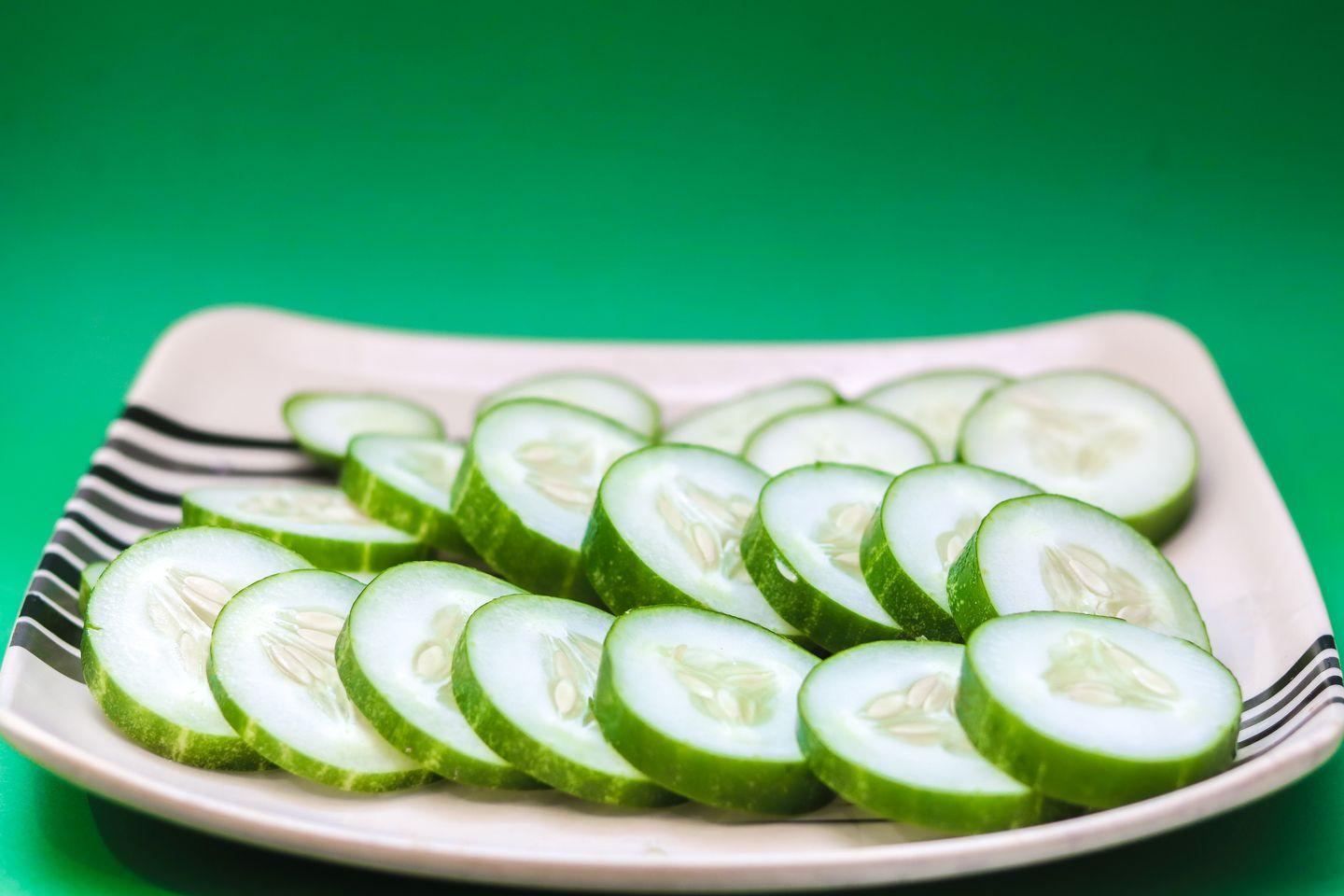
Cucumber is high in water and low in fibre and should not become a staple for herbivorous tortoises. A diet dominated by watery vegetables can displace more suitable forage. If appropriate…
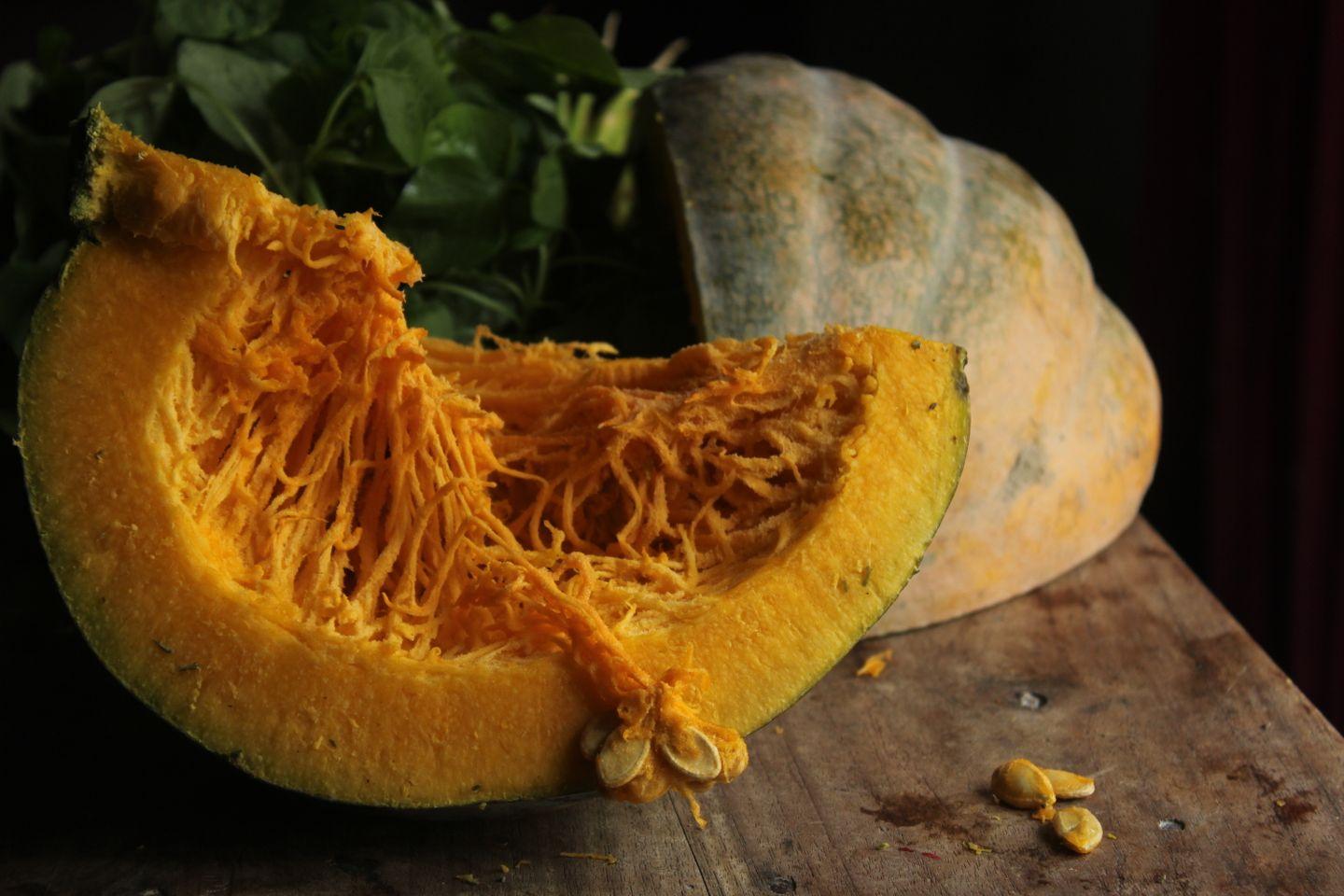
Pumpkin flesh is not a staple for grazing tortoises, which generally need a high-fibre diet based on suitable weeds, leaves and grasses. Some omnivorous aquatic turtles may accept small…