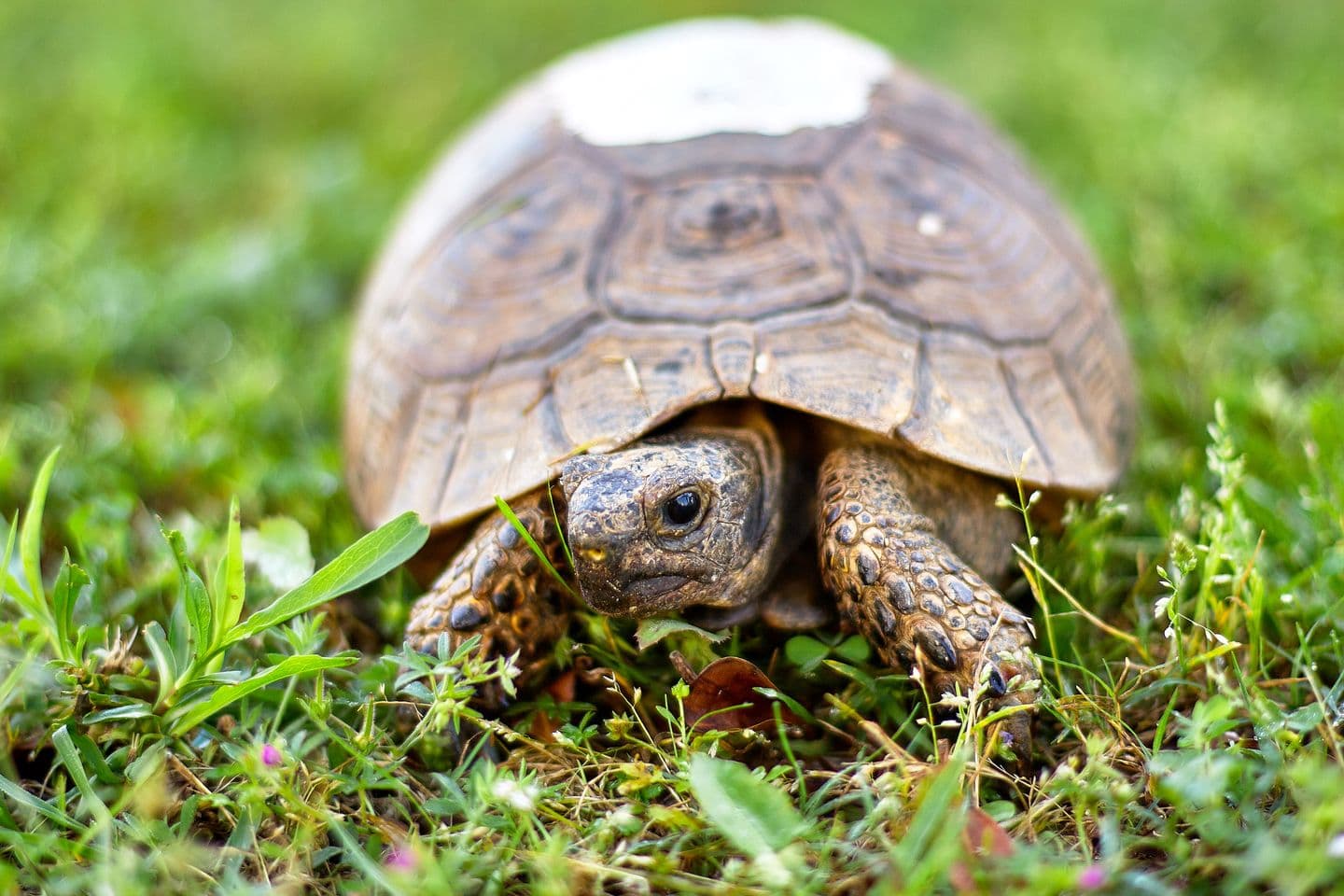
Dandelion leaves can be part of a varied forage diet for many herbivorous tortoises, but plant identification and source quality matter. Gather only correctly identified plants from areas…
Dandelion leaves can be part of a varied forage diet for many herbivorous tortoises, but plant identification and source quality matter. Gather only correctly identified plants from areas free of pesticides, traffic pollution, drains and animal waste. Wash them and rotate with other suitable weeds, grasses and leaves. Nutrient composition varies with plant maturity and growing conditions. Dandelion should not be the sole food, and advice for grazing tortoises should not automatically be applied to tropical forest tortoises or aquatic turtles.
References
MSD Veterinary Manual, “Nutrition in Tortoises” (reviewed September 2025; last updated July 2026); MSD Veterinary Manual, “Nutrition in Reptiles” (reviewed September 2025; last updated October 2025).
Evidence note: General veterinary references do not establish an ingredient-specific safe quantity for every chelonian species. Feeding recommendations must be checked against the exact species, life stage and health status.
Mulberry leaves may be used as browse for some herbivorous tortoises. Harvest from trees not exposed to pesticides, roadside pollution or industrial contaminants. Wash the leaves and offer…
Grape leaves may be offered as occasional browse to some herbivorous tortoises when the plant is correctly identified and free of chemical treatment. Wash them and include only as one…
Dandelion flowers may be offered occasionally to some grazing tortoises when correctly identified and collected from chemical-free areas. They should not replace leaves, grasses and other…