
Life With Pets / Getting Started
When Should You Change Your Vet?
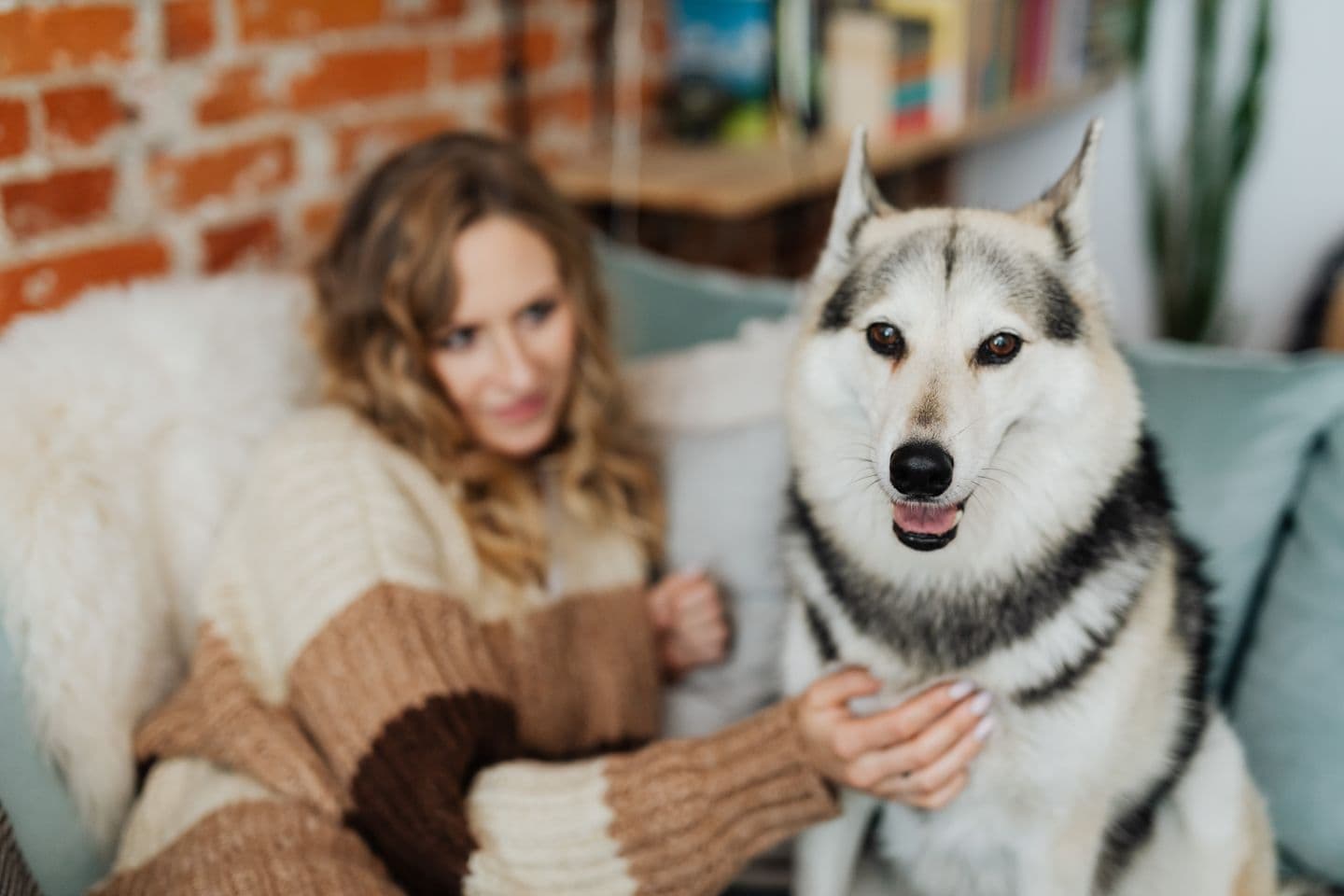
Our pets are family, and most of us place real trust in our vet when it comes to their health. Even so, there are warning signs worth watching for.
4 min read
Life With Pets / Getting Started
The moment you decide to travel with your dog in India, you discover a strange contradiction. Airlines, trains and cabs technically allow pets, yet almost nobody explains clearly how any of it works u
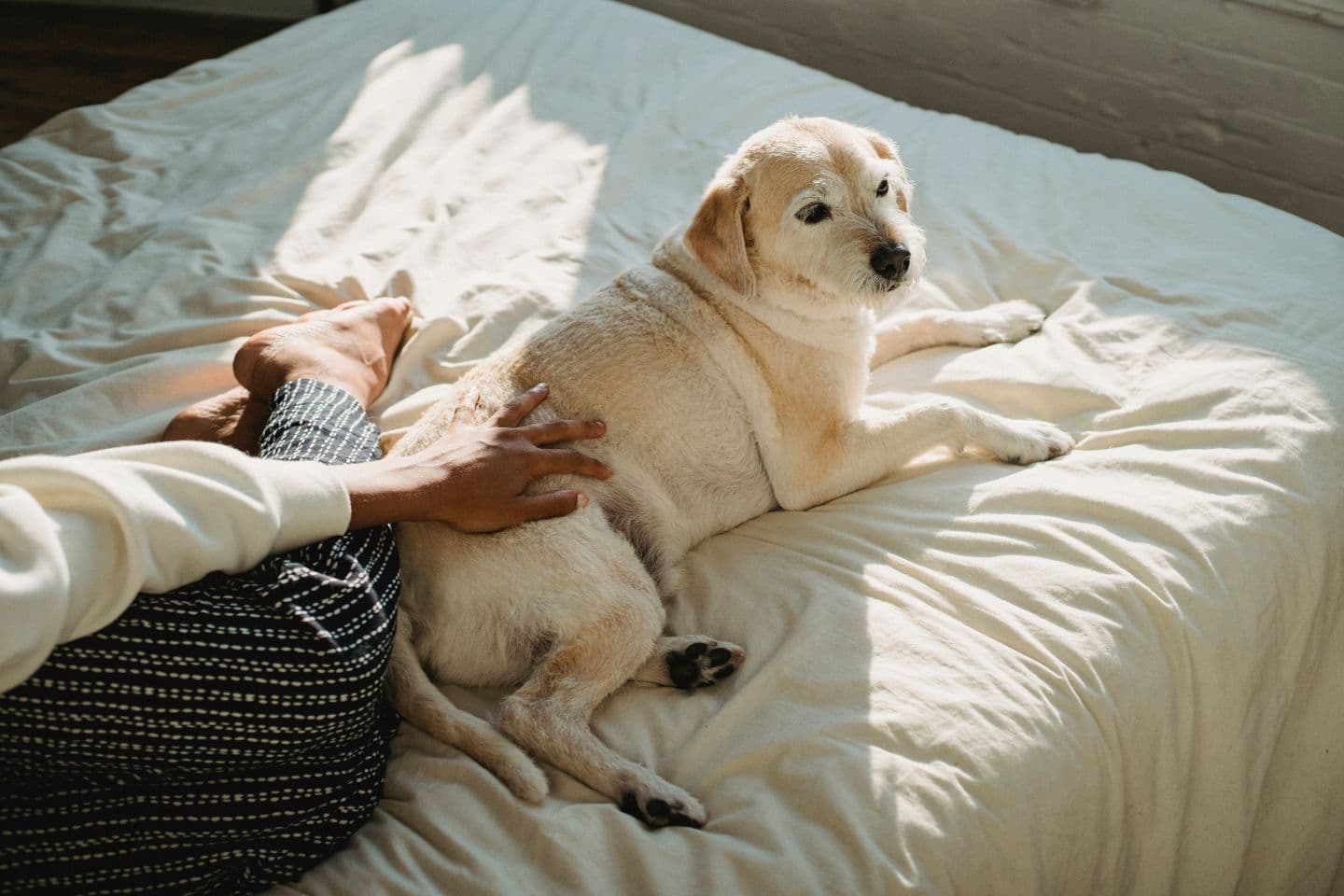
The moment you decide to travel with your dog in India, you discover a strange contradiction. Airlines, trains and cabs technically allow pets, yet almost nobody explains clearly how any of it works until you are standing at a counter, ticket in hand, dog in a carrier, being asked to wait. This guide pulls together what actually matters across the four modes of transport most Indian pet parents rely on.
Indian Railways is, on paper, pet-friendly, but the fine print matters. Pets are permitted only in First AC coupes or cabins, and only if you book the entire compartment under one PNR, so there are no shared berths with strangers who might object. Sleeper, Second AC and Third AC are off limits entirely. If you do not book a full First AC cabin, the alternative is the brake van, where your pet travels separately from you as registered luggage, far from ideal for a nervous first-time traveller.
Domestic flights are more of a mixed bag. Some carriers now allow small dogs, generally under ten kilograms including the carrier, to travel in the cabin, while others carry pets only as cargo in the hold. Cargo travel is riskier, particularly for short-nosed breeds like pugs and bulldogs, who are more prone to breathing difficulties under stress and altitude changes. Always confirm your specific airline's current pet policy directly before booking, since these rules shift and vary considerably between carriers, and a policy that applied on your last trip may not hold today.
For most Indian pet parents, the car remains the least complicated option, particularly for city to city trips. The essentials do not change much across geographies, though they are worth repeating because they are so often skipped in the rush to leave:
That last point about parked cars deserves emphasis on its own. Indian summers turn a car's interior into an oven within minutes, and this single mistake causes more pet emergencies every year than almost any other travel-related cause, even on days that do not feel especially hot outside.
Local transport within cities is patchier still. Most Indian metro systems do not allow pets except trained service animals, and city bus rules vary by state transport authority, so it is worth checking your specific city's policy rather than assuming a blanket rule applies nationally. Autorickshaws and app-based cabs are usually the most practical short-distance option, though it is worth checking with the driver before the ride begins rather than after your dog is already in the vehicle, since a refusal midway through a booking is a genuinely awkward situation to be in.
The common thread across every mode of transport in India is preparation. A fitness certificate from your vet, updated vaccination records, a comfortable and well-ventilated carrier, and a realistic sense of how your particular pet handles stress will save you more trouble than any last-minute research at the station or airport counter. Travelling with a pet in India is entirely possible. It is simply not something you improvise.
Article content © Ravi Teja. All rights reserved.
Life With Pets / Getting Started
Our pets are family, and most of us place real trust in our vet when it comes to their health. Even so, there are warning signs worth watching for.
4 min read
Life With Pets / Breeds
A Labrador and an Indie of the same weight can need completely different collar sizes. Online pet stores in India rarely make that obvious until the wrong parcel arrives.
3 min read
Life With Pets / Getting Started
Most of us love our pets fiercely, and we want to do right by them. The trouble is, a lot of the advice that gets handed down through families, friends and social media was never actually checked by a
5 min read