
Life With Pets / Getting Started
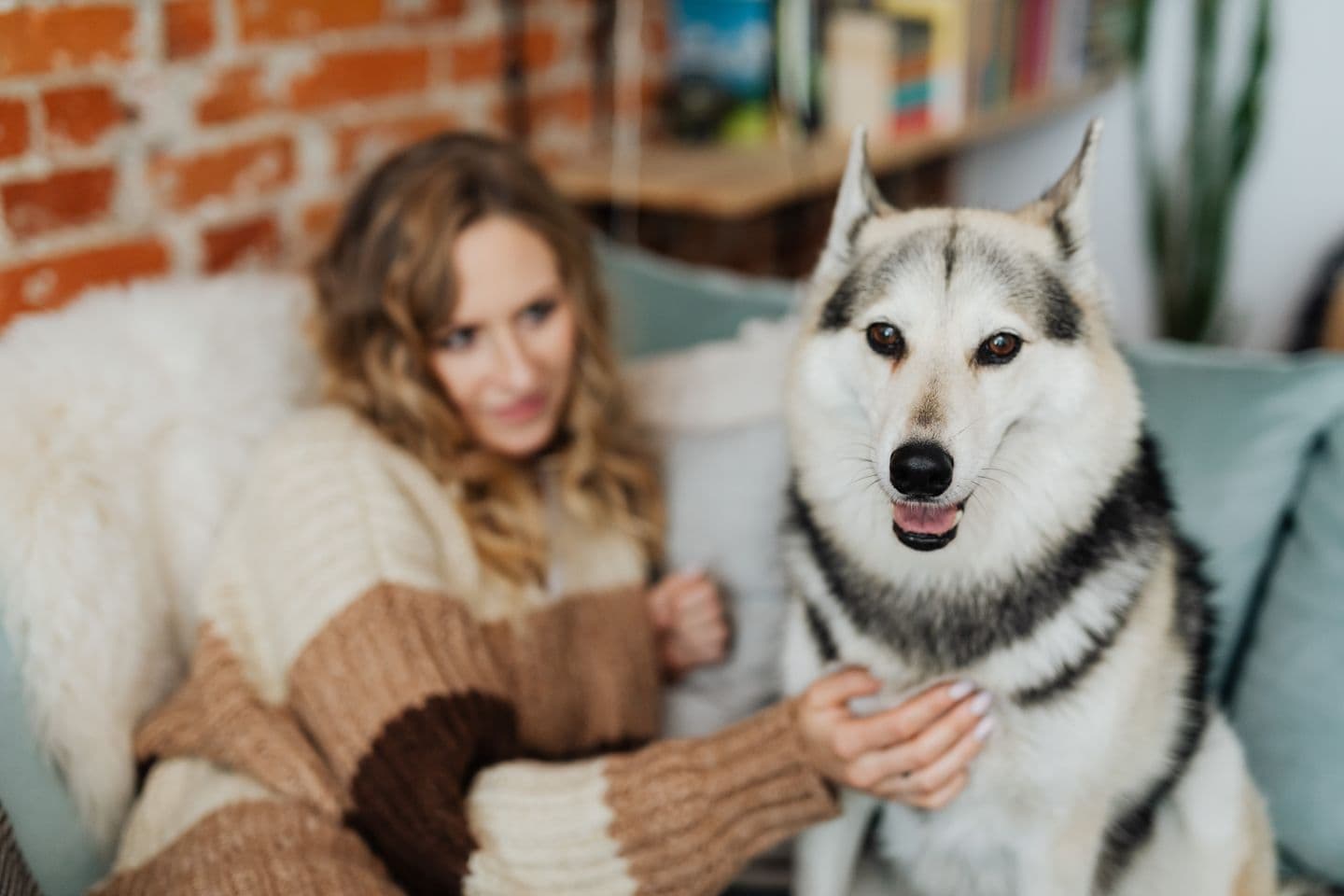
When Should You Change Your Vet?
Our pets are family, and most of us place real trust in our vet when it comes to their health. Even so, there are warning signs worth watching for.
4 min read
Life With Pets / Getting Started
There is a particular kind of exhaustion that comes from being a new dog's only point of contact for absolutely everything: feeding, walking, training, emergencies, entertainment. It is unsustainable,
There is a particular kind of exhaustion that comes from being a new dog's only point of contact for absolutely everything: feeding, walking, training, emergencies, entertainment. It is unsustainable, and pretending otherwise is how burnout creeps in within the first few months. Building a support circle before you need it is one of the more underrated pieces of advice in new pet ownership.
Your veterinarian should be the anchor of this circle, not just someone you see when something goes wrong. A good vet, one who knows your dog's history, temperament and quirks, can offer preventive guidance long before a crisis. Ask your vet directly whether they handle after-hours emergencies or can refer you to one who does, and save that number somewhere you will not have to search for it in a panic, ideally in your phone and pinned somewhere visible at home too.
A trainer is the second pillar, and this is often skipped by first-time owners who assume they can manage training entirely through online videos. Look for a trainer who uses positive reinforcement methods, ask about their experience with your dog's breed or temperament, and consider group classes if socialisation is also a priority, since they double as an opportunity for your dog to interact safely with others.
Beyond the professionals, build a human network. Indian housing societies increasingly have informal pet parent groups precisely for this reason, and joining one early, even before you need help, pays off enormously later. A working circle typically includes:
It is easy to forget that you need support too. Adjusting to a new dog is a genuine life change, closer in disruption to a new family member than most people expect going in. Having people around who understand what you are navigating, whether fellow pet owners or simply patient friends, makes the transition considerably easier, and it also gives you somewhere to vent on the harder days without feeling like you are complaining about a decision you chose to make.
The households that seem to glide through the early months with a new dog are rarely the ones with the most resources. They are usually the ones who built a circle early: a vet they trust, a trainer they can call, neighbours who do not mind an occasional favour, and the humility to ask before things become unmanageable.
Article content © Ravi Teja. All rights reserved.
Life With Pets / Getting Started
Our pets are family, and most of us place real trust in our vet when it comes to their health. Even so, there are warning signs worth watching for.
4 min read
Life With Pets / Breeds
A Labrador and an Indie of the same weight can need completely different collar sizes. Online pet stores in India rarely make that obvious until the wrong parcel arrives.
3 min read
Life With Pets / Getting Started
Most of us love our pets fiercely, and we want to do right by them. The trouble is, a lot of the advice that gets handed down through families, friends and social media was never actually checked by a
5 min read